

Editor’s note — This article contains discussion of suicide. If you or someone you know needs help, you can reach America’s National Suicide and Crisis Lifeline by calling or texting 988. You can also chat online at 988lifeline.org.
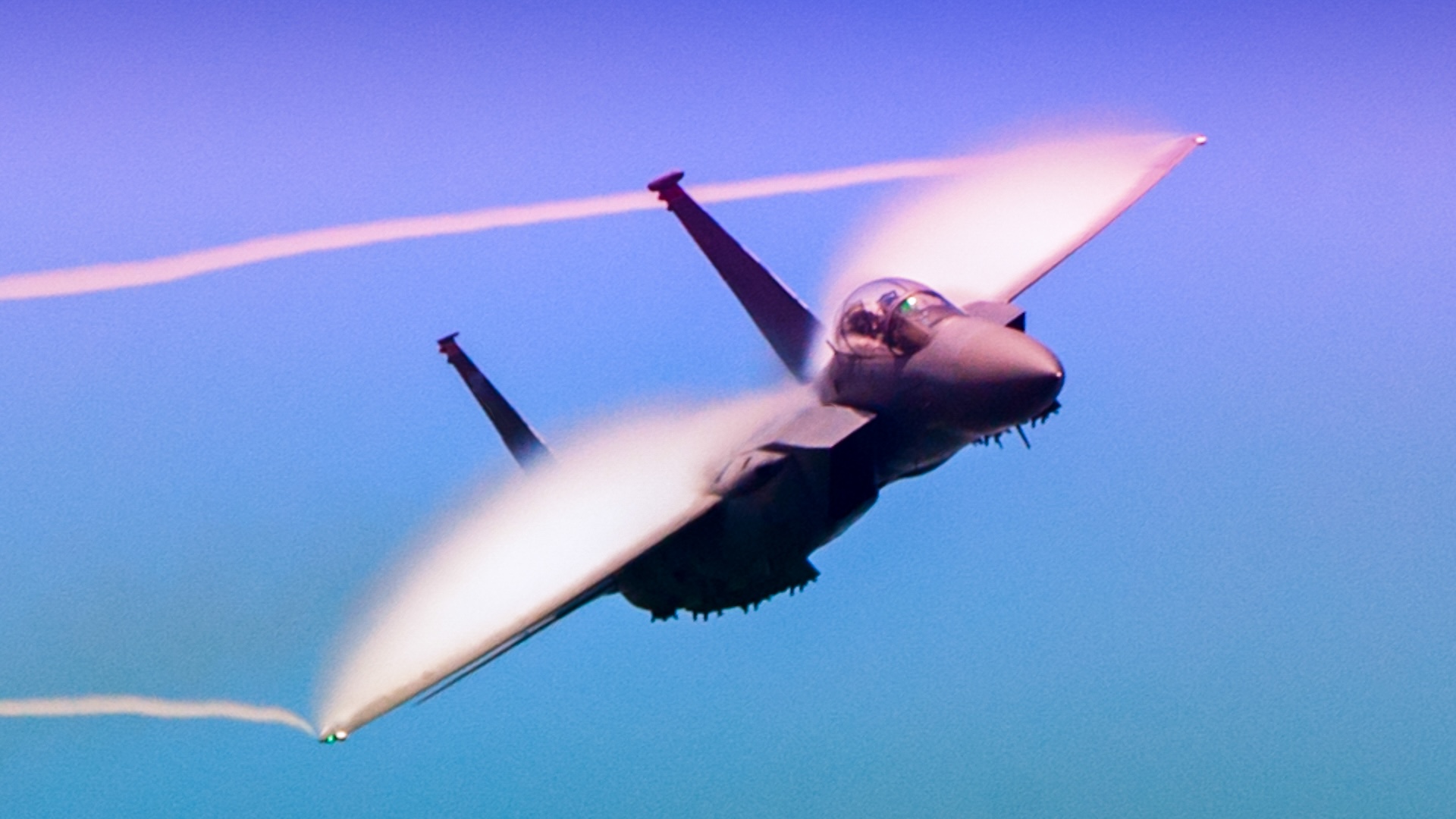
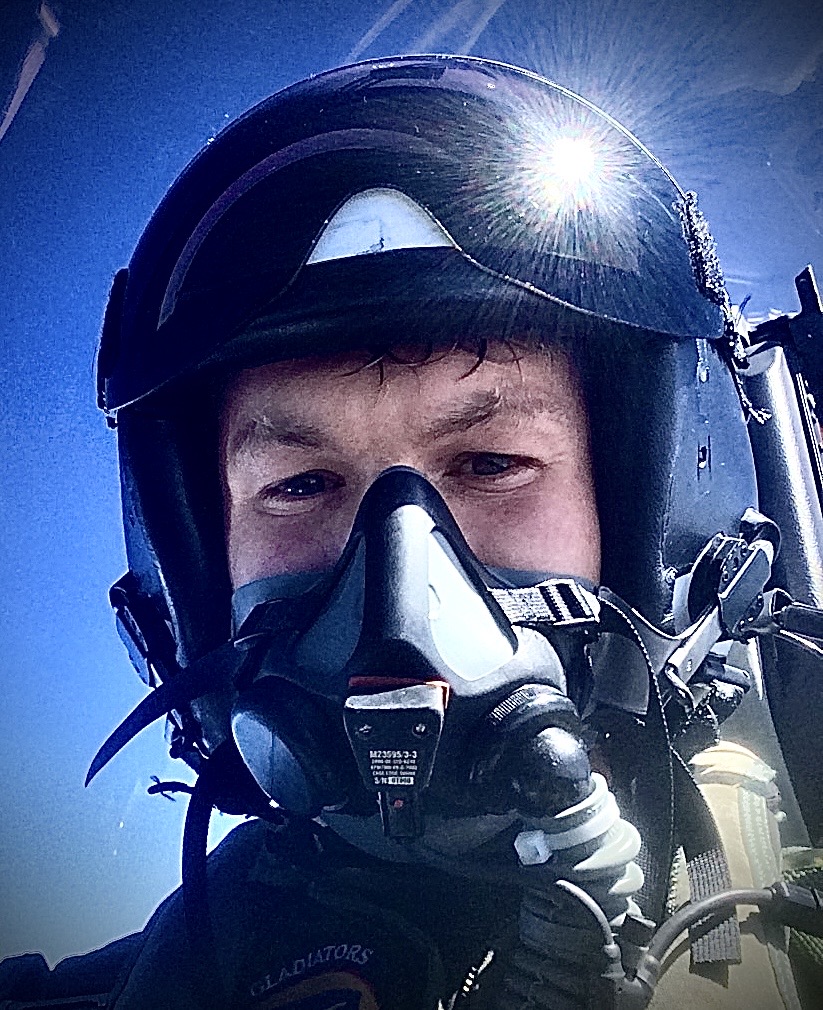
In 2014, Navy fighter pilot Keegan “Smurf” Gill was piloting an F/A-18 Super Hornet after a fatal malfunction caused the plane to plummet at 695 miles per hour (1,118 kilometers per hour). He escaped seconds before impact and survived with severe trauma, including broken limbs, a shattered neck, and severe brain damage.
you may like
Eventually, he was diagnosed with delayed-onset post-traumatic stress disorder (PTSD), which “hit his flying career like a warhead.” As his flying career came to an end, he lost his sense of purpose and felt intense shame at having let down everyone who had believed in him. He even considered suicide.
Gill continued to take medication, but then “life really spiraled out of control.” He spent 40 days and nights locked up in a Department of Veterans Affairs inpatient psychiatric facility. “When I came out, I was a broken man in a drug-induced stupor,” Gill said.
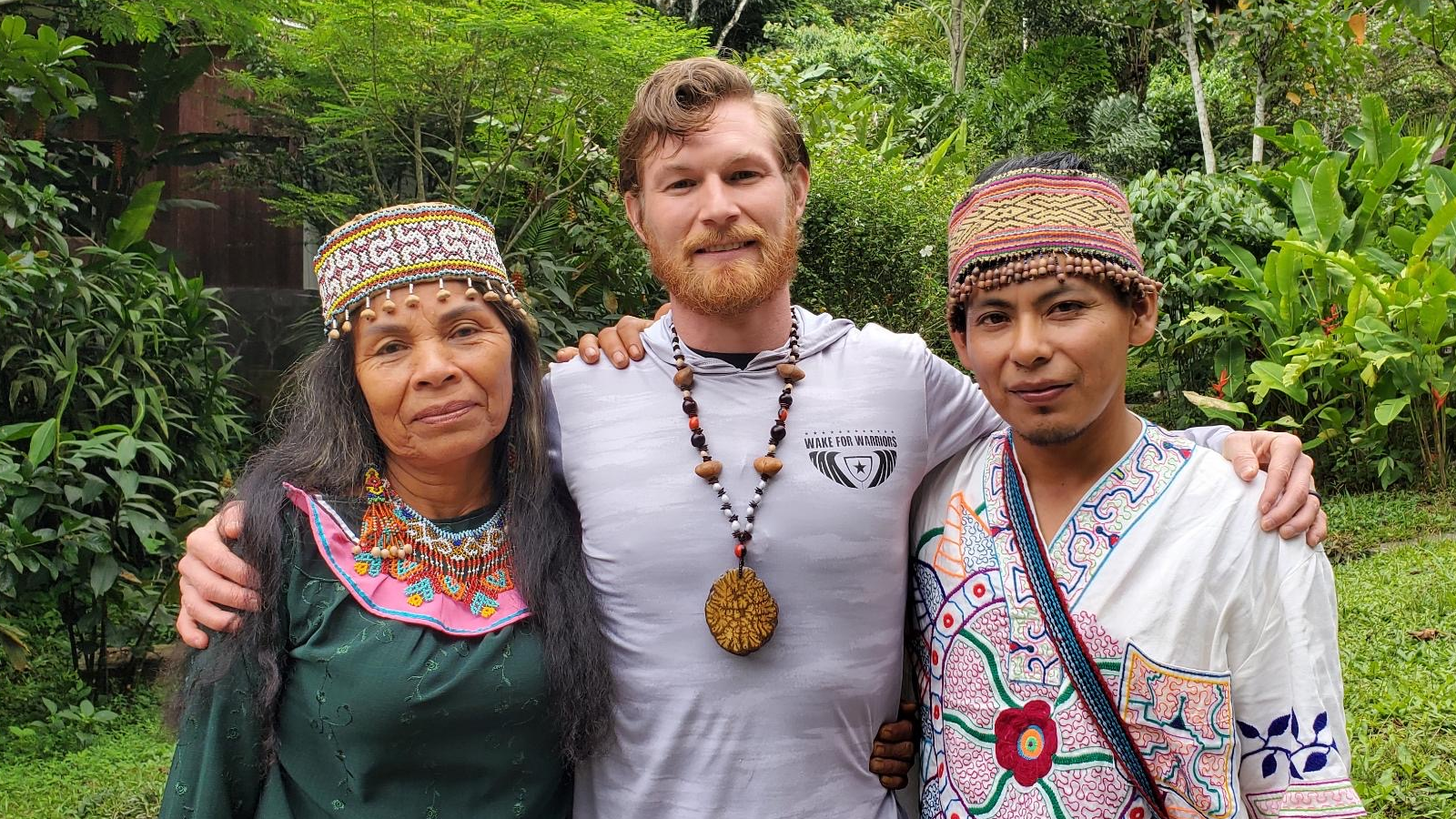
But this is not the end of his story. He connected with the Heroic Hearts Project (HHP), a nonprofit organization that connects veterans with supervised psychedelic therapy overseas, and in Peru, Gil received treatment with the psychedelic ayahuasca. He believes this experience set him on the path to healing.
HHP has hosted more than 1,100 veterans and veteran spouses through retreat programs aimed at reducing or eliminating PTSD symptoms and improving participants’ quality of life. Most of the retreats involve ayahuasca, a psychoactive beer traditionally used by indigenous communities in the Amazon. Ayahuasca is classified as a Schedule I controlled substance in the United States, so these retreats are held in countries where the ritual is legal.
However, although there is a lot of anecdotal evidence of the purported efficacy of this psychedelic drug, research into its effectiveness lags behind other psychedelic drugs such as MDMA and psilocybin. Only a few small studies have investigated ayahuasca for PTSD, and they were not randomized, placebo-controlled clinical trials, the gold standard for showing a drug’s effectiveness. This makes it difficult to distinguish whether ayahuasca reduces PTSD symptoms or whether other factors, such as therapy or the retreat environment, may help resolve PTSD symptoms.
To further complicate matters, the ayahuasca botanical brew contains two main components: the psychoactive substances DMT (N,N-dimethyltryptamine) and beta-carboline. Concentrations of these ingredients vary from batch to batch, making it difficult to create standardized and repeatable doses needed for rigorous clinical trials. In contrast, MDMA and psilocybin are single molecules that can be synthesized and packaged as pure, consistent, and standardized tablets or capsules, making them much easier to use in research settings. Pharmaceutical companies also face challenges in trying to secure patents for ayahuasca, reducing economic incentives for the large private investments needed for large-scale clinical trials.
you may like
“Because this is a botanical preparation, it probably won’t be a treatment in the traditional sense in the United States,” clinical psychologist Gregory Fonzo, co-director of the Charmaine and Gordon McGill Center for Psychedelic Research and Treatment at the Dell School of Medicine at the University of Texas at Austin, told Live Science.
Measuring impact
Still, some researchers are trying to measure the drug’s effect on PTSD symptoms. HHP’s research department designed and conducted an observational study that followed 58 veterans. Between 2021 and 2024, 45 people attended an ayahuasca retreat and 13 people attended a psilocybin retreat.
Scientists tracked changes in participants’ mental health before and after a psychedelic experience. Results showed that participants in both groups had an average reduction in depression symptoms of 29% and PTSD symptoms of 26%, along with improvements in anxiety, sleep, mental health and quality of life.
“We only looked at veterans who met the criteria for suffering from PTSD, and more than 80% of them no longer met those criteria,” HHP principal investigator, neuroscientist Grace Brest Hopley, told Live Science.
To investigate further, Fonzo is currently working with HHP to lead a study examining the brain responses of veterans with PTSD and how they change after ayahuasca treatment.
Researchers in Texas are collecting a variety of brain imaging data, clinical data, blood measurements, and electroencephalogram (EEG) recordings from veterans before and after attending an ayahuasca retreat. EEG data provides a way to identify objective biological markers of PTSD. Scientists aim to recruit 40 participants for the study, which will likely take another year to complete, Fonzo said.
complex concoction
In the HHP observational study, both the ayahuasca and psilocybin groups showed symptom reduction after treatment, but the ayahuasca group appeared to be slightly more effective. However, the researchers cautioned that the study was not designed to directly compare treatments.
Fonzo believes both compounds work in a two-step process. In the first stage, psychedelics disrupt the psychological patterns that people are trapped in, effectively “shaking the snow globe.” The second stage is characterized by enhanced neuroplasticity, the ability to form new connections between neurons. This second stage may last several weeks. “This creates an opportunity for people to gather and integrate insights and rewire their brains in ways that better serve their mental health,” Fonzo said.
To achieve this effect, both psilocybin and DMT, the main active moieties in ayahuasca, activate serotonin 2A receptors in the brain. But ayahuasca brews also contain beta-carbolines, which increase levels of serotonin and norepinephrine, important mood chemicals in the body and brain. Fonzo said the DMT in ayahuasca also has unique targets, such as the sigma-1 receptor, and has broader and more complex effects on brain chemistry than psilocybin.
Still, ayahuasca research is in its early stages, and it’s difficult to tease out how other aspects of the retreat experience affect the drug’s effectiveness, Fonzo said.
For example, HHP retreats focus on processing and integrating psychedelic experiences, including therapy, community support, and lifestyle changes. “If we just take the medication and we come out without making any changes and continue our lives as normal, our brains will just go back to the way they were before,” Brest-Hopley theorized.
Gil agreed. He feels that ayahuasca shattered the darkness he was living in and changed his core. But after he focused on sleep, nutrition, exercise, connecting with nature and his community, and meditation, he began to recover. Now writing a book about his experiences as an ultra-endurance athlete, motivational speaker, and coach, Gill says he hopes to inspire others facing seemingly insurmountable challenges.
“I was able to regenerate myself from within,” Gill said. “I am now able to be the father, husband, son and friend I was meant to be.”
Source link
