

With relatively little fanfare, the first-ever global carbon tax was scheduled to be formally adopted as an international agreement this year.
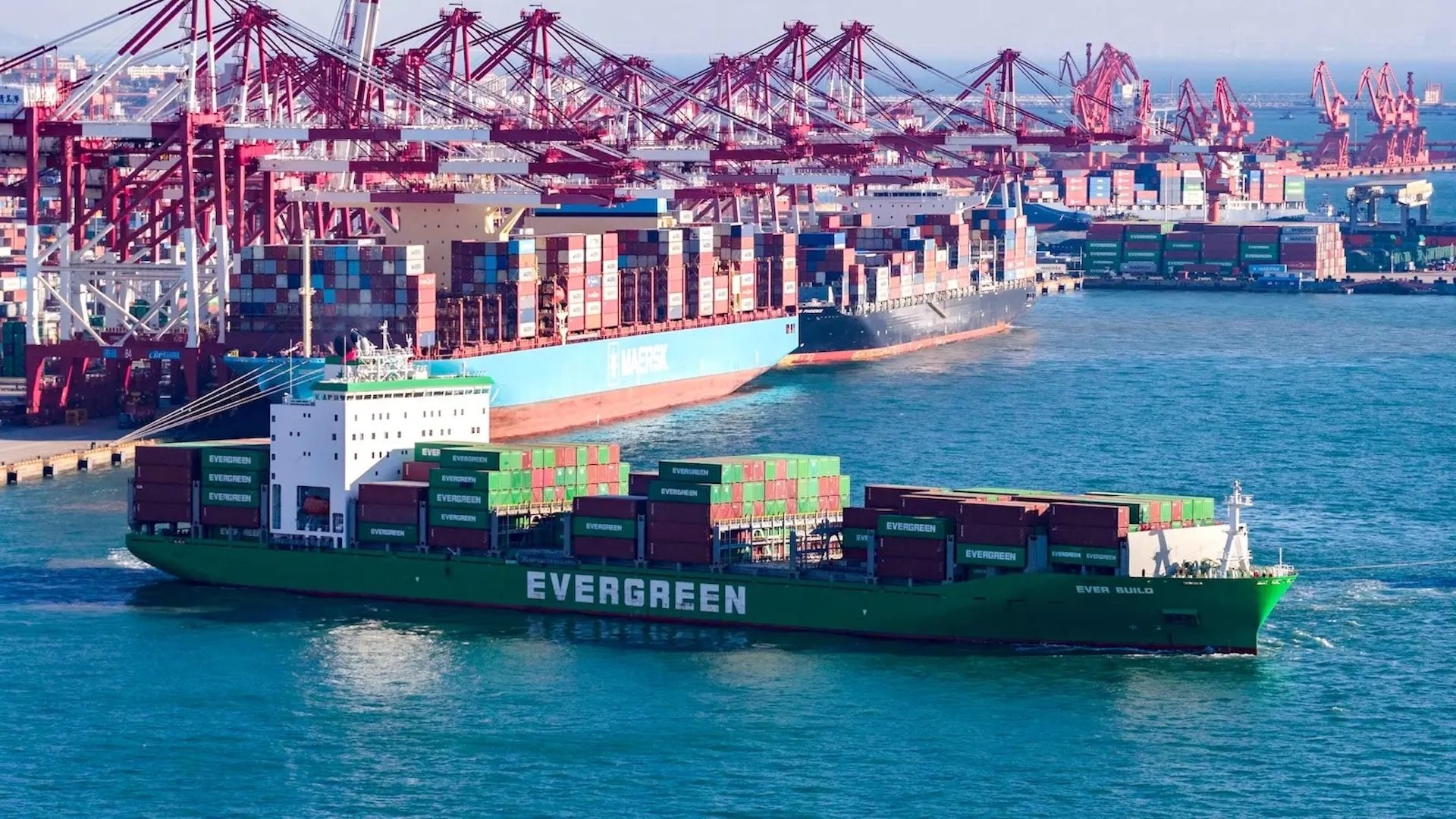
The International Maritime Organization (IMO), the United Nations agency that oversees global shipping, had drafted a net-zero framework to shift the industry to cleaner fuels. This is an important step in the energy transition, as the industry, which handles around 90% of global trade, is responsible for 3% of global emissions.
you may like
Then, in April, the Trump administration suddenly withdrew from IMO negotiations. As a vote on the framework approached this month, the administration began pressuring other countries to abandon the agreement. The administration also issued a statement warning that the United States is considering additional tariffs, visa restrictions, additional port fees and sanctions on officials from countries that voted in favor of the framework. President Trump himself agreed with Truth Social, calling the proposal “a global green new fraud tax on shipping.”
The campaign was a success. Last week, in the final stages of negotiations, Saudi Arabia suddenly called for a vote to postpone the IMO meeting for a year without making a decision on the net-zero framework. IMO rules state that a call for a postponement precedes all other considerations, so the proposed postponement was immediately put to a vote, with 57 countries in favor and 49 against. (Twenty-one countries abstained from voting.) That means it will be at least another year before the framework is formally included.
Sources who have been closely following the IMO’s decarbonization efforts told Grist that U.S. obstruction was a decisive factor in preventing adoption of the framework.
“It’s fair to say that the retaliatory measures and punitive threats shared by the US government ahead of the meeting played a role,” said Em Fenton, senior director at UK-based climate change group Opportunity Green, which has been closely following the IMO negotiations. “Last week’s results are a devastating blow to climate multilateralism.”
The IMO has been taking steps toward emissions regulations for several years, but efforts began in earnest in 2023 when 176 member countries agreed to a greenhouse gas strategy that commits to net-zero emissions by around 2050. To achieve that goal, countries have begun negotiating legally binding measures, including cap standards for the carbon intensity of fuels used by shipping companies and economic measures to enforce those standards. Levy or carbon trading mechanism.
Opinions from each country were divided regarding economic measures. An ambitious coalition of more than 64 countries, including the European Union, the United Kingdom, the Pacific and Caribbean and African countries, has proposed a relatively high flat tax on all ocean emissions. According to their proposal, each tonne of greenhouse gas emissions would be priced at the same level across the board. But other countries, led by China, supported a carbon trading mechanism that would allow countries to offset their emissions through carbon credits. (China and other emerging countries are large exporters, they argued, and flat fees would hurt companies and make them less competitive.)
In the end, countries reached a compromise with a two-tier system. This means that countries with high emissions in the top tier can participate in some amount of carbon trading. Companies at the bottom of the tier would pay a levy based on a fee per tonne of emissions. And companies that comply with zero or near-zero emissions fuel requirements will receive financial rewards. This approach became the net-zero framework that was due to be voted into effect this year.
you may like
The shipping industry generally welcomed the framework. First, the industry has seen record profits in recent years. Opportunity Green’s report reveals that the world’s 139 largest shipping companies, representing more than 90% of the world’s fleet, made $340 billion in profits from 2019 to 2023. On average, the 10 largest companies are effectively taxed less than 10%, much lower than the global average corporate tax rate of 21.5%.
The industry also wanted regulatory certainty. Ahead of last week’s meeting, trade associations representing the shipping industry issued a statement calling for the framework to be adopted. “Only global rules can decarbonize global industry,” they pointed out. “Without this framework, the shipping industry risks a growing patchwork of unilateral regulations that will increase costs without effectively contributing to decarbonisation.”
The framework is in jeopardy, and the path forward is unclear. Mr Fenton said maritime talks would not resume for another year, but countries needed further technical clarification at other interim meetings to reach an agreement and ensure the framework was adopted next year.
Meanwhile, cities and ports around the world are working to green their infrastructure. Alisa Crains, director of the Ports and Shipping Program at C40, a global network of mayors working on climate action, pointed to a range of initiatives already in place to reduce carbon emissions from the shipping industry. Cities are building green transportation corridors. This is a trade route where ports and other partners work together to transition to zero or near-zero emission fuels. Ports have also begun enacting stricter emissions standards for trucks and supporting the development of offshore wind power.
“Our response is that despite what happened at the IMO last week, cities continue to deliver on a just ocean transition,” Crains said. “Cities will continue to advance equitable ports and maritime decarbonization.”
But these measures do not have a major impact on the industry’s main source of emissions: the huge, fuel-guzzling ships that crisscross the world to deliver goods. And the collapse of IMO negotiations rings out as a warning about the fragility of international cooperation. This momentum could continue at COP30, the international climate conference to be held next month in Belem, Brazil.
“That kind of strategy of delay and obfuscation is more likely to be on the agenda and visible at COP30 than it would have been if it hadn’t been popularized here IMO,” Fenton said. “And that’s very unfortunate.”
This story was originally published by Grist. Sign up for Grist’s weekly newsletter here.
Source link
