

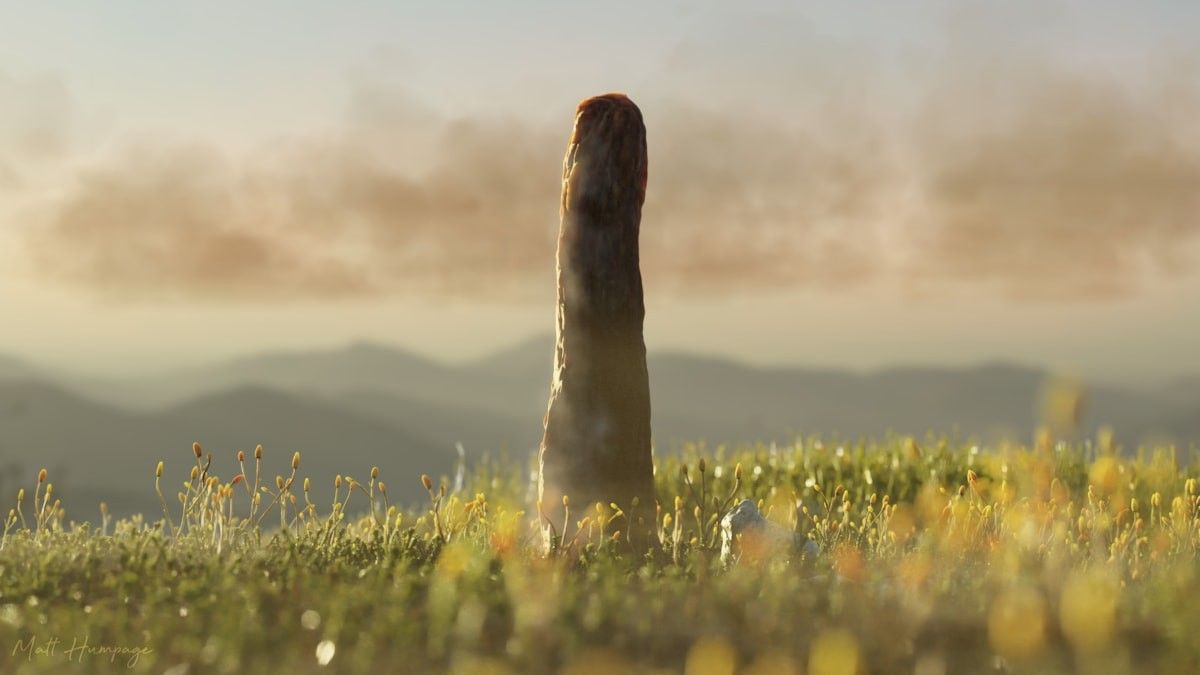
Scientists say this strange, ancient life form, believed to be the first giant creature to live on land, may belong to an entirely unknown branch of the tree of life.
These creatures were huge, with some species reaching 26 feet (8 meters) tall and 3 feet (1 meter) wide. Named prototaxites, they lived during the Devonian period, about 420 million to 375 million years ago, and resembled branchless, cylindrical tree trunks.
you may like
Now, a study published Wednesday (January 21) in the journal Science Advances suggests that prototaxites may not have been giant fungi after all — rather, they may have been an entirely different, previously unknown, and now extinct life form.
“They are life, but not as we currently know them, exhibiting different anatomical and chemical features from fungi and plants, and therefore belong to an evolutionary line of life that is completely extinct,” lead study co-author Sandy Hetherington, a research fellow at the National Museums of Scotland and a senior lecturer in the School of Biological Sciences at the University of Edinburgh, said in a statement.
All life on Earth is divided into three kingdoms: Bacteria, Archaea, and Eukaryotes, which include all multicellular organisms belonging to the four kingdoms of Fungi, Animals, Plants, and Protists. Bacteria and Archaea include only unicellular organisms.
Previous chemical analyzes of prototaxite fossils have shown that prototaxites likely fed on decaying microorganisms, like many modern-day fungi, rather than making their food from carbon dioxide in the air like plants do.
But this new study suggests that prototaxites may actually have been part of an entirely different kingdom of life, separate from fungi, plants, animals, and protists.
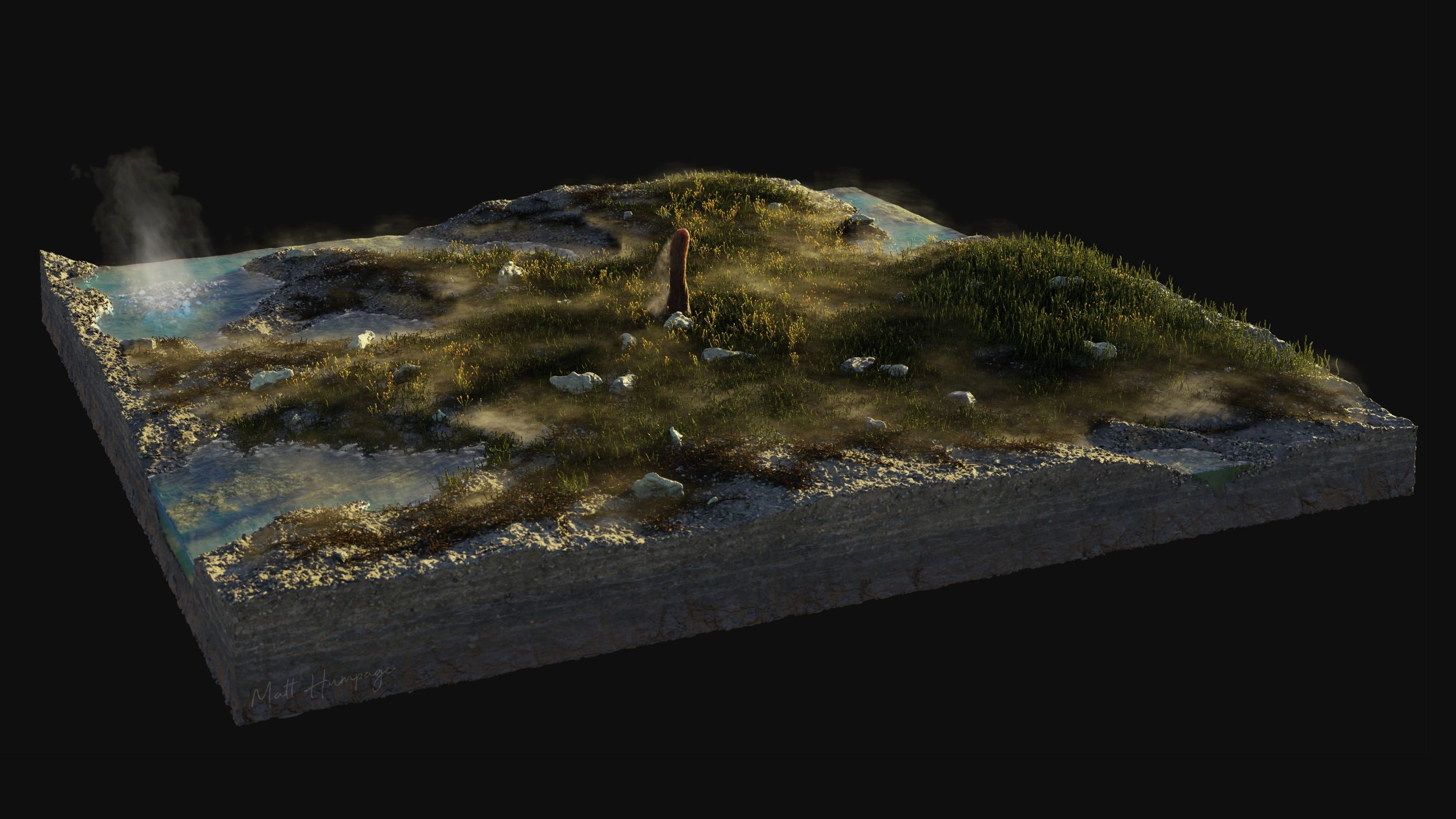
The researchers studied the fossilized remains of a species of the genus Prototaxytes, named Prototaxytes taiti, preserved in the Rhynie Chert, an exceptionally well-preserved fossil deposit of early land flora and fauna in Scotland. Although this species is much smaller than many other prototaxite species, growing to only a few inches in height, it is still the largest specimen of prototaxite found in the area.
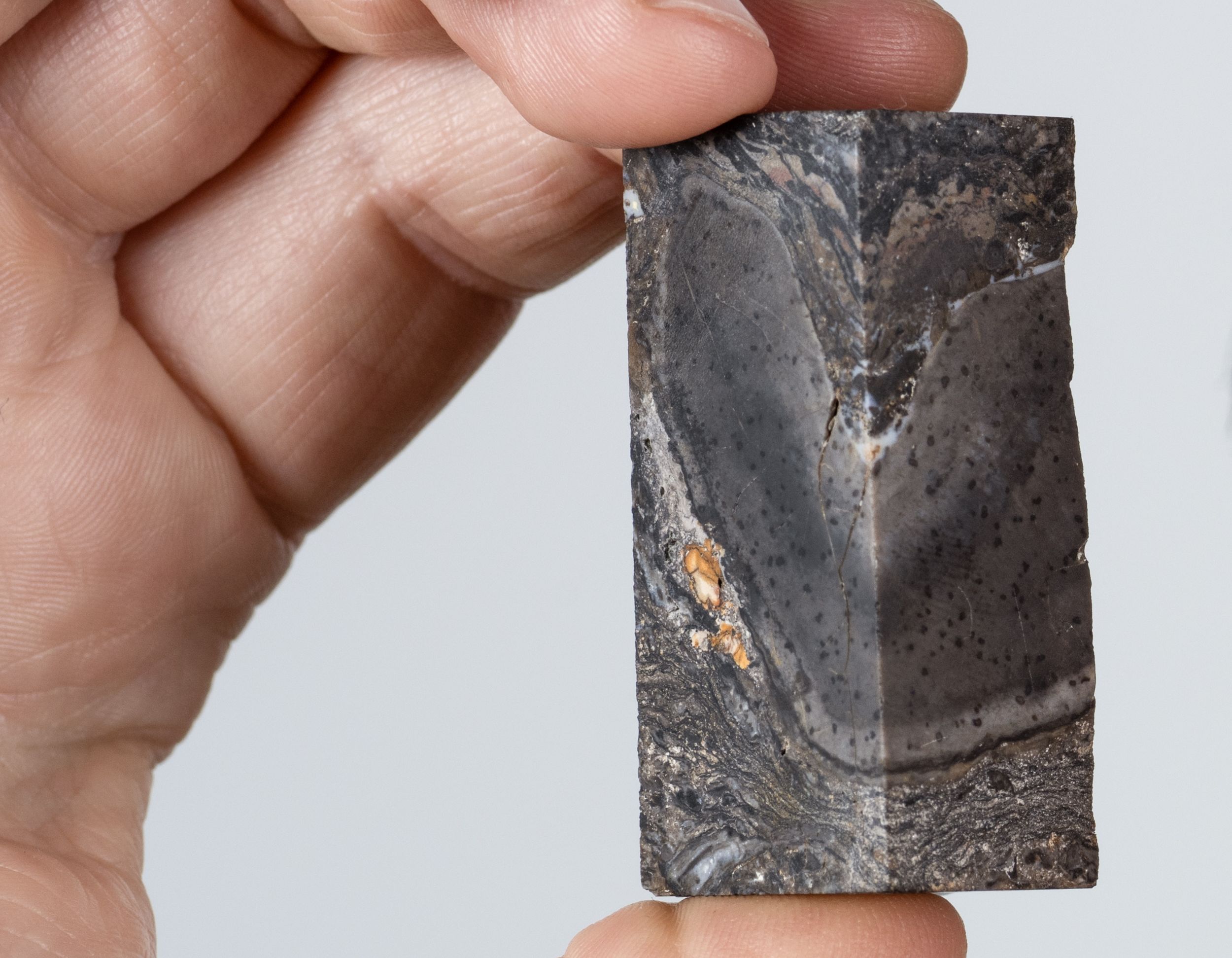
When researchers examined the internal structure of fossilized prototaxite, they found that its interior was made up of a series of tubes similar to those inside fungi. However, these tubes branched and reconnected in a very different way than seen in modern fungi.
you may like
“We report that Prototaxytes taiti fossils from 407-million-year-old Rhynie cherts were chemically distinct from contemporaneous fungi and structurally distinct from all known fungi,” the researchers wrote in their study. “This discovery calls into question the fungal tropism of prototaxites and suggests instead that this enigmatic organism is best assigned to a completely extinct eukaryotic lineage.”
True fungi from the same era are also preserved in Rhynie chert, allowing researchers to chemically compare them to prototaxites. In addition to their unique structural features, the researchers found that prototaxite fossils leave a completely different chemical signature than fungal fossils. This indicates that prototaxites do not contain chitin, a major component of fungal cell walls and a hallmark of the fungal kingdom.
Prototaxites fossils appear to contain chemicals similar to lignin, which is found in plant wood and bark.
Kevin Boyce, a professor at Stanford University who led a 2007 study that hypothesized that prototaxites were giant fungi, was not involved in the new study. However, he told New Scientist that he agreed with the study’s findings.
“Given the phylogenetic information we currently have, there is no better place to put prototaxites in the fungal phylogeny,” Boyce said. “So perhaps it’s a fungus, but whether it’s a fungus or something else entirely, it represents a new experiment with complex multicellularity that is now extinct and doesn’t share a common multicellular ancestor with anything living today.”
More research is needed on Prototaxytes fossils to determine whether they are fungi or an entirely different type of life, and what caused them to become extinct millions of years ago.
“The Rhynie chert is incredible. It is one of the world’s oldest fossilized terrestrial ecosystems, and its well-preserved nature and biodiversity allow us to pioneer new approaches, such as machine learning, on fossil molecular data,” study lead author Corantin Rolon, a researcher at the UK Center for Astrobiology at the University of Edinburgh, said in a statement. “Many other materials from the Rhynie chart are already in museum collections for comparative studies and can add important context to the scientific results.”
Editor’s note: This article was first published in March 2025 following research publication on the preprint server bioRxiv and updated on January 22 following peer-reviewed research publication.
Prototaxite fossils are structurally and chemically distinct from extinct and extant fungi. Science. Adv.12, eaec6277(2026).DOI:10.1126/sciadv.aec6277
Source link
