

This week’s science news was full of archaeological treasure discoveries, starting with the revelation that the cornerstone of a Czech garden shed was actually a Bronze Age spearhead mold.
This mold, carved in ancient volcanic rock and dated to approximately 1350 BC, is a remnant of an ancient urn culture. This culture is a Late Bronze Age culture in central Europe known for burying cremated dead in urns in the Carpathian Basin and surrounding areas. The production of uniform weapons using these types facilitated the continuation of armed conflict, while also strengthening the political and trade influence of the peoples of the region.
The Gulf Stream is running an AMOC

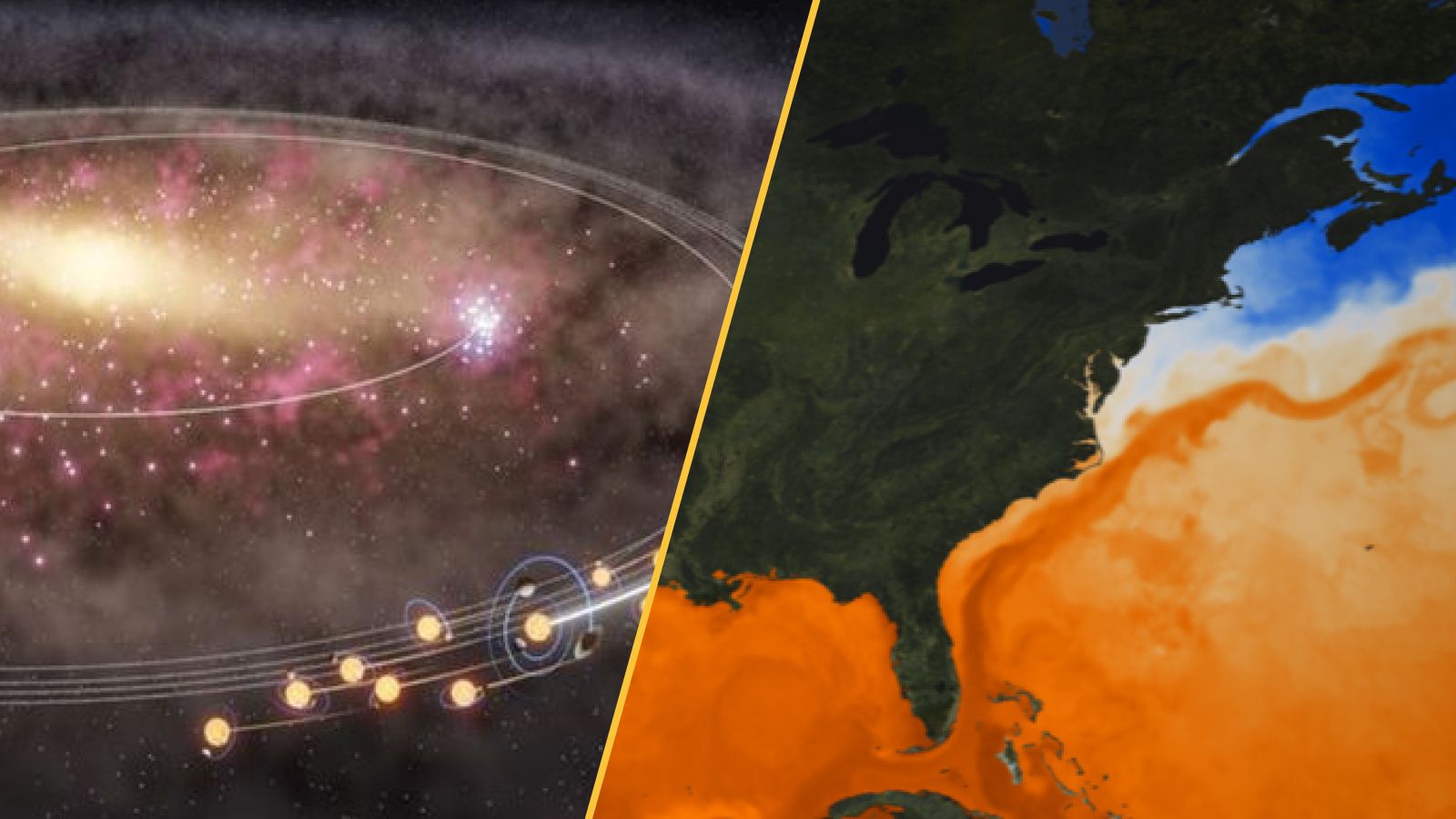
The Atlantic Meridional Circulation (AMOC) is the conveyor belt that brings Europe’s warm climate and transports carbon and nutrients around the world. But freshwater runoff from Greenland’s melting ice sheet is expected to sap the strength of this important ocean current, potentially even forcing it to collapse, although scientists have yet to find any direct signs that this is happening.
But that may have changed this week with news from a new modeling study showing a clear determinant of AMOC weakening: the Gulf Stream’s path deflecting further north along the U.S. coast. Troublingly, satellite data shows that this change may already have begun.
More Earth news
—California’s wildfire season is changing, with more fires occurring after traditional high-risk periods, study finds
—Congo Basin’s ‘blackwater’ lakes and rivers are now releasing ancient carbon into the atmosphere
— Gem-filled rivers and striped mountain ridges form a giant “Y” in China’s revitalized desert — Earth as seen from space
life’s little mysteries
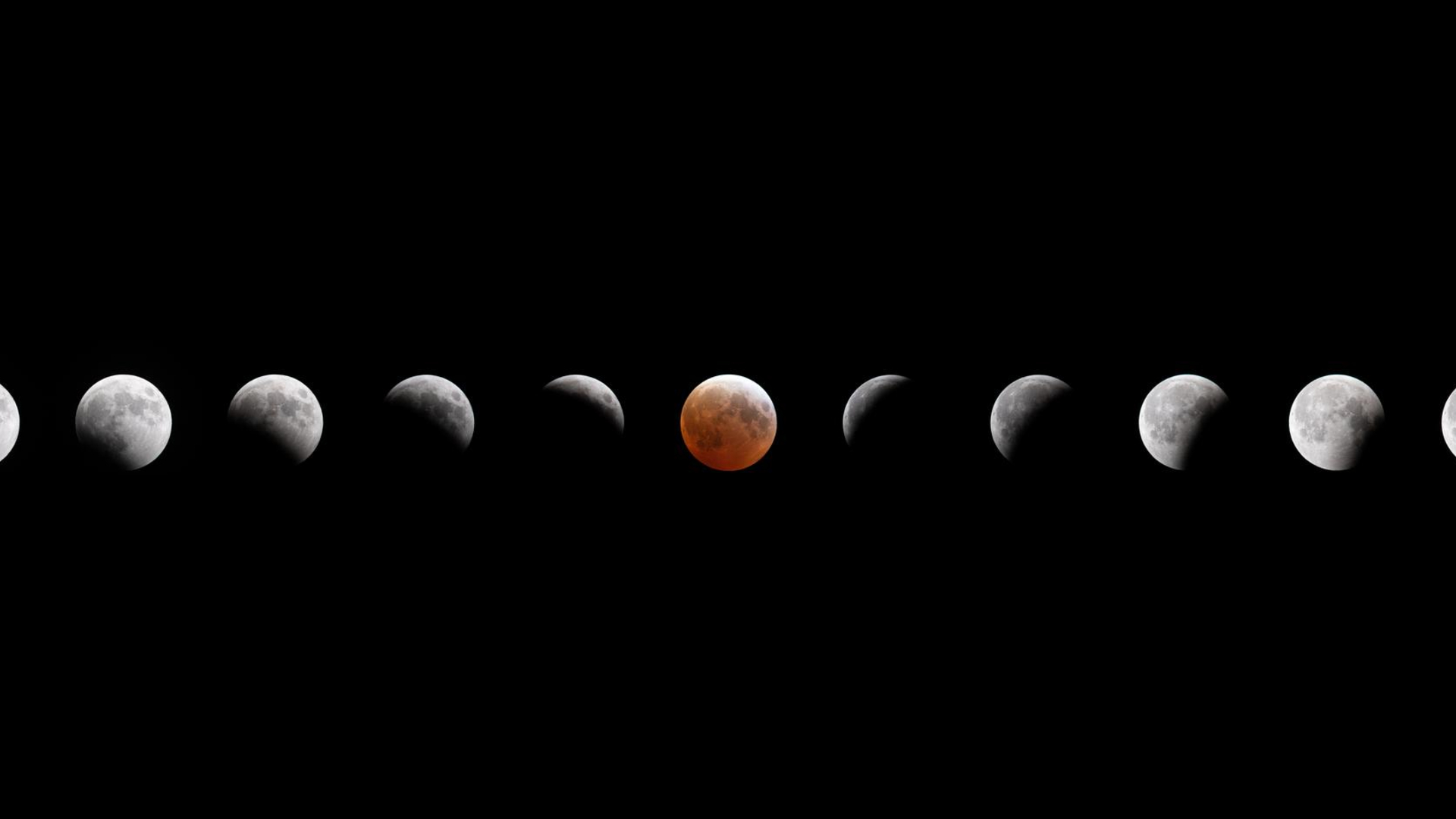
Anything that blocks light casts a shadow, including the Earth itself. But where can we find our planet’s umbra? We asked several astronomers and found that under the right conditions, we can find Earth’s shadow every day.
—If you enjoyed this, sign up for the Life’s Little Mysteries newsletter
The sun’s movement across the Milky Way saved life on Earth
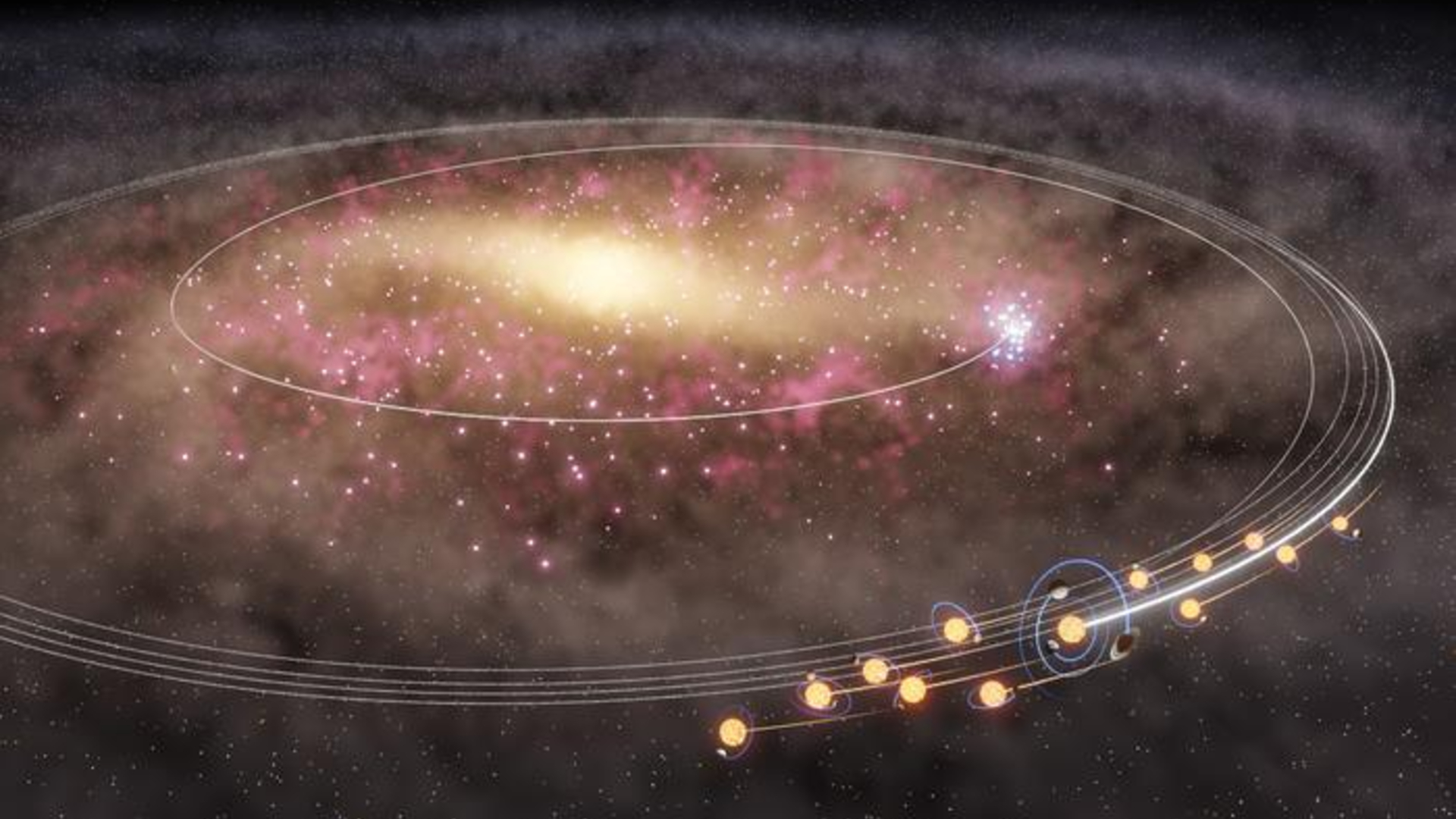
Our sun was born 4.6 billion years ago near the bustling center of the Milky Way galaxy, but new research suggests that the presence of life on Earth is linked to our star traveling 10,000 light years to the outskirts of the galaxy today.
A new study used the Gaia Space Telescope to analyze the Sun’s age, temperature and composition, charting more than 6,000 stellar “twins.” The results showed that moving our solar system away from energetic events such as supernovae and into a more benign environment may have given life a chance to flourish on Earth.
More space news
—The ‘interstellar messenger’ 3I/ATLAS may be almost as old as the universe itself, James Webb Telescope observations reveal
— Universe-shaking black hole and neutron star collision could upend our understanding of monster cosmic mergers
– Extremely rare sightings of planets colliding may shed light on the impact that formed the moon
Also featured in this week’s science news
— Scientists use ‘negative light’ to send secret messages hidden in heat
—Study shows generative AI can amplify and strengthen our delusions
— Scientists squeeze microbes into steel “sandwiches” and make major discoveries about life in the universe
– ‘Rectal garlic insertion for immune support’: Experts say medical chatbots confidently give disastrously misguided advice
— Fallen meteorite punches a hole in the roof of a German house after a spectacular ‘fireball’ explosion over Europe
– Giant 10-seater flying taxi passes first flight test in China
science spotlight

Oil-related topics are firmly back this week. Oil prices have soared to more than $100 a barrel after Iran blocked the Strait of Hormuz, the world’s most important oil shipping chokepoint, in response to the war between the United States and Israel and the Middle Eastern country.
With the world economy reeling after the International Energy Agency warned of the “largest supply disruption in the history of the global oil market,” Live Science investigated how the world could free itself from politically and environmentally disastrous fossil fuels, and found that it could one day follow a whale blubber path.
something for the weekend
If you’re looking for something a little longer to read over the weekend, here are some of the best features, crosswords and opinion pieces published this week.
—Diagnostic dilemma: A woman born without a vagina or cervix conceived a son naturally. [Feature]
—Live Science Crossword Puzzle #33: ‘E’ in E =mc^2 — 2 down [Crossword]
—AI verified a proof that won one of the most prestigious awards in mathematics. Mathematics is never the same [Opinion]
Science news in pictures
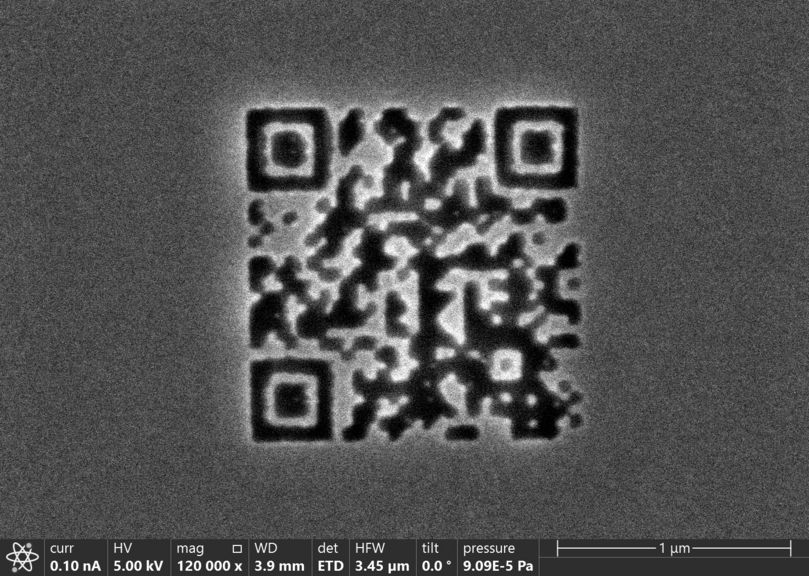
It may not seem like a big deal, but it’s because it isn’t, at least not physically.
Measuring just 3.07 × 10⁻⁹ square inches (1.98 square micrometers) and created by etching a grid into a ceramic film using an ion beam, it is the world’s smallest QR code. Here it is captured by an electron microscope (visible light wavelengths are too thick to resolve).
And if you’re asking what the big deal is, rest assured that the scientists who created it aren’t trying to design the world’s most annoying restaurant menu. Rather, they believe their small code could be an attractive alternative to using easily overwritten magnetic tape for long-term data storage.
Follow Live Science on social media
Want more science news? Follow our Live Science WhatsApp channel to keep up with the latest discoveries. It’s the best way to get expert reports on the go, but even if you don’t use WhatsApp, you can use Facebook, X (formerly Twitter), Flipboard, Instagram, TikTok, Bluesky, and LinkedIn.
Source link
