


This week’s science news featured some amazing innovations, including the development of a new type of quantum processor that will last 15 times longer than those used by Google and IBM.
Manufactured from the rare earth element tantalum, this processor is an important step toward stable quantum computing. But scientists must overcome significant challenges, including the processor’s millisecond decoherence time and tantalum’s extreme rarity.
Saying goodbye to Comet 3I/ATLAS
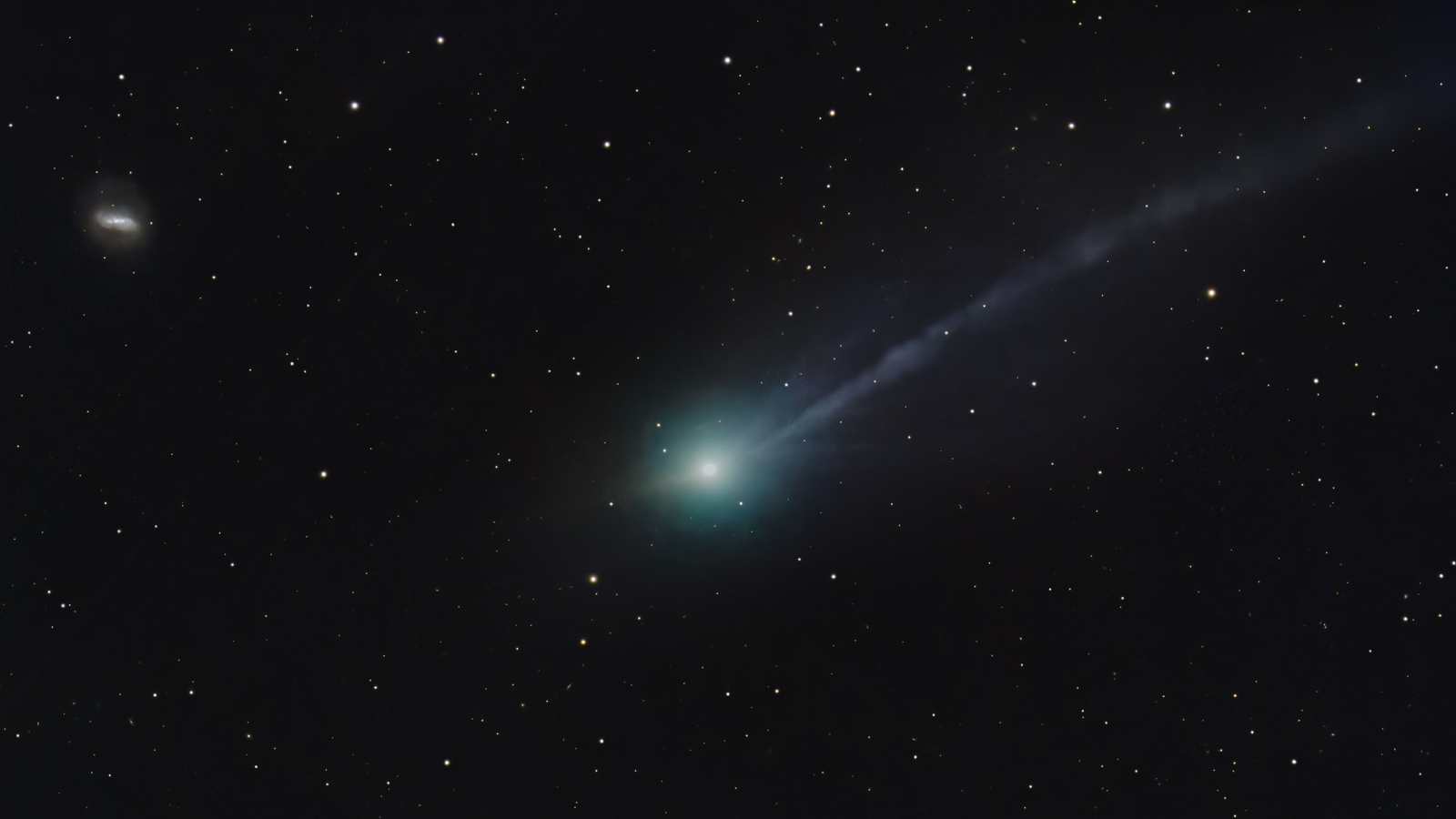
3I/ATLAS passed its closest approach to Earth this week and is now set to leave our cosmic neighborhood for good.
Since its discovery in July, comet 3I/ATLAS has surprised astronomers and skywatchers alike by zooming in behind our Sun, rapidly brightening, erupting in a cryovolcano, and changing color multiple times while emitting a highly illuminated coma.
The comet, which can be up to several miles wide and up to 7 billion years old, is currently hurtling at 130,000 miles per hour (210,000 kilometers per hour) on its way out of the solar system.
But that doesn’t mean this is the last we hear about this interstellar object, sparking a frenzy of speculation surrounding its (incredibly dubious) alien origins. 3I/ATLAS is scheduled to leave the solar system after passing Pluto in 2029, giving scientists and spacecraft plenty of time to observe Pluto.
More space news
—NASA’s Parker Solar Probe has mapped the invisible parts of the Sun during its most active moments.
— ‘We were surprised’: Scientists using the James Webb telescope may have discovered the oldest supernova in the known universe
— Final data from groundbreaking cosmology telescope proves 30 models of the universe wrong
…Or should we say goodbye for now?
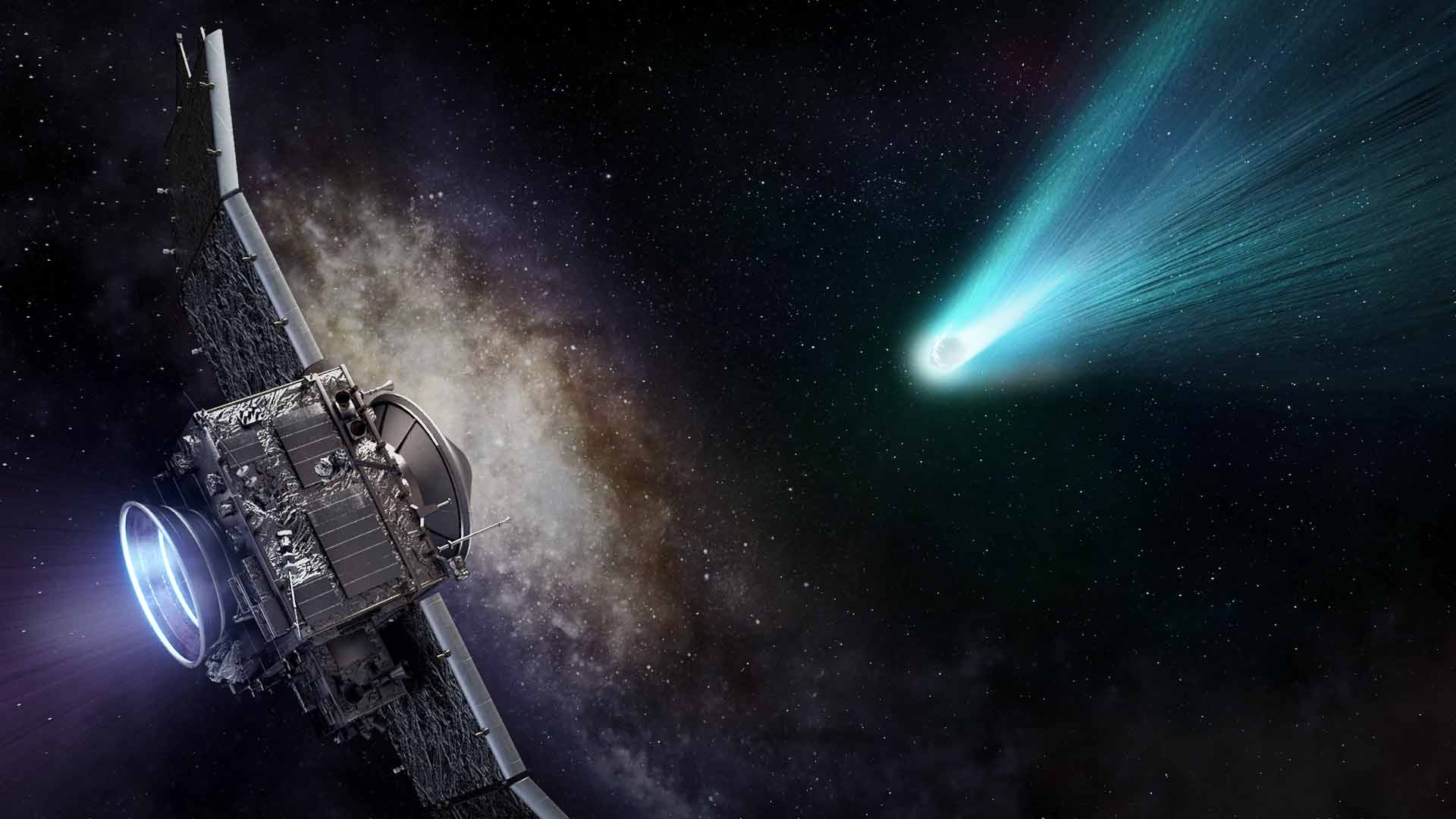
Or can we track 3I/ATLAS before it leaves the solar system? It may sound far-fetched, but some scientists are hoping to send a probe to the comet before it leaves.
Doing so will not only reveal further clues about how comets form, but also help us figure out whether we are alone in the universe, Live Science reveals in this fascinating Science Spotlight.
life’s little mysteries
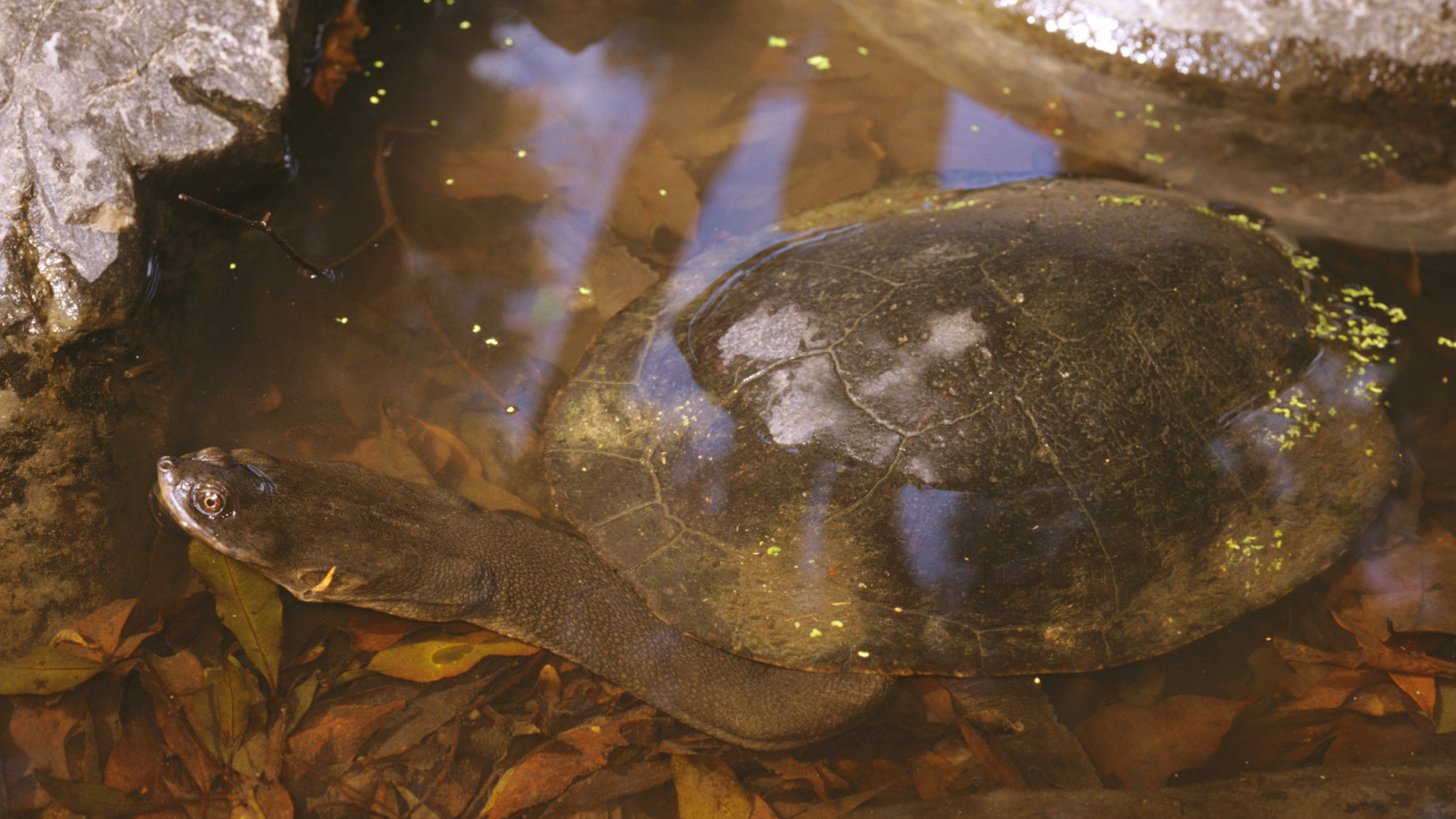
Turtles’ bodies are protected by hard shells, which vary tremendously depending on the species. But how did these natural armors evolve in the first place? And can turtles really hide their heads inside their shells?
—If you enjoyed this, sign up for the Life’s Little Mysteries newsletter
Puma eating penguin shows strange behavioral changes
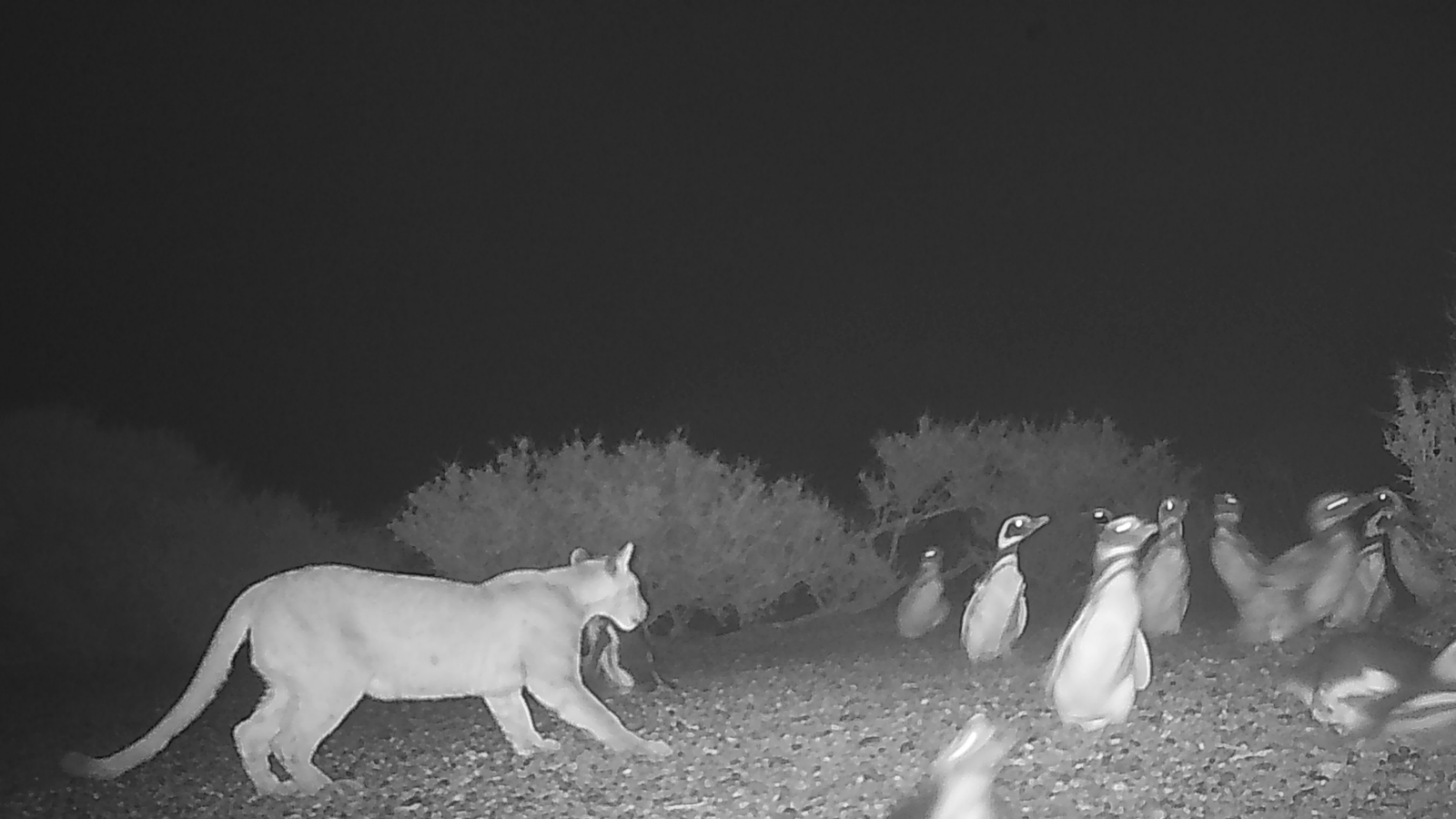
The strange behavior of a mountain lion (Puma concolor) in Argentine Patagonia’s Monte León National Park this week has highlighted the surprising ramifications of conservation efforts. Mountain lions were driven out of the area by shepherds in the 20th century, but the apex predator returned when the national park was established in 2004.
So far typical, scientists were surprised after the pumas targeted a colony of about 40,000 Magellanic penguins (Spheniscus magellanicus) that had settled in their absence. After eating the penguin, the mountain lions began to tolerate each other more than usual.
This new behavior suggests that restoring wild animals in altered habitats does more than just reset the clock, it creates entirely new behaviors and ecosystems.
More animal news
—Polar bears in southern Greenland are ‘using jump genes to rapidly rewrite their DNA’ to survive melting sea ice
— Scientists have finally decoded the vampire squid’s giant genome, revealing the secret of its ‘living fossil’
– Giant crocodile Cassius died of sepsis after an infection that had been dormant for 40 years burst from an abscess, an autopsy reveals.
Also featured in this week’s science news
— An ancient Egyptian valley temple has been excavated — and it connects to a huge upper temple dedicated to the sun god Ra
– Research reveals that lava debris on the ocean floor acts as a carbon dioxide “sponge”
—Brain scan reveals a “dial” to prevent getting lost
– Earliest evidence of father-daughter incest found in 3,700-year-old bones in Italy
—Study suggests the time of day you receive cancer treatment matters
science spotlight

Artificial intelligence models are making steady progress in deciphering increasingly difficult mathematical problems, but will they soon surpass humans in deciphering the most difficult unresolved conjectures, or is it just all the hype? Live Science spoke to some of the world’s best mathematicians to find out.
something for the weekend
If you’re looking for something a little longer to read over the weekend, here are some of the best crosswords, skywatching guides and opinion articles published this week.
— Live Science Crossword Puzzle #23: Distance around the edge of a circle — 6 below [Crossword]
—2025 Uruid meteor shower: When and where to see “shooting stars” on the longest night of the year [Skywatching]
— “This has rewritten our understanding of Roman concrete production”: Abandoned Pompeii workshops reveal how to make self-healing concrete [Opinion]
Science in pictures
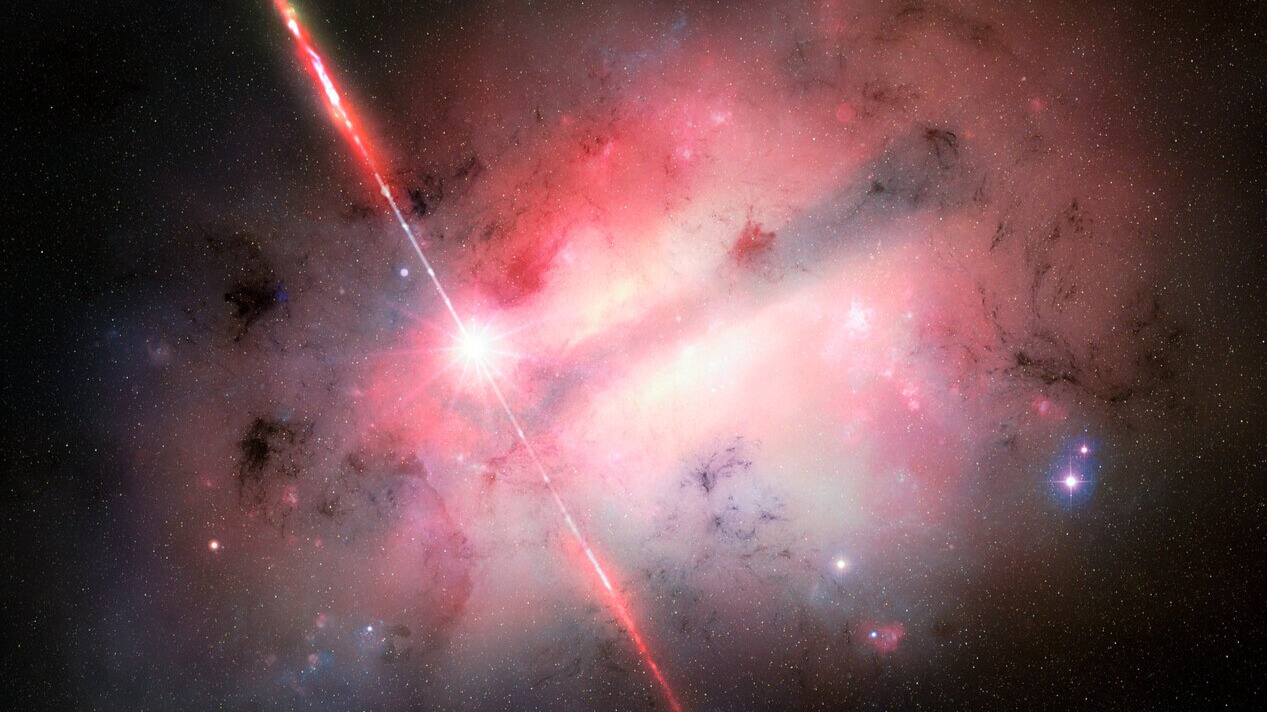
This week’s science photos show one of the most powerful and longest-lasting cosmic explosions ever detected. A seven-hour explosion ripped from a dying star at 99% the speed of light.
The phenomenon, called GRB 250702B, is the longest-lasting gamma-ray burst ever recorded and could have been caused by a supernova explosion, a star torn apart by a black hole, or the merger of a black hole and a helium star.
Follow Live Science on social media
Want more science news? Follow our Live Science WhatsApp channel to keep up with the latest discoveries. It’s the best way to get expert reports on the go, but even if you don’t use WhatsApp, you can use Facebook, X (formerly Twitter), Flipboard, Instagram, TikTok, Bluesky, and LinkedIn.
Source link
