

The UK’s commitment to next-generation nuclear energy has taken a decisive step, with Great British Energy Nuclear (GBE-N) officially signing a contract with Rolls-Royce SMR.
The agreement marks the formal start of detailed design work on the UK’s first small modular nuclear reactor, which will form the basis of the Government’s long-term clean energy strategy.
Commenting on the landmark agreement, Simon Bowen, Chairman of Great British Energy Nuclear, said:
“Today is a day that truly recognizes the hard work that has been done across GBE-N, Rolls-Royce SMR and the Government to get to this point, and I am extremely proud of the team for reaching this important milestone.”
Tipping point for small modular nuclear reactors in the UK
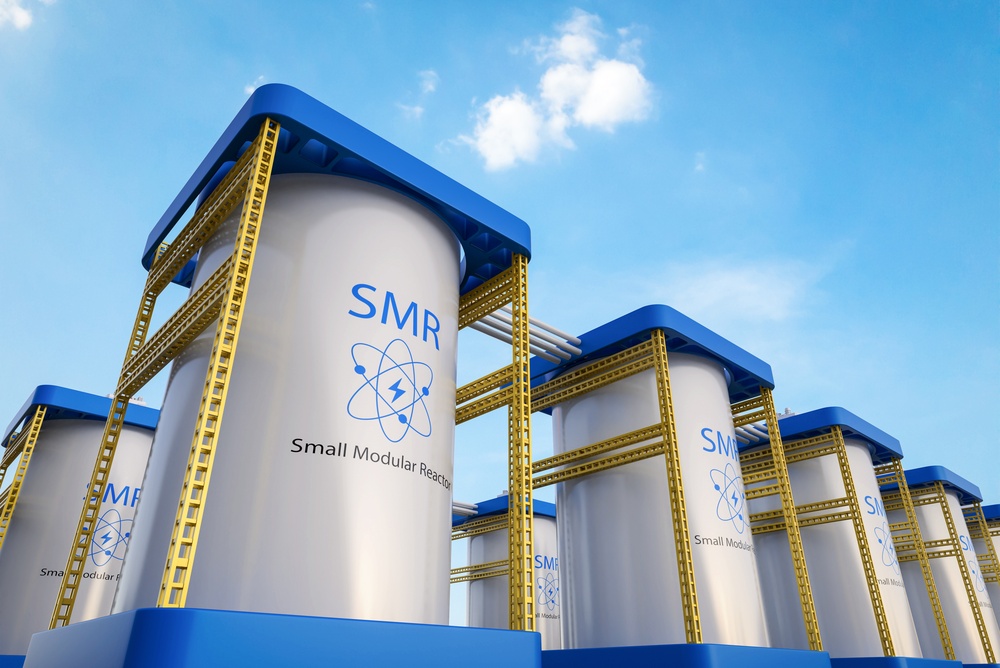
Small modular reactors, often referred to as SMRs, are designed to modernize nuclear power supplies.
Unlike traditional large-scale plants, these reactors rely on factory-manufactured components that are assembled on-site. The result is a more predictable construction process, reduced initial risk and faster delivery times.
The deal will move Britain’s small modular nuclear reactors from theory to practical development. Engineers will now begin site-specific design work alongside regulatory engagement and planning processes.
These steps are essential before making a final investment decision, but they show that the program is well underway.
massive clean power
The initial project will consist of three SMR units and is expected to generate at least 1.4 gigawatts of power.
This is enough to power approximately 3 million homes for over 60 years, providing a stable, low-carbon energy source.
This is important in the volatile global energy landscape. Ongoing geopolitical tensions highlight the risks of relying heavily on fossil fuel imports.
The expansion of SMR in the UK is increasingly seen as a means of increasing energy independence while supporting climate change targets.
Energy Secretary Ed Miliband echoed this sentiment, saying: “At a time of global instability, this is a major milestone for the UK’s energy security.
“We are supporting a British company to deliver the first small modular nuclear reactor, creating the next generation of good jobs, boosting growth and delivering clean, homegrown electricity for decades to come.
“Our clean energy mission is the only way to escape the fossil fuel roller coaster and regain energy independence.”
Employment, investment and industrial growth
Beyond energy production, the economic impact is significant. The first SMR project alone is expected to create around 3,000 jobs at peak construction and support many more roles across the wider supply chain.
Government support was huge. Around £2.6 billion was allocated in the 2025 Spending Review to launch this programme.
Since then, more than £350m of contracts have already been signed with companies across the UK, strengthening domestic industrial capacity.
Additional financial support will come from the National Wealth Fund, which is contributing up to £599m to Rolls-Royce’s SMR programme.
The investment aims to boost investor confidence, attract private capital and position the UK as a potential exporter of SMR technology.
Chris Cholerton, Chief Executive Officer of Rolls-Royce SMR, added: “This contract enables delivery of the first three units and provides certainty to the UK’s SMR programme.
“We are planning up to six further units in the Czech Republic and with this announcement Rolls-Royce SMR becomes the only company in Europe with multiple contracts.
“We are transforming the way nuclear projects are delivered, increasing cost and schedule certainty with a standardized factory production approach.
“This project is important to the UK’s energy security and will strengthen our business and the UK’s supply chain. We are excited about this opportunity and are focused on delivering on it.”
Building momentum for introduction
With the contract signed, focus now shifts to achieving key development milestones and moving towards construction readiness.
For policymakers, SMR is more than just a new energy source. These are strategic bets on indigenous technology, long-term resilience, and economic growth tied to a transition to clean energy.
If implemented as planned, the program could redefine the way nuclear power is built and deployed in the UK.
Source link
