

Experts say that despite advances in the UK’s domestic recycling infrastructure, limited processing capacity and rising processing and energy costs mean that it is often cheaper for councils and private companies to export recyclable waste than to process it domestically.
Although this would reduce costs, it would mean the UK’s existing recycling plants would close, leading to job losses. With fewer recycling facilities in operation, councils have little choice but to ship recyclable waste overseas, pushing the UK further away from its circular economy goals.
Furthermore, this is having a knock-on effect on the EU’s plastics recycling industry, which experts say is at risk of “imminent collapse” unless urgent action is taken, and also raises serious sustainability concerns.
Mark Hall, dry mix recycling expert at BusinessWaste.co.uk, said: “The UK recycling system gives people the impression that their own waste is being recycled responsibly, but much of it is simply someone else’s business overseas.”
“What we are seeing is a system that relies heavily on exports rather than building long-term, sustainable infrastructure at home.
“Unless we invest properly in domestic recycling facilities, this cycle will continue and the UK will continue to rely on other countries to handle materials that can easily be processed domestically.”
What types of recyclable waste does the UK export?
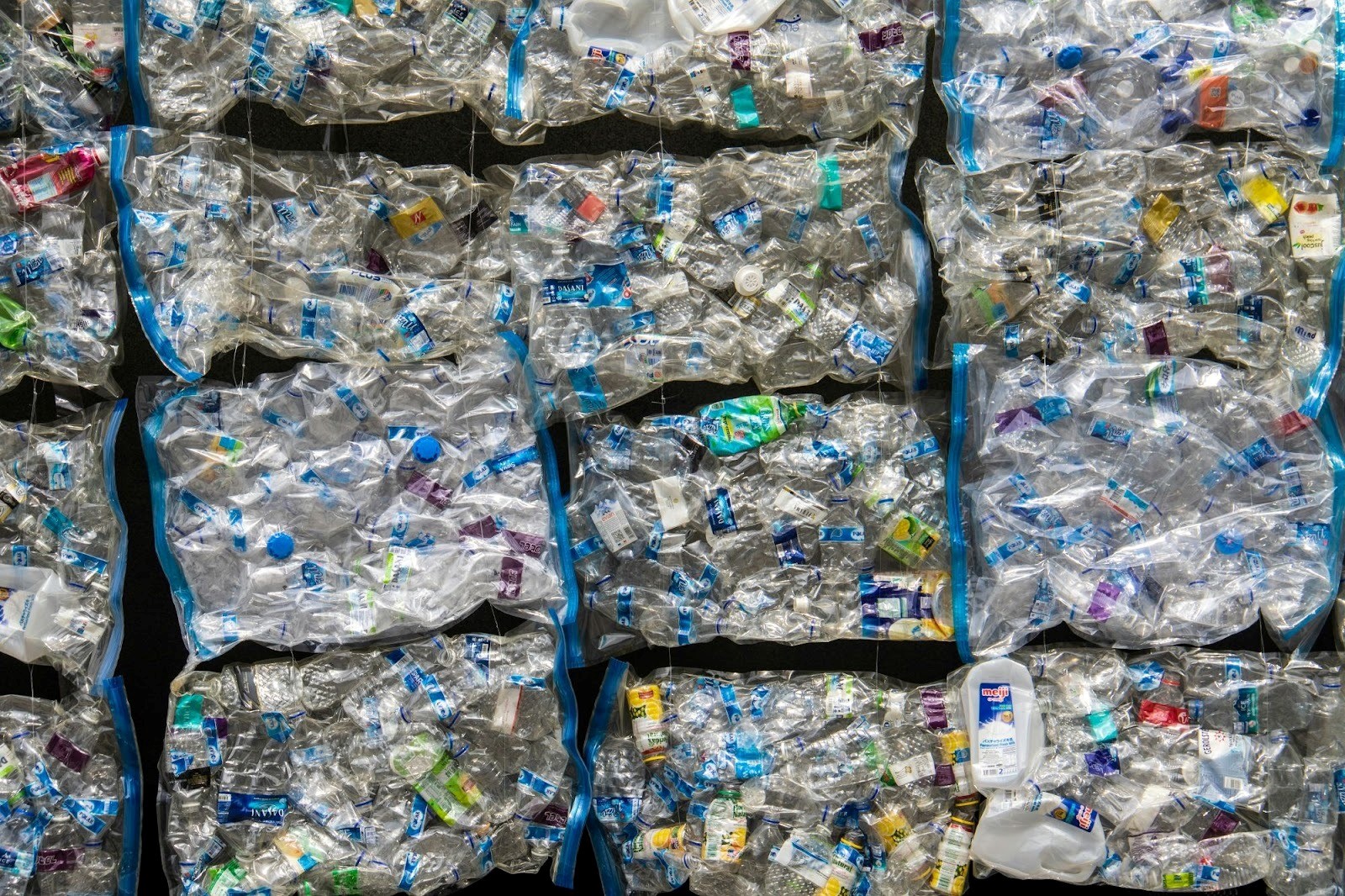
The UK continues to rely heavily on overseas processing of recyclable waste, with plastic being the biggest source.
Last year, the UK exported plastic waste to a number of countries including:
Turkey (where most of the waste is sent, exporting 150,715 tons) Netherlands (104,786 tons) Germany (51,006 tons) Belgium (43,005 tons) Malaysia (38,471 tons) Indonesia (24,006 tons)
Although some of this waste is legally recycled overseas, a significant portion of it is burned, dumped, or improperly managed. This, in turn, contributes to global emissions and pollution in areas with weak environmental regulations.
What else does the UK export?
Plastic is not the only waste that is recycled. The UK also exports millions of tonnes of other recyclable materials each year, including:
Paper and paperboard waste: In 2023, the UK exported approximately 3.4 million tonnes, mainly to India, Malaysia and Vietnam, accounting for more than 70% of total paper waste exports. Metal scrap (iron and steel): Exports will be around 7.5 million tonnes in 2024, with main export destinations being Turkey, Egypt and India, which currently handle a large share of the UK’s scrap processing. Glass waste: In 2023, the UK will ship around 445,000 tonnes, mainly to Portugal, Belgium and Spain, with much of it being reprocessed for reuse.
These figures highlight how the UK continues to rely on overseas facilities to dispose of waste, even when material could theoretically be recycled or recovered domestically.
The carbon footprint of recycling in the UK and overseas
The UK is the third largest exporter of plastic waste after Germany and Japan. Last year, it exported 598,214 tons of plastic waste, an increase of 5% from 2023.
When ocean emissions are taken into account, that export alone could generate around 60,000 tonnes of CO₂, effectively eroding many of the climate benefits gained from recycling overseas.
If the UK recycled this waste domestically rather than exporting it, the potential carbon savings would be significantly higher. Recycling materials in the UK eliminates transport emissions and maximizes environmental benefits by using secondary raw materials rather than virgin resources.
Data shows that recycling 1 tonne of aluminum saves approximately 9 metric tons of CO₂, while recycling steel saves approximately 1.67 metric tons of carbon steel and up to 4.3 metric tons of stainless steel. Recycling paper saves around 4 tonnes of CO₂ per tonne, and recycling plastics saves around 1.5 tonnes of CO₂.
If the UK could process even half of the recyclable materials it exports domestically, it could save the UK well over a million tonnes of CO₂ emissions a year.
In addition to reducing the UK’s carbon footprint, this will strengthen the circular economy, create local jobs and reduce dependence on overseas facilities.
Source link
