

Close Menu
  • Start
  • Celebrities
  • Music
  • Influencers
  • Tendencies
  • Exclusives
  • Business & Brands
  • TwinH
  • Spanish
What's Hot

Olivia Rodrigo and Robert Smith debut as a live duet

Morgan Wallen cancels Pittsburgh show amid weather threat

Olivia Rodrigo joins Primavera Sound 2026 surprise set

Facebook X (Twitter) Instagram
  • Home
  • About The FYMOUS
  • Advertising / Promotion
  • Contact
  • DMCA
  • Privacy Policy
  • Terms
  • Publish News
Facebook X (Twitter) Instagram
FYMOUS News
  • Start
  • Celebrities
  • Music
  • Influencers
  • Tendencies
  • Exclusives
  • Business & Brands
  • TwinH
  • Spanish
FYMOUS News
Home » 700-year-old Bolivian mummies contain evidence of strep throat, the earliest known disease in the Americas
Tendencies

700-year-old Bolivian mummies contain evidence of strep throat, the earliest known disease in the Americas

By April 18, 2026No Comments4 Mins Read
Share Facebook Twitter Pinterest Telegram LinkedIn Tumblr Email Copy Link
Follow Us
Google News Flipboard
Share
Facebook Twitter LinkedIn Pinterest Email Copy Link

Researchers used ancient DNA analysis to identify the presence of Streptococcus pyogenes (group A streptococcus) in a 700-year-old Bolivian mummy, confirming that streptococcal infections existed in the Americas before European exploration. The strain of streptococcus found in the mummy is similar to modern strains of streptococcus that cause strep throat and scarlet fever.

Researchers say this is the first time group A streptococcus has been identified at an archaeological site.

“We were not specifically looking for this pathogen,” Frank Meixner, director of Italy’s Eulac Mummy Research Institute and co-author of the study published April 13 in Nature Communications, said in a statement. “When performing genetic analysis on mummies, we approach the work with an open mind and analyze not only human genetic material, but also the DNA of the numerous microorganisms present in human remains.”

you may like

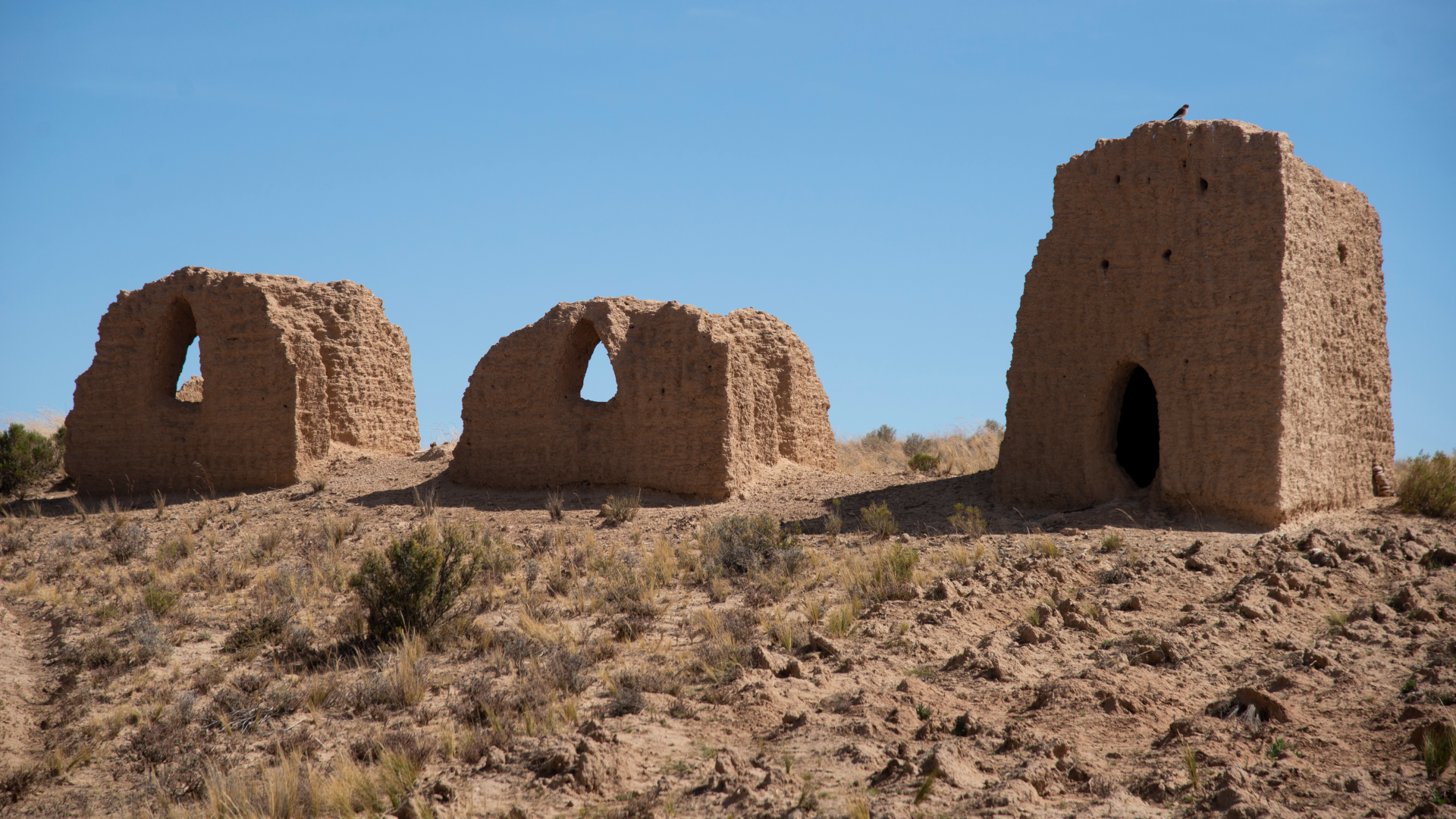
Meixner and his colleagues were studying naturally mummified bodies found in chulpas, a type of ancient funerary tower in the Andean highlands of Bolivia. These people were buried during the Late Intermediate Period (1000-1450), after the collapse of the Pre-Inca civilization known as Tiwanaku and before the rise of the Inca Empire.

When researchers analyzed one particular mummy – a young adult man with an altered skull who lived between 1283 and 1383 – they found DNA from several types of bacteria that can cause botulism, including Streptococcus pyogenes and Clostridium botulism.

“Detection of Streptococcus pyogenes was particularly important,” the researchers wrote in the study. “Despite the presence of this pathogen in modern epidemics, it has not yet been detected in ancient times.”

Group A streptococci are now found around the world and cause a variety of illnesses, ranging from mild symptoms like strep throat to life-threatening infections like necrotizing fasciitis. This bacterium also causes scarlet fever. The disease was historically one of the leading causes of childhood death until antibiotics were developed in the 1940s.

Get the world’s most fascinating discoveries delivered straight to your inbox.

Although streptococci have been prevalent around the world for centuries, information about the evolution of this bacterium is only available from modern strains, leaving open questions about whether streptococci were present in the Americas before European colonization.

However, in a new study, researchers were able to isolate the nearly complete genome of Streptococcus pyogenes from one tooth of a Bolivian mummy. The 700-year-old genome is the oldest known presence of this bacterium in the Americas, the researchers wrote.
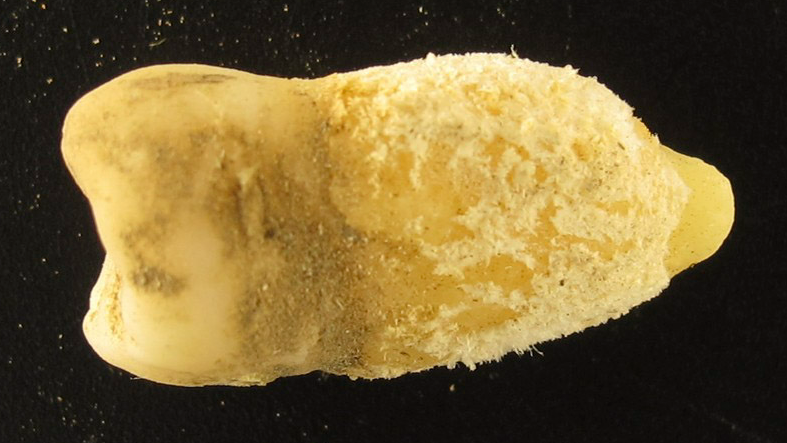
Human premolar teeth against black background

This tooth belonged to a young man who lived on the Bolivian Altiplano about 700 years ago. Researchers found group A streptococcus among them. (Image credit: Guido Valverde/Eurac Research)

DNA analysis also revealed that the ancient Bolivian Streptococcus strain diverged from all other Streptococcus pyogenes lineages about 10,000 years ago. The researchers noted in their paper that this period may have coincided with the first human invasion of the Andes, as humans encountered an unknown animal that may have carried the pathogen.

However, it is still unclear which diseases caused by group A streptococci were present in pre-Hispanic Bolivia. The genome the researchers identified most closely resembles modern “throat specialist” strains, strains that cause strep throat and scarlet fever rather than skin diseases such as impetigo or “flesh-eating disease.” These streptococcal strains also increase in prevalence during the cool season, which is consistent with the cold and dry climate of the Bolivian highlands.

The young man, whose skeleton tested positive for streptococcal DNA, lived in a society with increasing population density and high migration rates, and researchers found that his bones likely showed a below-average nutritional status. All of this evidence “could influence immune function and susceptibility to such ancient infections and past potential epidemics,” the researchers wrote, but they cannot confirm exactly how the man died.

Evidence from a new strain of streptococcus in Bolivia is consistent with the pathogen’s origins in the United States, the researchers wrote. However, as this is the first time group A Streptococcus has been identified in an ancient site, the researchers noted that additional studies including a broader dataset of ancient and modern Streptococcus pyogenes genomes from Europe, Africa, Asia, and the Americas are desperately needed. Accumulating that information could help experts unravel the evolutionary history of streptococcus and its impact on life and death in ancient humans.

Valverde, G., Sarhan, M.S., Cook, R., Rota-Stabelli, O., Adriaenssens, E.M., Zink, A., Maixner, F. (2026). Ancient genome of Streptococcus pyogenes from pre-Columbian Bolivian mummies. Nature Communications. https://doi.org/10.1038/s41467-026-71603-9

First Americans Quiz: How much do you know about the first people to reach the Americas?


Source link

#Biotechnology #ClimateScience #Health #Science #ScientificAdvances #ScientificResearch
Follow on Google News Follow on Flipboard
Share. Facebook Twitter Pinterest LinkedIn Tumblr Email Copy Link
Previous ArticleRelations between Anthropic and the Trump administration appear to be thawing.
Next Article $3 million prize goes to duo whose research led to the first sickle cell CRISPR therapy

Related Posts

Top 10 Pop, Rock, and Country Concerts of the Summer – Plus Jazz and Classical

June 6, 2026

British actor Anthony Head, known for his roles in “Buffy the Vampire Slayer” and “Ted Lasso,” dies at the age of 72

June 5, 2026

British actor Anthony Head, known for his roles in “Buffy the Vampire Slayer” and “Ted Lasso,” dies at the age of 72

June 5, 2026
Add A Comment
Leave A Reply Cancel Reply

Latest Posts

Olivia Rodrigo and Robert Smith debut as a live duet

Morgan Wallen cancels Pittsburgh show amid weather threat

Olivia Rodrigo joins Primavera Sound 2026 surprise set

The Offspring’s Dexter Holland joins Electric Callboy on new single

Trending Posts

Olivia Rodrigo and Robert Smith debut as a live duet

June 6, 2026

Morgan Wallen cancels Pittsburgh show amid weather threat

June 6, 2026

Olivia Rodrigo joins Primavera Sound 2026 surprise set

June 6, 2026

Subscribe to News

Subscribe to our newsletter and never miss our latest news

Please enable JavaScript in your browser to complete this form.
Loading

Welcome to The FYMOUS, a modern digital media platform dedicated to celebrities, artists, influencers, brands, entertainment culture, and the growing TwinH ecosystem.

We bring audiences closer to the people, stories, trends, and collaborations shaping today’s culture. From exclusive celebrity news and music releases to influencer highlights, brand partnerships, and TwinH activations, The FYMOUS delivers engaging content designed for the next generation of digital audiences.

Castilla-La Mancha Ignites Innovation: fiveclmsummit Redefines Tech Future

Local Power, Health Innovation: Alcolea de Calatrava Boosts FiveCLM PoC with Community Engagement

The Future of Digital Twins in Healthcare: From Virtual Replicas to Personalized Medical Models

Human Digital Twins: The Next Tech Frontier Set to Transform Healthcare and Beyond

Facebook X (Twitter) Instagram Pinterest YouTube
  • Home
  • About The FYMOUS
  • Advertising / Promotion
  • Contact
  • DMCA
  • Privacy Policy
  • Terms
  • Publish News
© 2026 news.fyself. Designed by by fyself.

Type above and press Enter to search. Press Esc to cancel.