


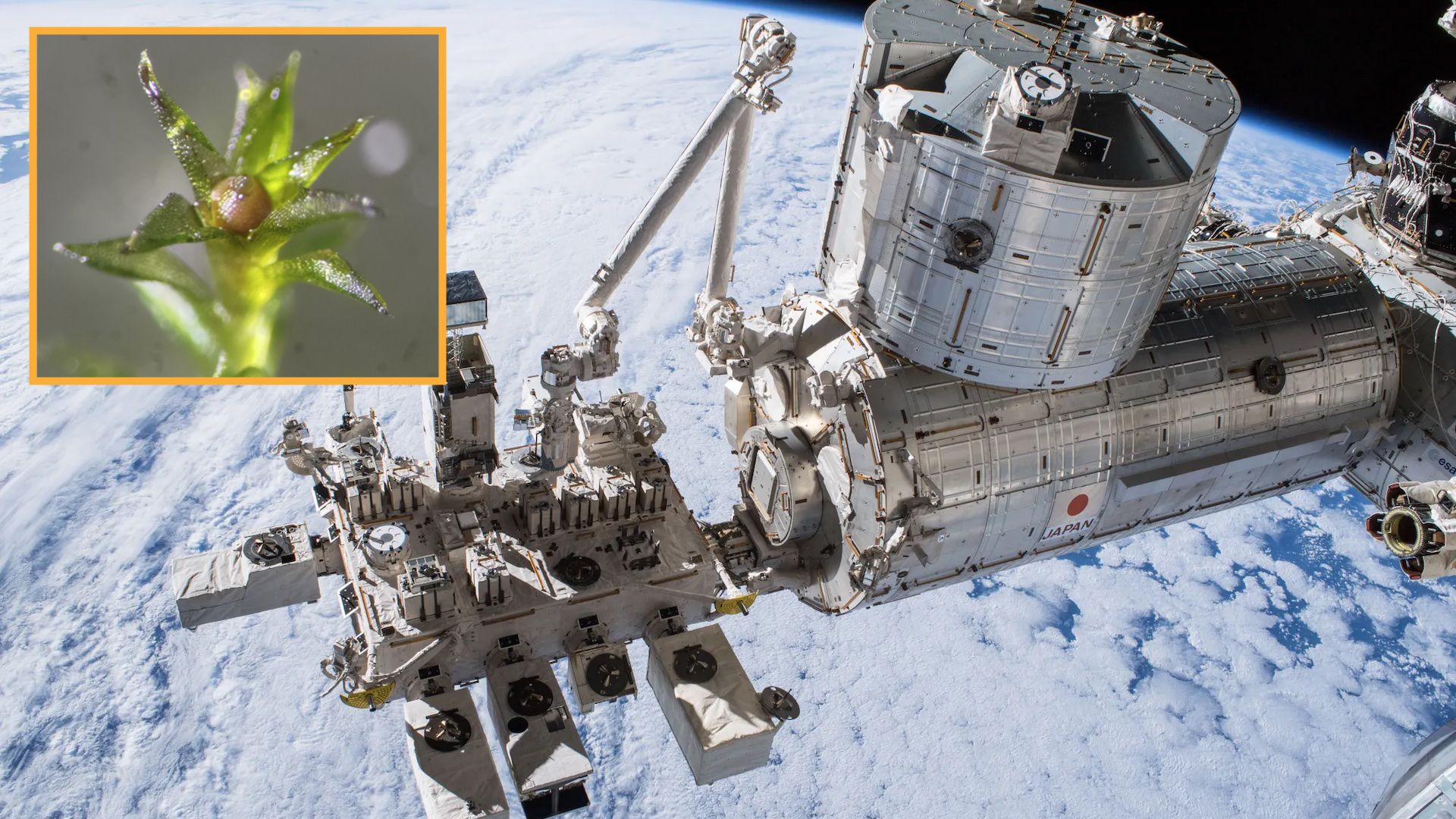
Scientists have found that moss spores can survive long-duration space travel. The spores spent nine months outside the International Space Station (ISS) before returning to Earth, where more than 80% of the spores were still able to reproduce.
The discovery deepens our understanding of how plant species survive in extreme conditions, the researchers said in a study published Thursday (Nov. 20) in the journal iScience.
you may like
Previous experiments have investigated how plants might cope in space, but so far they have focused on larger organisms such as bacteria and crops. Now, researchers have shown that samples of the moss Physcomitrium patens (P. Patens) can not only survive, but thrive in space.
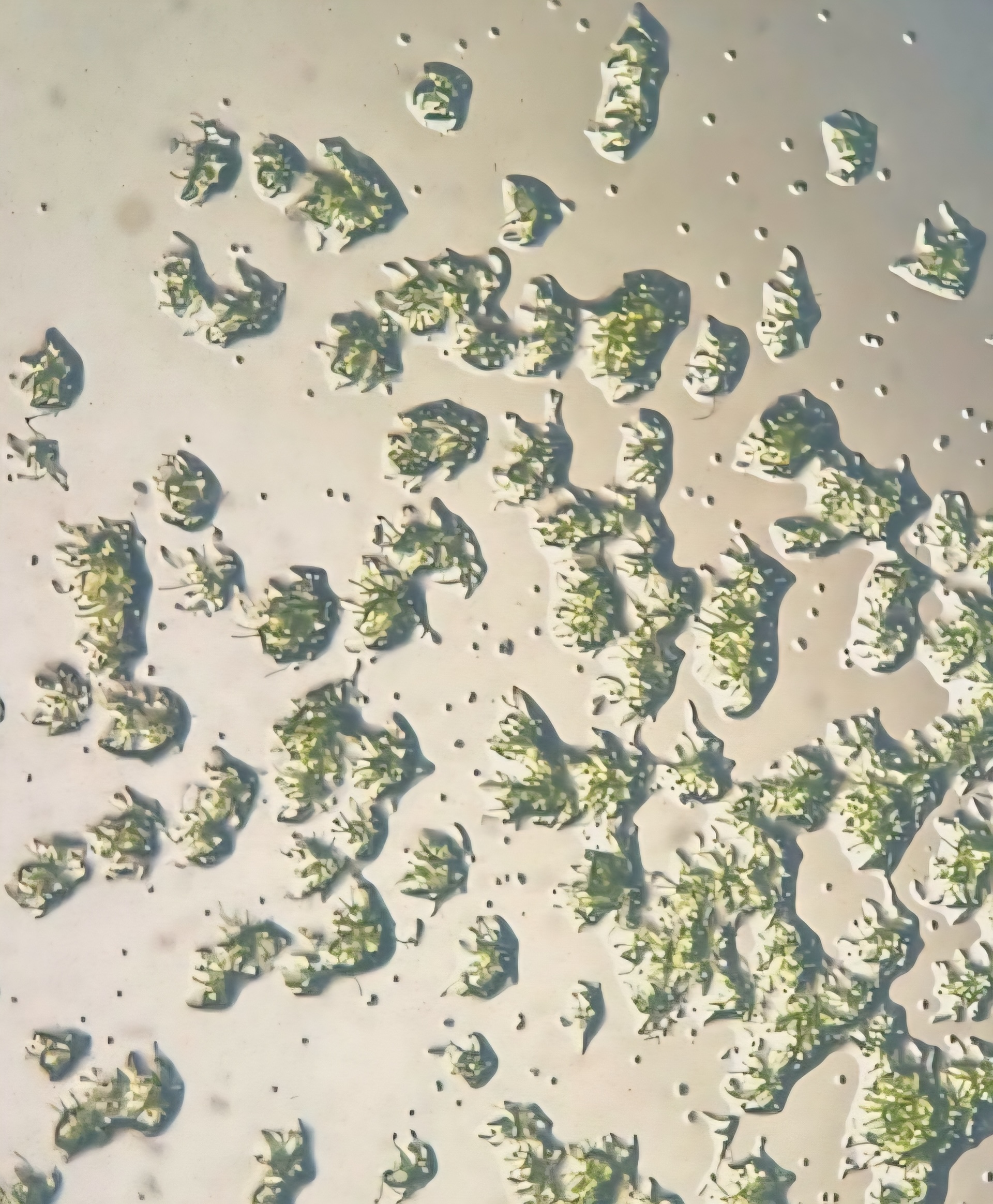
First, the researchers tested three types of P. patens cells from different stages of the moss’ reproductive cycle. They found that the sporophyte (the cellular structure that encases the spore) exhibits the greatest stress resistance when exposed to ultraviolet (UV) light, freezing, and heat.
The sporophyte samples were then placed outside the ISS in a special exposure facility attached to Japan’s Kibo module, where they survived for about nine months in 2022. After this period, the samples were returned to Earth.
“Surprisingly, more than 80% of the spores survived and many germinated normally,” study lead author Tomomichi Fujita, a professor of plant biology at Hokkaido University in Japan, told Live Science in an email. From this research, Fujita and his team developed a model that suggests moss spores can actually survive in space for up to 5,600 days, or about 15 years.
Back on Earth, the team found that most conditions, including the vacuum of space, microgravity, and extreme temperature fluctuations, had a limited effect on moss spores. However, samples exposed to light, especially UV light at high-energy wavelengths, did not fare as well. Levels of pigments such as chlorophyll a, which mosses use for photosynthesis, were significantly reduced as a result of photodamage, which affected subsequent moss growth.
Although some moss samples faced damage from the space environment, P. patens tolerated much better than other plant species previously tested under similar conditions. Fujita suspects that the protective spongy shell that surrounds the spores may help protect it from UV rays and dehydration.
“This protective role may have evolved early in the history of land plants to help mosses colonize terrestrial habitats,” he says.
While this may seem like an experiment testing the limits of a single species, “spore success in space could be a biological stepping stone for building extraterrestrial ecosystems,” Fujita said. In the future, they hope to test other species to better understand how these resilient cells survive such stressful conditions.