
Europe calls for prioritizing animal disease prevention
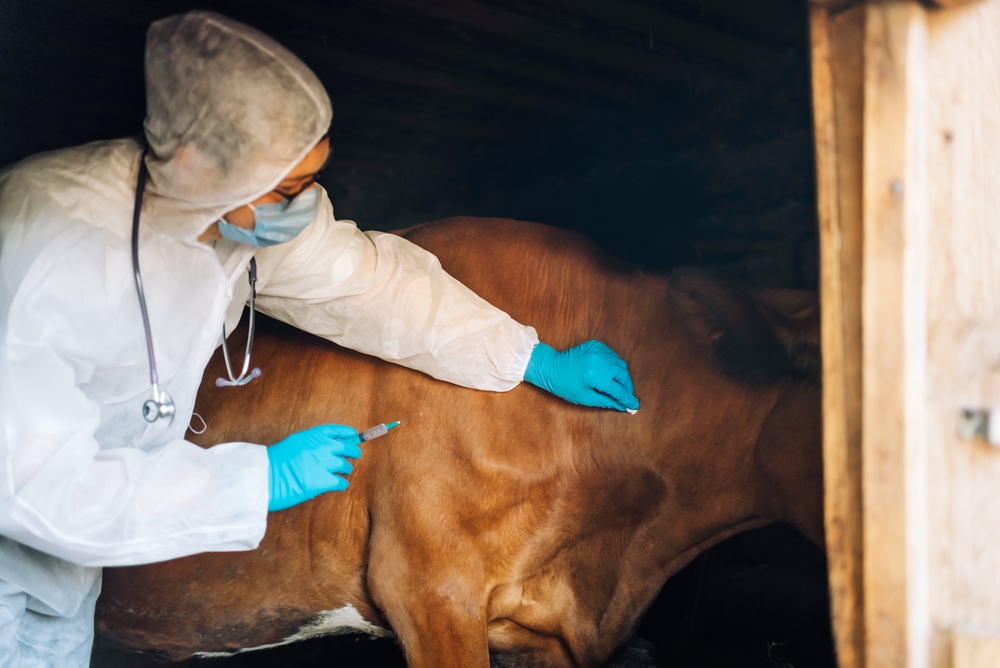
Europe’s leading animal sector organizations are sounding the alarm over the growing burden of animal disease and are calling on the EU to abandon reactive models of crisis management in favor of bold prevention-first strategies.
Partners across Europe’s animal sector are calling for an urgent shift in how the EU deals with animal diseases, insisting that prevention, not response, must be the basis of future policy.
As outbreaks become more severe and costly, industry leaders say the current reliance on mass culling is unsustainable for farmers, the economy and animal welfare.
Rising outbreaks highlight the cost of inaction
In recent years, the alarming effects of poorly managed animal disease outbreaks have become clear.
The World Organization for Animal Health (WOAH) reports that more than 547 million poultry birds were lost to highly pathogenic avian influenza (HPAI) between 2023 and 2025.
The economic shock was equally severe. Germany estimates that a foot-and-mouth disease (FMD) outbreak in buffalo in 2025 caused losses of €1 billion, taking into account regulatory measures and subsequent trade disruptions.
Sector partners emphasize that while not all diseases can be avoided, many devastating outbreaks can be prevented or their impact dramatically reduced through timely vaccination, increased surveillance and improved farm resilience strategies.
Global and European institutions are calling for new approaches
The Union’s appeal reflects recent recommendations from the European Parliament, the Council of Europe and WOAH, all of which call for a decisive shift away from post-mortem-based models.
In a landmark resolution in May 2025, WOAH called for increased transparency, harmonized standards, and enhanced public-private collaboration to improve global vaccine access.
These measures support the United Nations Political Declaration on Antimicrobial Resistance, which calls for national animal vaccination strategies by 2030.
As stakeholders have noted, political and trade barriers often impede the use of existing tools, especially vaccines, allowing outbreaks of preventable animal diseases to become serious crises.
Five-point plan for a precautionary EU model
Animal sector organizations are now urging EU policymakers to adopt a comprehensive, prevention-first framework. Their recommendations are:
1. Strategic investment in prevention
Ensure a harmonized and well-funded national strategy for surveillance, vaccination and disease control, while supporting nutrition and breeding programs that improve animal resilience.
2. Strengthening veterinary medical services
It ensures effective implementation of animal health law visits in all Member States and allows for tailored guidance on biosecurity, feeding strategies and vaccination plans.
3. Accelerating vaccine innovation
Facilitate the rapid development and approval of new vaccines, including DIVA-compatible options, and maintain frequent dialogue between regulators and manufacturers.
4. International acceptance of preventive vaccination
Promote recognition of ‘vaccinated disease-free’ status to ease trade restrictions and ensure policies keep pace with scientific advances.
5. Kill only as a last resort
Wherever possible, replace mass culling with early detection surveillance, robust biosecurity and targeted vaccination as the cornerstone of animal disease management.
One Health Essentials
Organizations representing farmers, veterinarians, breeders, feed producers, diagnostic companies and animal medicine manufacturers agree that preventive care is a smarter and more sustainable path for rural Europe.
They argue that adopting a One Health approach that connects animal, human and environmental health is essential for long-term resilience and sustainable food production.
The Coalition’s message is clear. Europe must enable, encourage and make the most of all available tools to make animal disease prevention a strategic investment.
Only then will the principle that “prevention is better than cure” become a reality on farms across the continent.
Source link

