


Curious Kids is a series for children of all ages. If you have a question you’d like an expert to answer, send it to CuriousKidsUS@theconversation.com.
If evolution is real, why isn’t it happening now? — Dee, Memphis, TN
Many people believe that we humans have conquered nature through the wonders of civilization and technology. Others believe that because we are different from other creatures, we have complete control over our destiny and do not need to evolve. Many people believe this, but it is not true.
you may like
Like other living things, humans have been shaped by evolution. Over time, we develop and continue to develop traits that help us survive and thrive in the environment in which we live.
I’m an anthropologist. I study how humans adapt to various environments. Adaptation is an important part of evolution. An adaptation is a characteristic that provides an advantage to someone in their environment. People with those traits are more likely to survive and are more likely to pass those traits on to their children. Over generations, these traits are spread among people.
role of culture
We humans have two hands, which allows us to use tools and other objects effectively. We can walk and run on two legs, which frees up our hands to perform these skilled tasks. And we have large brains that allow us to think logically, generate ideas, and live well with other people in social groups.
All these characteristics helped humans develop culture. Culture includes all of our thoughts and beliefs, as well as our ability to plan and think about the present and future. This includes our ability to change our environment, for example by making tools or growing food.
We humans have changed our environment in many ways over the past few thousand years, and it is still changing through evolution. We have not stopped evolving, but we are evolving now in a different way than our ancient ancestors. Our environment often changes depending on our culture.
We usually think of the environment as the weather, plants, and animals of a place. But the environment also includes the food we eat and the infections we are exposed to.
A very important part of the environment is the climate and the conditions in which we can live. Our culture helps change our climate exposure. For example, we build a house and install a furnace and air conditioner in it. However, culture does not completely protect us from extreme heat, cold and sunlight.
you may like
Here are some examples of how humans have evolved over the past 10,000 years and how they continue to evolve today.
power of sunlight
Sunlight is important for life on Earth, but UV rays can damage human skin. People with fair skin are at risk for severe sunburn and equally dangerous types of skin cancer. In contrast, we have a lot of skin pigment called melanin, which gives us some protection from the sun’s harmful UV rays.
People with darker skin who live in the tropics are more likely to thrive in environments with frequent exposure to bright sunlight. But when ancient humans migrated to cloudy, cool places, they didn’t need dark skin. Dark skin in cloudy areas interfered with the production of vitamin D in the skin, which is necessary for normal bone growth in children and adults.
The amount of melanin in our skin is controlled by genes. Human evolution is thus driven by the environment (sunny or cloudy) in different parts of the world.
food we eat
Ten thousand years ago, our human ancestors began domesticating animals such as cows and goats to eat meat. About 2,000 years later, they learned how to milk cows and goats for this rich food. Unfortunately, like most other mammals at the time, adult humans at the time were not able to digest milk without feeling sick. However, a small number of people were able to digest milk because they had genes that allowed them to digest milk.
Milk was such an important food source in these societies that people who could digest it survived better and were able to have more children. As a result, genes capable of digesting milk increased in the population, until almost everyone was able to drink milk as an adult.
This process, which originated and spread thousands of years ago, is an example of so-called cultural and biological co-evolution. It was the cultural practice of milking animals that caused these genetic or biological changes.
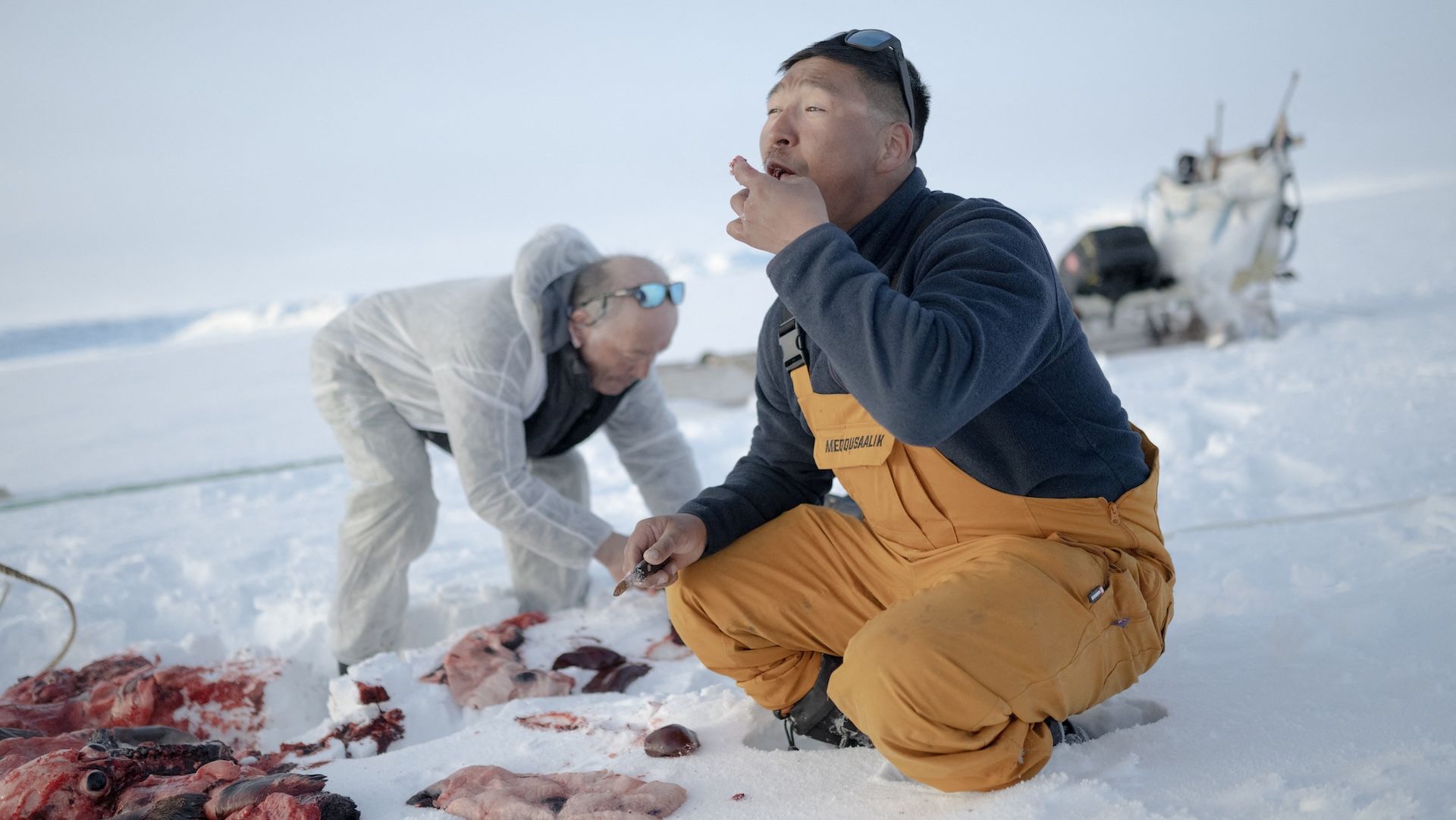
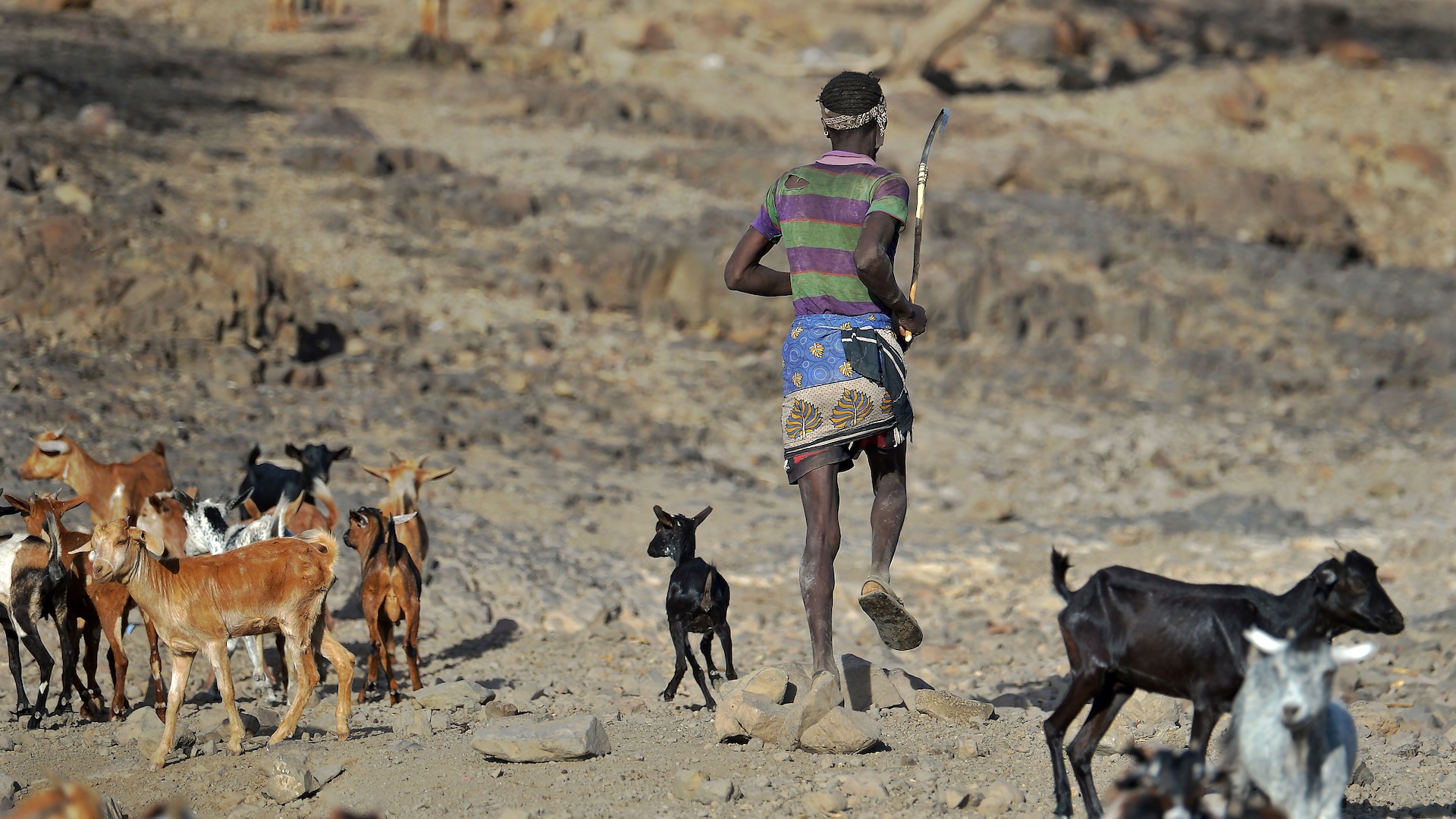
Some people, such as the Inuit of Greenland, have genes that allow them to digest fat without developing heart disease. The Turkana people herd livestock in Kenya, a very arid region of Africa. They have genes that allow them to go for long periods of time without drinking much water. Since the kidneys regulate water in the body, this action can cause kidney damage in others.
These examples show how the incredible diversity of foods people eat around the world influences evolution.
diseases that threaten us
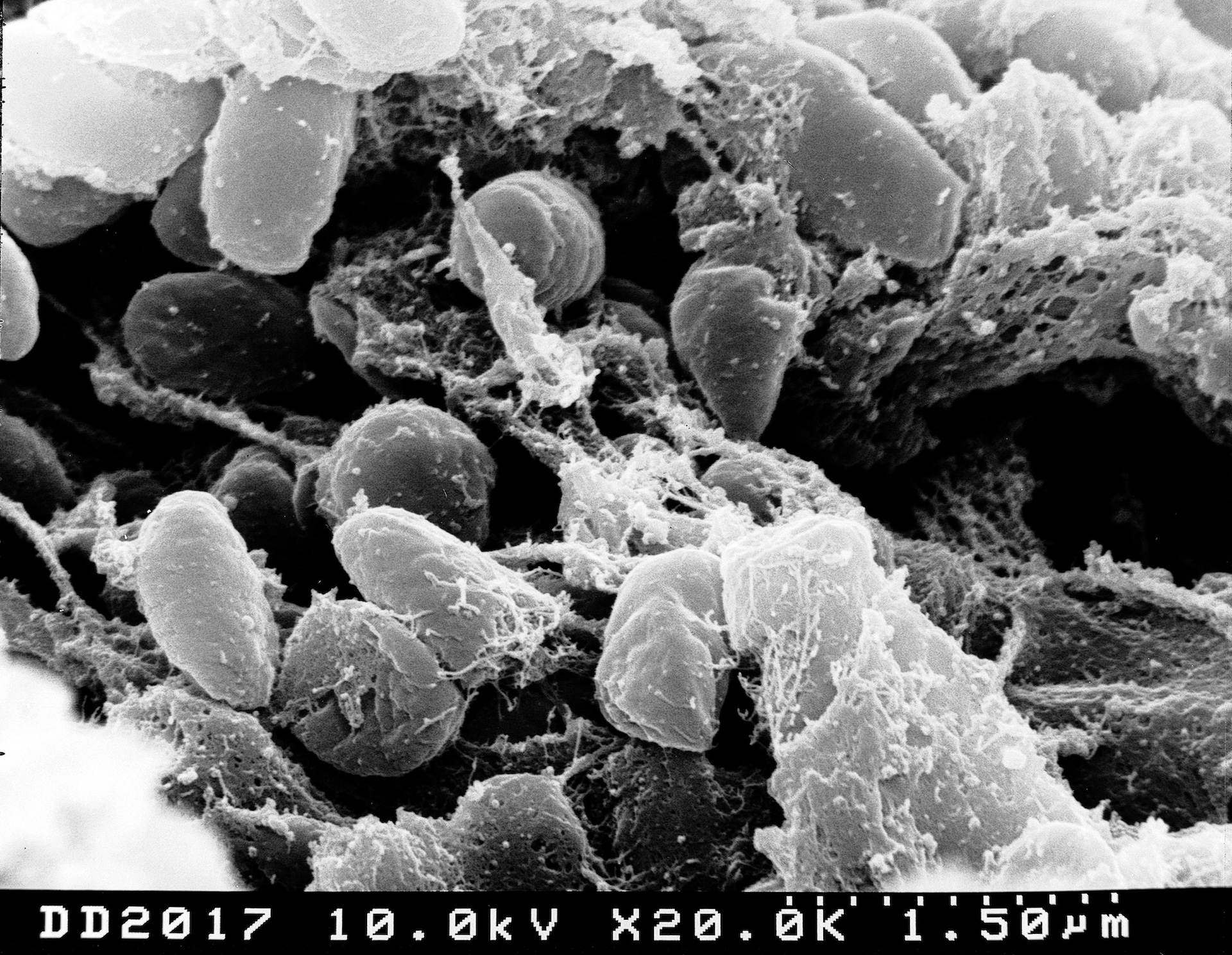
Like all living things, humans are exposed to many infectious diseases. In the 14th century, a deadly disease called the bubonic plague broke out and quickly spread throughout Europe and Asia. About a third of Europe’s population died. Many of those who survived had specific genes that conferred resistance to the disease. These people and their descendants were better able to survive the plagues that lasted for centuries.
Some diseases have emerged only recently. For example, in 2020, the novel coronavirus disease (COVID-19) raged around the world. Vaccination has saved many lives. Some people have a natural resistance to viruses based on their genes. Evolution may increase this resistance in the population, helping humans fight future viral outbreaks.
We humans are exposed to various environmental changes. Therefore, evolution in many human populations continues across generations, including the present.
This edited article is republished from The Conversation under a Creative Commons license. Read the original article.