

Close Menu
  • Home
  • Identity
  • Inventions
  • Future
  • Science
  • Startups
  • Spanish
What's Hot

China-linked DKnife AitM framework, routers targeted for traffic hijacking and malware distribution

CISA orders removal of unsupported edge devices to reduce risk to federal networks

Combat antimicrobial resistance with McGill rapid tests

Facebook X (Twitter) Instagram
  • Home
  • About Us
  • Advertise with Us
  • Contact Us
  • DMCA
  • Privacy Policy
  • Terms & Conditions
  • User-Submitted Posts
Facebook X (Twitter) Instagram
Fyself News
  • Home
  • Identity
  • Inventions
  • Future
  • Science
  • Startups
  • Spanish
Fyself News
Home » 2025’s ‘Cold Supermoon’: Why this year’s last full moon will also be the tallest
Science

2025’s ‘Cold Supermoon’: Why this year’s last full moon will also be the tallest

userBy userDecember 2, 2025No Comments3 Mins Read
Share Facebook Twitter Pinterest Telegram LinkedIn Tumblr Email Copy Link
Follow Us
Google News Flipboard
Share
Facebook Twitter LinkedIn Pinterest Email Copy Link

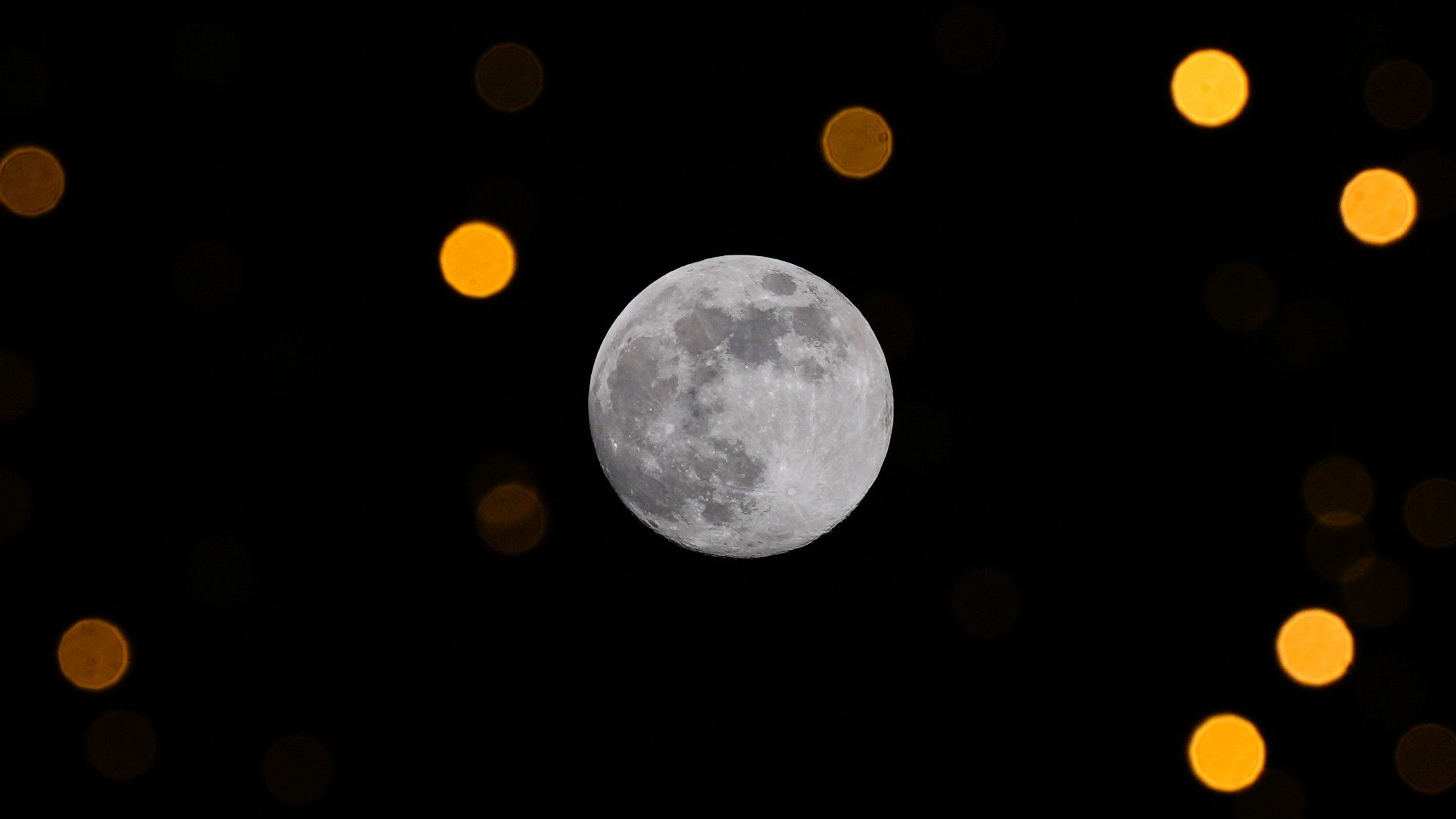
Skywatchers will be treated to a spectacular sight this week as the Cold Supermoon, the second largest full moon of 2025, rises in the east at dusk, appearing higher in the night sky than any other full moon this year.

The official full moon will be Thursday (December 4th) at 6:14pm EST, when the moon will rise in the eastern constellation of Taurus. Although the moon is technically full at certain moments, it’s most visually impressive at moonrise in your location, when the moon appears at its largest near the horizon.

This is the third of four consecutive “supermoons” and the second largest of the year, after November’s Beaver Moon. A supermoon occurs when a full moon coincides with perigee, the period when the moon is closest to Earth. Supermoons appear about 10% larger than average.

you may like

Although it will be closest to full moon at dusk on December 4th, the Cold Moon will appear bright and full on the days before and after, and will be especially impressive on Friday (December 5th) when it rises about an hour after sunset. This is perfect timing for skywatchers looking to try out a new pair of binoculars or a beginner’s small telescope this holiday season.

December’s cold moon always climbs higher in the sky than any other full moon of the year. In the Northern Hemisphere, as the winter solstice approaches on December 21st, the sun appears at its lowest point in the sky during the day. In contrast, a full moon, by definition, is on the opposite side of the sun and is highest at night.

According to the Old Farmer’s Almanac, Native American names for December’s full moon include “Frost Exploding Trees Moon (Cree),” “Oglala Moon”, “Dakota Moon”, “Winter Maker Moon” (Western Abenaki), “Cold Moon” (Mohawk), and “Long Night Moon” (Mohawk). The latter comes from the fact that this full moon is close to the winter solstice, which occurs on December 21st this year. The Old English and Anglo-Saxon names of December’s full moon, according to time and date, are Moon Before Yule and Long Night Moon.

The next full moon will be the Wolf Moon on January 3, 2026, making it the fourth and final supermoon in a row. A blue moon (the second full moon in a calendar month) will occur in May 2026, making this the first of 13 full moons that will occur in 2026.

Get the world’s most fascinating discoveries delivered straight to your inbox.


Source link

#Biotechnology #ClimateScience #Health #Science #ScientificAdvances #ScientificResearch
Follow on Google News Follow on Flipboard
Share. Facebook Twitter Pinterest LinkedIn Tumblr Email Copy Link
Previous ArticlePositioning Europe as an important hub for life sciences
Next Article Agricultural waste permanently removes chemicals from food crops.
user
  • Website

Related Posts

7,500-year-old deer headdress discovered in Germany shows hunter-gatherers shared sacred objects and ideas with the region’s first farmers

February 5, 2026

How well can AI and humans work together? Scientists are looking to Dungeons & Dragons to find out.

February 5, 2026

Saltwater crocodiles crossed the Indian Ocean to the Seychelles before humans arrived and made them extinct.

February 5, 2026
Add A Comment
Leave A Reply Cancel Reply

Latest Posts

China-linked DKnife AitM framework, routers targeted for traffic hijacking and malware distribution

CISA orders removal of unsupported edge devices to reduce risk to federal networks

Combat antimicrobial resistance with McGill rapid tests

Asian State Assistance Group TGR-STA-1030 breaches 70 governments and infrastructure-related organizations

Trending Posts

Subscribe to News

Subscribe to our newsletter and never miss our latest news

Please enable JavaScript in your browser to complete this form.
Loading

Welcome to Fyself News, your go-to platform for the latest in tech, startups, inventions, sustainability, and fintech! We are a passionate team of enthusiasts committed to bringing you timely, insightful, and accurate information on the most pressing developments across these industries. Whether you’re an entrepreneur, investor, or just someone curious about the future of technology and innovation, Fyself News has something for you.

Castilla-La Mancha Ignites Innovation: fiveclmsummit Redefines Tech Future

Local Power, Health Innovation: Alcolea de Calatrava Boosts FiveCLM PoC with Community Engagement

The Future of Digital Twins in Healthcare: From Virtual Replicas to Personalized Medical Models

Human Digital Twins: The Next Tech Frontier Set to Transform Healthcare and Beyond

Facebook X (Twitter) Instagram Pinterest YouTube
  • Home
  • About Us
  • Advertise with Us
  • Contact Us
  • DMCA
  • Privacy Policy
  • Terms & Conditions
  • User-Submitted Posts
© 2026 news.fyself. Designed by by fyself.

Type above and press Enter to search. Press Esc to cancel.