


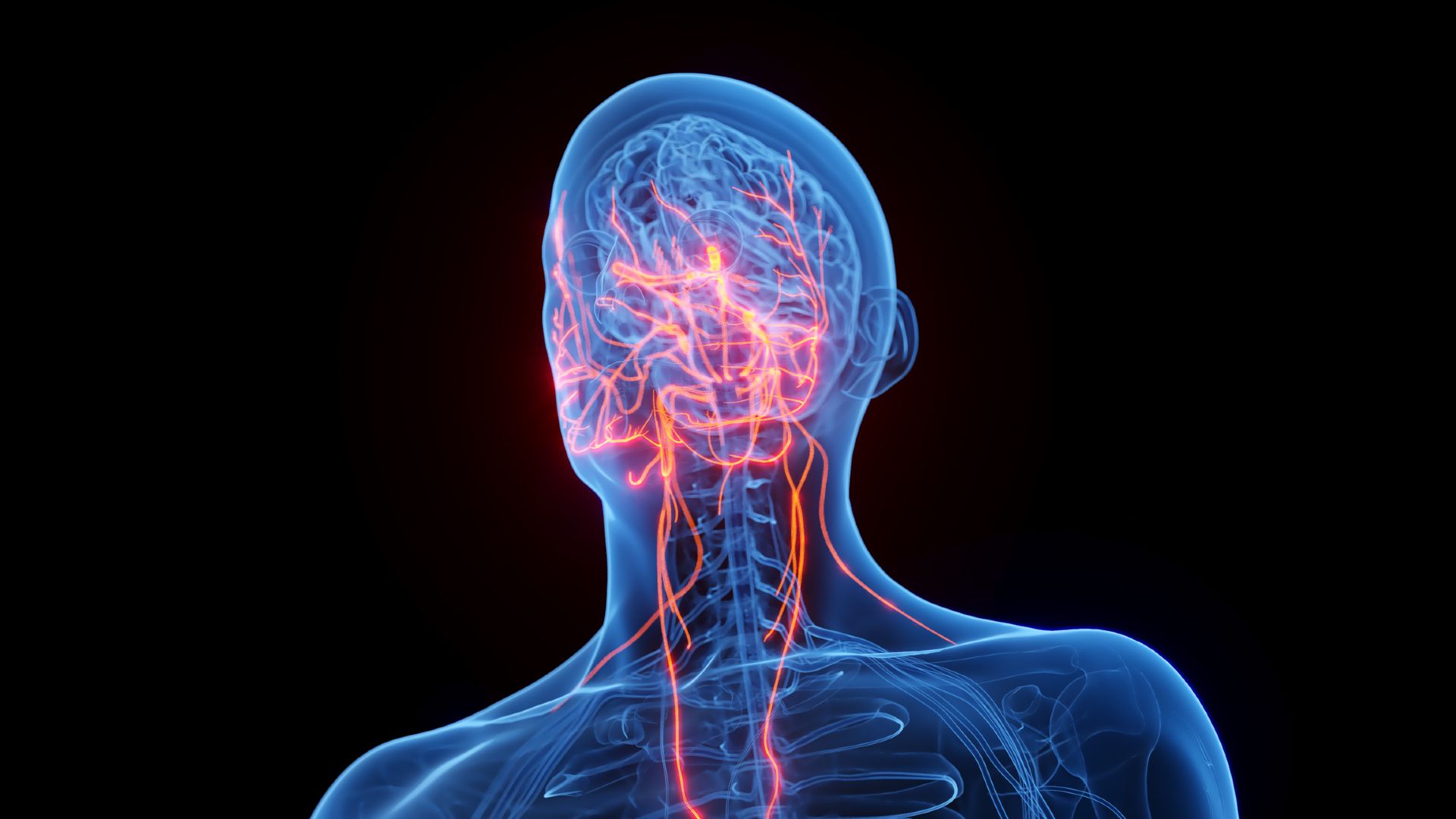
A night or two of sleep deprivation not only causes fatigue, but can also disrupt stem cells in the gut, making the organ more susceptible to inflammatory diseases, a study in mice has found.
A new study has revealed that sleep deprivation can impair intestinal stem cell function and increase the risk of inflammatory bowel diseases (IBD) such as ulcerative colitis and Crohn’s disease.
you may like
“We now have evidence that sleep is more than just sleep. [important] Not just for your brain, but for your overall health,” Dragana Roglia, a neuroscientist at Harvard Medical School who was not involved in the study, told Live Science.
An estimated 10% of adults worldwide suffer from insomnia. Chronic sleep disorders not only wreak havoc on people’s daily lives, but also lead to increased incidence of numerous chronic diseases, including IBD, diabetes, hypertension, and major depressive disorder.
More than 75% of IBD patients report experiencing sleep disturbances. In a study of more than 1,200 people whose IBD went into remission, those with sleep problems had twice the risk of relapse compared to those who were well rested. However, most research on sleep disorders has focused on the brain, so little was known about how sleep disorders affect other organs, such as the gut.
To find out how a sleep-deprived brain affects the gut, the research team focused on intestinal stem cells, which play a key role in maintaining gut health, the integrity of the organ’s lining. They deprived the mice of sleep for two days and observed that the mice’s intestines showed signs of oxidative stress. These mice had nearly half the number of stem cells in their intestines as well-rested mice, and their ability to regenerate after injury was also reduced.
“This study really showed how rapidly and severely sleep disruption damages the gut,” study co-author Zhengquan Yu, a molecular biologist at the Agricultural University of China, told Live Science.
A deeper look into the molecular changes taking place in the gut revealed that sleep deprivation is linked to increased serotonin in the guts of mice. Serotonin is important for signaling the intestines to release digestive juices and controlling muscle contractions that move food through the system. However, long-term exposure to high levels of serotonin can lead to problems such as diarrhea, inflammatory bowel disease, and tumor development. Therefore, tight control of serotonin levels is essential for a healthy gut.
In mice, sleep deprivation not only caused intestinal cells to release excessive amounts of serotonin, but also reduced the ‘reuptake’ of the molecule. This means more and more chemical messengers accumulate in the intestines. When the researchers injected serotonin into the intestines of well-rested mice, they observed changes similar to those caused by sleep deprivation.
you may like
But how exactly do brain signals associated with sleep deprivation reach the gut? Yu and his colleagues speculated that the vagus nerve, which regulates gut-brain communication under stress, may be able to bridge this gap.
To test their theory, the researchers examined the effects of sleep deprivation in mice whose vagus nerves had been severed. These animals maintained normal levels of serotonin and more intestinal stem cells compared to sleep-deprived mice with an intact vagus nerve. Blocking vagus nerve signals also protected the gut from the effects of sleep disruption. Researchers also identified the chemical messenger acetylcholine as the main signaling molecule released by the vagus nerve that causes serotonin release.
“All components of this cascade are very important as potential therapeutic targets,” study co-author Maxim Plikas, a cell biologist at the University of California, Irvine, told Live Science. Next, the research team hopes to study the cascade in miniature models of the intestine called organoids.
“To begin testing the conservation of cell types and circuits, we need to move to human intestinal organoids,” Pryx said.
Yu and his team are currently investigating the relevance of this pathway in the context of chronic sleep disorders to determine whether long-term activation of the vagus nerve may contribute to the development of cancer and inflammatory bowel disease. Ultimately, the researchers aim to develop therapies that target the vagus nerve or the molecular pathways involved to treat intestinal dysfunction in patients with insomnia.
This article is for informational purposes only and does not provide medical advice.
Zhang, M. et al. (2026). Sleep disorders cause abnormal activation of the vagus nerve circuit and induce dysfunction of intestinal stem cells. Cell Stem Cell, 33(2), 306-324.e8. https://doi.org/10.1016/j.stem.2026.01.002