
New project to improve community care across Africa
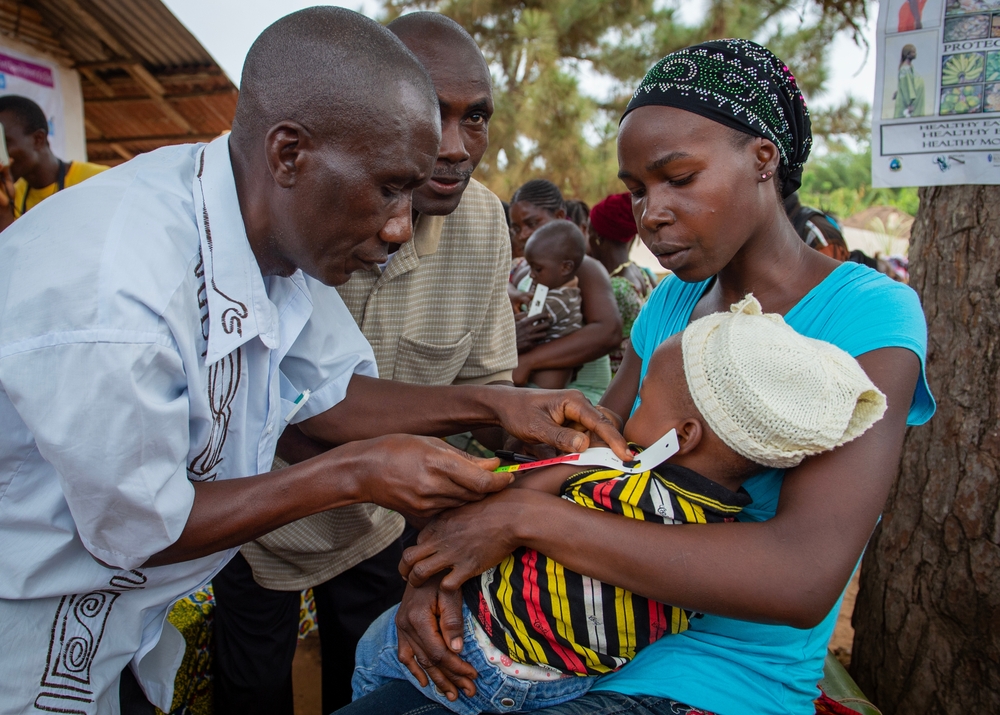
Researchers at the University of British Columbia have become the first in Canada to receive Horizon Europe funding to improve post-hospital community care for sepsis.
The team, led by Dr Matthew Wiens, will receive €5 million to help improve community care and reduce child deaths from sepsis in Uganda and Kenya.
The project is led by researchers from UBC, the Global Health Research Institute at BC Children’s Hospital and BC Women’s Hospital + Health Centre, and the BC Children’s Hospital Research Institute, and is funded through the Global Health EDCTP3 collaboration, which focuses on accelerating the clinical development of health innovations.
The project, called REConeCteD: Risk-enhanced community care after discharge, builds on the group’s smart discharge program, which leverages digital health technology to identify children most at risk after discharge from hospital and provide targeted and individualized follow-up care.
Why community care is essential for children with sepsis
Community care is critical for children in the weeks and months after they are discharged from the hospital after sepsis is suspected or proven.
Approximately 11 million people die from sepsis each year, with the majority of deaths occurring in low- and middle-income countries. Studies show that more than 1 in 20 children under the age of 5 who are hospitalized with suspected sepsis die within six months of being discharged.
“While there has been a concerted effort in East African countries such as Uganda to create referral systems that better link community care to facility-based care, the reverse is not true,” explained Dr. Matthew Wiens.
“Once a child is discharged from the hospital, there are not enough resources or strategies to inform the home community of the need for follow-up care.”
Identifying children most at risk
The project will introduce digital tools to identify and prioritize children most at risk, highlight the importance of practicing healthy behaviors at home, provide guidance on seeking community care when needed, and ensure people are connected to the health system.
One way to facilitate this is through the implementation of electronic community health information systems (eCHIS). eCHIS is a mobile application developed by ministries of health in several African countries to digitize community health services.
By digitally linking e-CHIS with a child’s electronic health record, this project will help the most at-risk children reconnect with community health workers for post-discharge follow-up.
The platform can also provide local health workers with information and education on the prevention, diagnosis, and treatment of childhood diseases.
Building digital platforms across low- and middle-income countries
The Smart Discharge Platform was originally conceived in 2011 to address gaps in post-discharge community care and find better ways to use limited resources intelligently and accurately to help as many people as possible.
Many lives could be saved if hospitals were equipped with better tools to ensure these patients thrive once they return home.
A study that enrolled more than 13,000 children in Uganda found that a smart hospital discharge platform significantly reduced post-discharge mortality.
Dr. Wiens concluded: “Following the trial, we anticipate that REConneCted will be in a position to realistically scale up nationally within the digitized region.
“We are building processes and systems that can support improved transitions of care for children from institutions to the community, even in areas where digitalization is limited.”
Source link

