


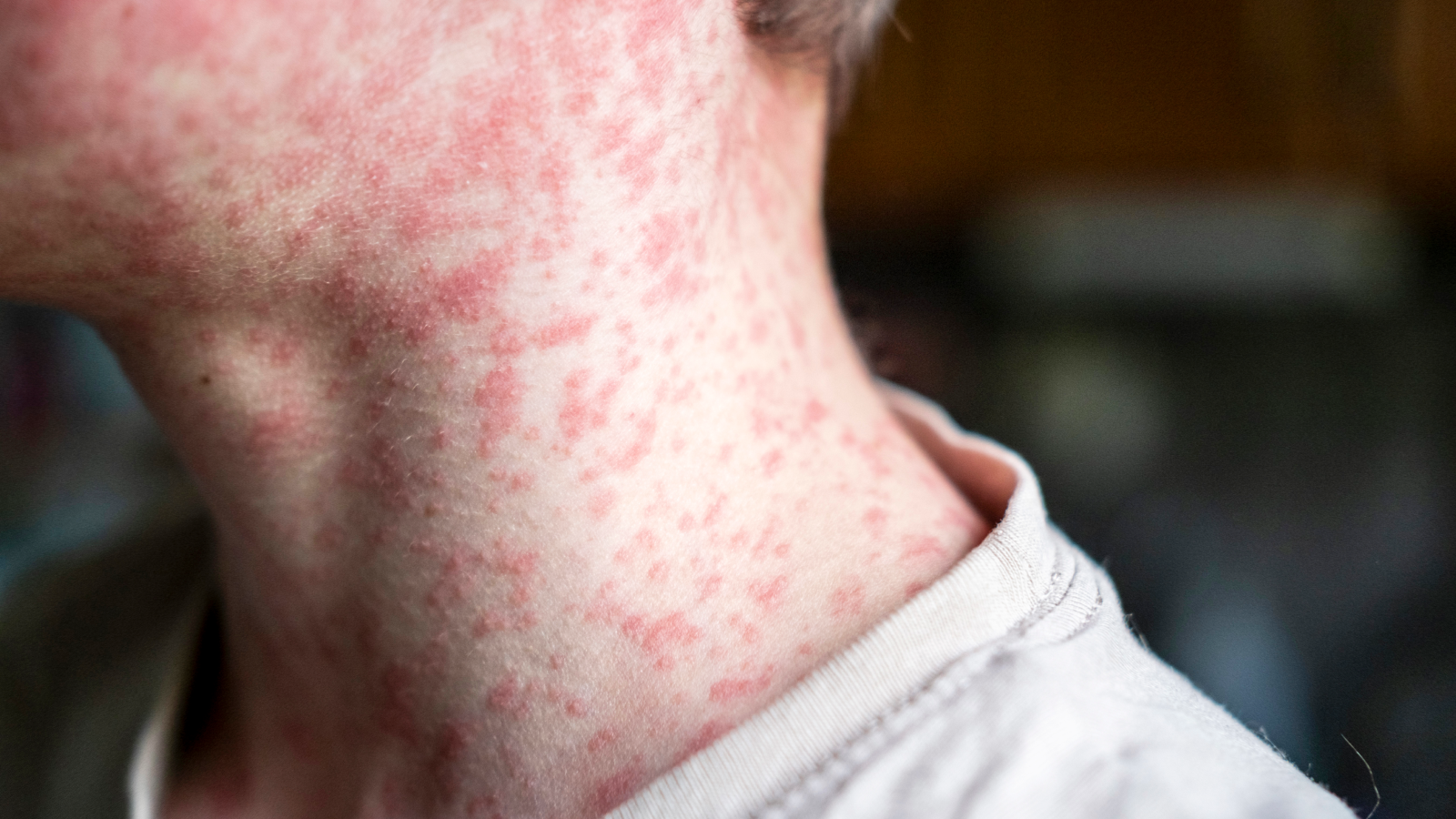
For 30 years, from 1993 to 2024, measles outbreaks in the United States were relatively rare, at most a few hundred cases a year. But suddenly, the disease has become so entrenched in American life that new outbreaks may not make headlines.
As of March 2026, measles has been circulating continuously across the United States for more than a year, starting with an outbreak in Texas that lasted from January to August 2025. Before that outbreak was declared over, an outbreak began on the Utah-Arizona border in August and continues to this day. The outbreak in South Carolina began in September, increased significantly in January 2026, and continues to this day.
Measles cases have occurred in 30 states this year. Since the beginning of 2025, 47 people have been confirmed to be infected. Health officials across the United States have confirmed 1,300 cases of the virus so far this year as of March 6, and the country is on track to surpass the 2025 number of infections, which was the highest in 35 years.
Article continues below
you may like
We study outbreak preparedness and response at the Brown University Pandemic Center and see the resurgence of measles in the United States as a grim sign of things to come.
Low levels of vaccination across the country mean that measles outbreaks will continue to occur and unvaccinated people will be needlessly hospitalized and die. But beyond these harms, the resurgence of the disease is a serious warning to the country’s ability to deal with infectious disease threats of all kinds.
Diseases that have been eliminated return
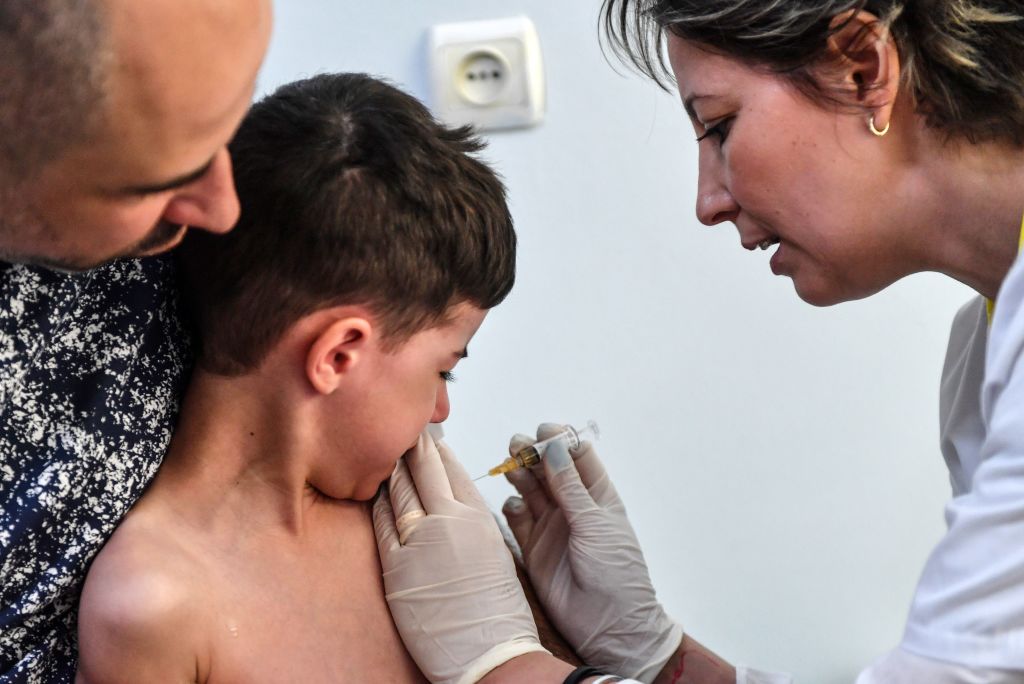
It is no wonder that measles has returned. At the root of this is a decline in vaccination rates.
About 90% of the U.S. population has been vaccinated with the MMR vaccine, which protects against measles, mumps, and rubella, but coverage is below 60% in some parts of the country. Since around 2019-2020, that overall number has fallen below the 95% required for herd immunity. While we need to maintain that rate nationally, it is equally important to maintain herd immunity at the local level to prevent measles outbreaks in some unvaccinated areas.
A country is considered measles-free if there is no continuous transmission for 12 months. This designation was achieved by the United States in 2000. The Pan American Health Organization was scheduled to decide in April whether the United States should lift its designation, but the organization postponed the meeting until November.
Current trends suggest that both the United States and Mexico, which are also battling the disease, could lose this status, as Canada did in November 2025. All three countries have vaccination coverage below the 95% threshold, and their outbreaks may share an epidemiological link.

watch on
Serious and long-term threats to U.S. health
No matter how you look at it, the continued outbreaks of measles in the United States indicate that the disease is returning with serious health consequences. In 2025, measles killed three people in the United States. This is more than any year since measles was eradicated 25 years ago.
What to read next
Of the 2,283 measles cases confirmed in Japan in 2025, 11% were severe enough to require hospitalization. In South Carolina, which reported the most measles cases in 2026, the actual number of measles hospitalizations could be higher because hospitals are not required to report when patients are admitted with measles complications.
People who recover from measles can experience complications such as pneumonia, which can be fatal, and encephalitis, where swelling of the brain can later cause hearing loss and intellectual disability. The virus also affects the immune system, and in the long term may make you more susceptible to other infections, even those you have had previously.
Rarely, measles patients can develop a progressive dementia known as subacute sclerosing panencephalitis (SSPE) two to 10 years after infection, but this is more likely if the infection was acquired as a child. SSPE always leads to death. Last year, a school-age child in Los Angeles died from the disease years after contracting measles as a toddler, before he was old enough to be vaccinated.
Measles is an economic disaster
Repeated measles outbreaks in the United States would result in high economic costs. Countries have sought to eliminate measles in part because of the clear economic benefits of stopping the virus from spreading within the country.
Studies have shown that containing measles outbreaks often costs tens of thousands of dollars per outbreak. The 2018-2019 outbreak in Washington State resulted in 72 cases, a small outbreak compared to what states are currently reporting, and cost US$3.2 million in public health response, medical costs, and lost productivity. The Common Health Coalition found that a continued decline of 1% in MMR coverage would cost the U.S. billions of dollars to the health care system and the economy as a whole.
Gateway to infectious diseases
While the recent measles outbreak is alarming, it heralds a larger systemic problem.
How a country controls measles can be seen as a proxy for how well it controls many other diseases. This is because the steps to prevent the spread of infection are the same: deploying vaccines to prevent infection, detecting and isolating infected people when they occur, identifying contacts of infected people, ensuring that people who are potentially contagious stay at home, and safely treating sick people.
However, in addition to measles, we are already seeing cases of previously suppressed infectious diseases, such as whooping cough, surging in 2024 and remaining at higher levels than before the coronavirus pandemic in 2025.
That’s because controlling the spread of many infectious diseases depends on public trust in fundamental elements of public health. Declining MMR vaccination rates reveal fundamental challenges in public support for vaccines. According to a public opinion poll conducted by the health policy organization KFF from 2023 to early 2026, public trust in the Centers for Disease Control and Prevention is also declining. Less than half of those surveyed said they had even “a lot” of trust in the government to provide reliable vaccine information.
The emerging cracks in the nation’s public health armor will complicate efforts to protect Americans from future disease threats, including outbreaks, pandemics, and biological attacks.
This edited article is republished from The Conversation under a Creative Commons license. Read the original article.