
$1.9 million grant set to improve understanding of avian influenza
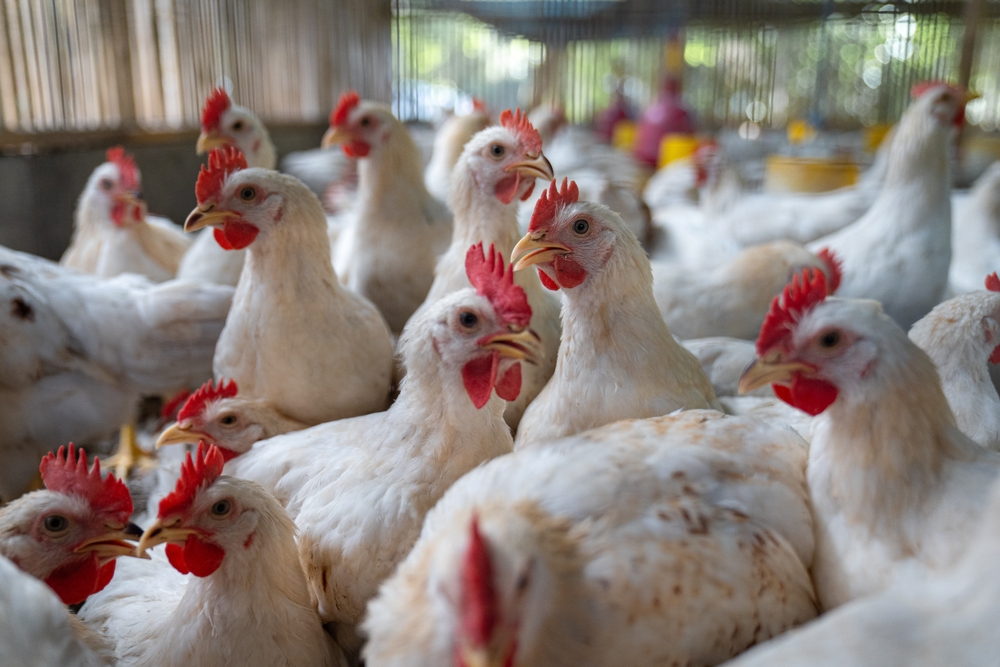
With the support of a recent federal grant, a team of microbiologists at Montana State University will spend the next three years expanding and deepening their research into avian influenza.
Avian influenza, one of the world’s most harmful agricultural viruses, will be studied using the university’s cutting-edge technology and facilities.
Associate Professor Emma Loveday of the Department of Microbiology and Cell Biology in the Faculty of Agriculture is the study’s principal investigator.
“Knowing how infections affect cells differently can help us understand how influenza viruses grow, spread, and propagate, which could open the door to treatments and prevention,” she said.
Bird flu strains are causing huge losses
Avian influenza viruses are highly diverse and originate from wild waterfowl.
HPAI strains such as H5N1 cause significant economic losses to poultry producers who must culle their flocks to stop the spread of the virus.
In addition to its impact on agriculture, over the past four years H5N1 has caused a deadly disease in wildlife in North and South America and caused more than 70 human cases, although these remain rare.
The researchers will use the funding to support research into how viral infections affect cells in the chicken intestines.
Vaccine effectiveness unknown
A number of HPAI vaccines are currently in development, but their effectiveness is still unknown, and vaccinated chickens may prevent producers from selling their meat due to food safety regulations or trade restrictions.
A more effective approach may be to better understand how the virus moves and develop ways to prevent its spread.
“How can we help the industry deal with this problem? Because when you have an outbreak on a farm, you have to kill all the birds you have,” Loveday said.
“Vaccination cannot prevent all diseases, so finding the best strategy requires a balance.”
This research will use a unique method to study avian influenza.
This new study is unique because while recent HPAI studies have seen scientists examine the effects of viruses on chickens’ overall health, the MSU project will drill down to the cellular level.
Avian influenza does not cause symptoms through coughing or sneezing, which is common for human influenza, and is transmitted through exhaled breath, feathers, and excrement where chickens, ducks, and similar birds are in close contact.
The researchers plan to develop dozens of different types of organoids (small lab-grown organs that mimic different regions of a bird’s intestine) to see how they respond to infection.
Organoids and data can also be shared with the scientific community so that others can use them for research.
Cutting-edge technology accelerates research
The MSU team will use some of the university’s most innovative facilities for their research, including MSU’s two core facilities, the Bioimaging and Analysis Core Laboratory located in the Center for Biofilm Engineering, and the Cellular Analysis Core.
Both allow detailed and precise analysis of cell behavior thanks to extremely powerful microscopes, cell sorters, and advanced computers.
The project will also utilize the Jutila Laboratory, one of the most advanced biosafety laboratories in the region.
The facility is built to the Centers for Disease Control and Prevention’s BSL-3 specifications, and the staff is fully trained to handle viruses such as avian influenza.
Mr Loveday concluded:
“With complementary expertise, we have a great team that has worked and published together in the past. Our past experience and commitment to innovative, rigorous science sets this group apart.”
Source link

