


simple facts
Milestone: Chernobyl partially melts down
Date: April 26, 1986
Location: Chernobyl, Ukraine
On April 26, 1986, operators at the Chernobyl nuclear power plant were conducting tests to see what would happen to the reactor during a power outage. And that caused the worst nuclear accident in human history.
Reactor 4 was scheduled to be shut down for routine maintenance, so operators decided to test whether the turbines could keep circulating cooling water long enough for the emergency diesel generators to operate during a power outage.
you may like
The operator began reducing power to the reactor around 1 a.m. on April 25. However, the Kiev-based operator that controls the power grid did not allow a complete shutdown because the grid needed power. Therefore, contrary to the prescribed test protocol, the reactor was kept at half power level from 2pm to approximately 11pm local time. (This decision allowed xenon to build up and destabilize the reactor.)
By the time testing resumed, inexperienced night workers were on duty. Ideally, the team should have increased the power to a higher level to stabilize the reactor before restarting the shutdown test. Instead of restoring the output, the operator accidentally reduced the output further.
By about 12:30 a.m. April 26, they noticed a sudden drop in power. They tried to increase that pressure by removing nearly all of the control rods, which are designed to slow the atomic splitting reaction by absorbing neutrons. Power levels then fluctuated rapidly, and operators took several steps to control the reaction, including temporarily lowering the water supply level.
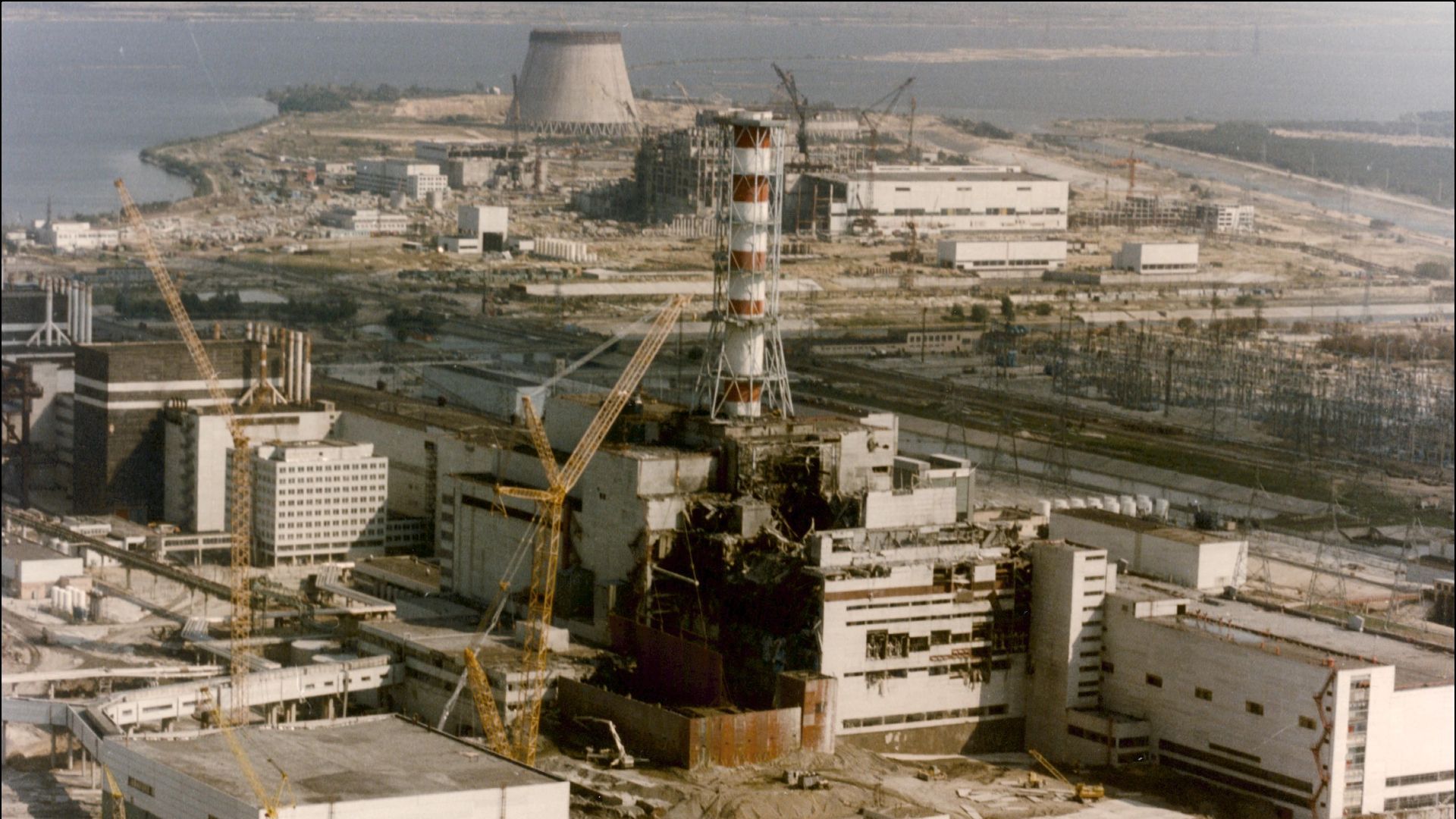
A power surge of 100 times normal was detected. Operators then attempted to lower all 211 control rods into the reactor core to control the reaction, but the control rods became stuck. At 1:23 a.m., two consecutive steam explosions blew off the roof of the building and sent radioactive material high into the atmosphere. The debris started a large fire. The reactor core was partially melted.
Hundreds of thousands of people were forced to evacuate in nearby towns. Two workers died instantly in the disaster, and several of the emergency firefighters and “liquidators” who scrambled to extinguish the fire and prevent further meltdown ultimately died of radiation poisoning and cancer. These cancers were likely caused by radioactive iodine, strontium, and cesium that seeped into the area after the explosion.
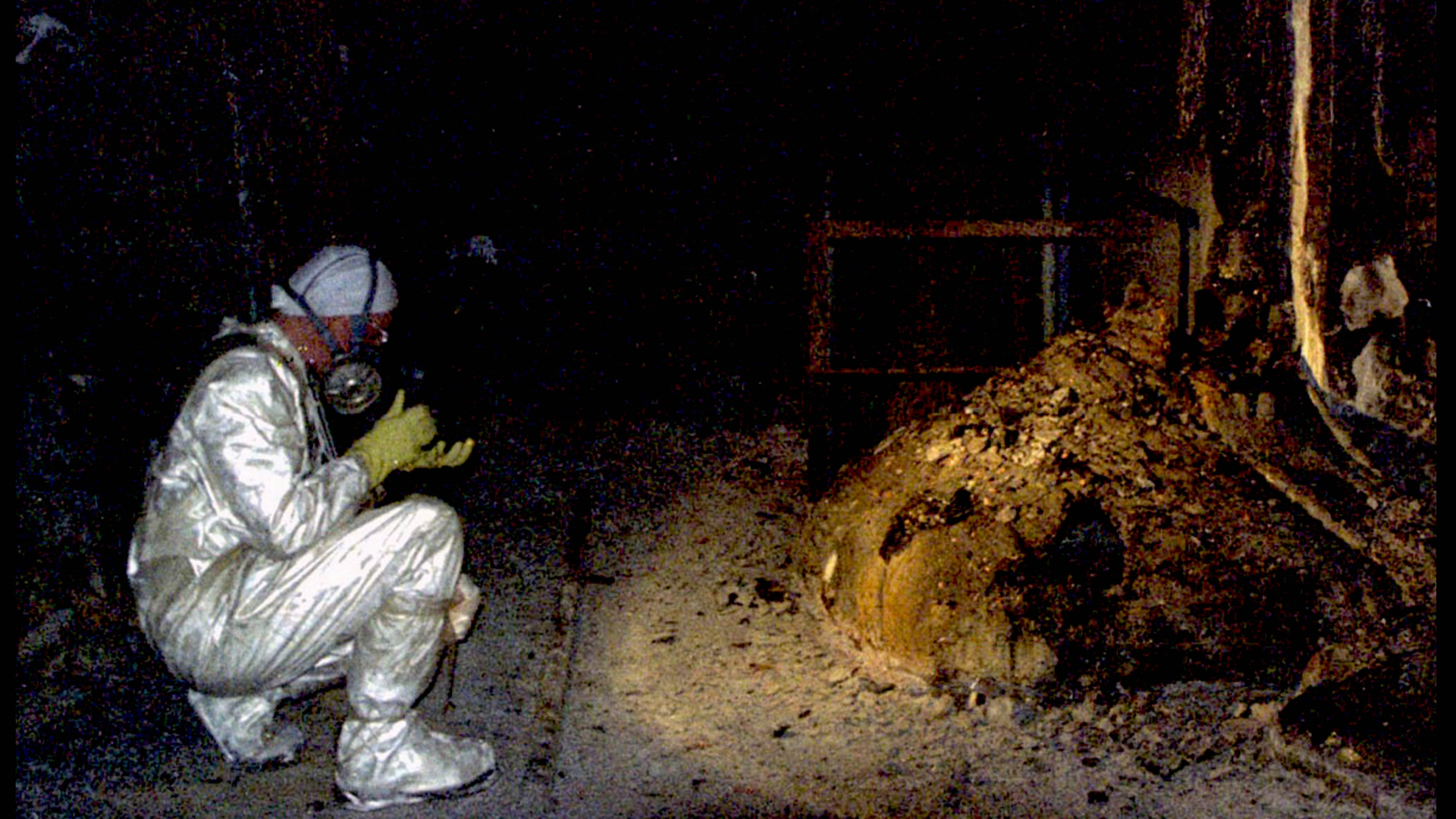
Although the former Soviet Union tried to keep the meltdown a secret, rising radiation levels were detected across Europe, especially in Scandinavia, in the weeks after the accident.
Years later, children in nearby communities experienced higher levels of thyroid cancer than were typical in the past. However, a 2000 United Nations report found that there was “no increase in overall cancer incidence or mortality that could be associated with radiation exposure.” That said, the report acknowledges that it is expected to take decades for any increase in cancer rates to show up in the data.
What to read next
Today, the 1,000-square-mile (2,700-square-kilometer) Chernobyl Exclusion Zone around the nuclear power plant is one of the most radioactive places on Earth and a nature reserve. It’s also a natural testing ground to see what happens when animals and plants are exposed to high levels of radiation, and a direct example of “evolution in progress.”
Experts have spent decades analyzing the failures that led to the disaster, including inadequate training of nuclear power plant operators and subsequent failure to adhere to safety procedures. Keeping the reactor at half power for hours didn’t help.
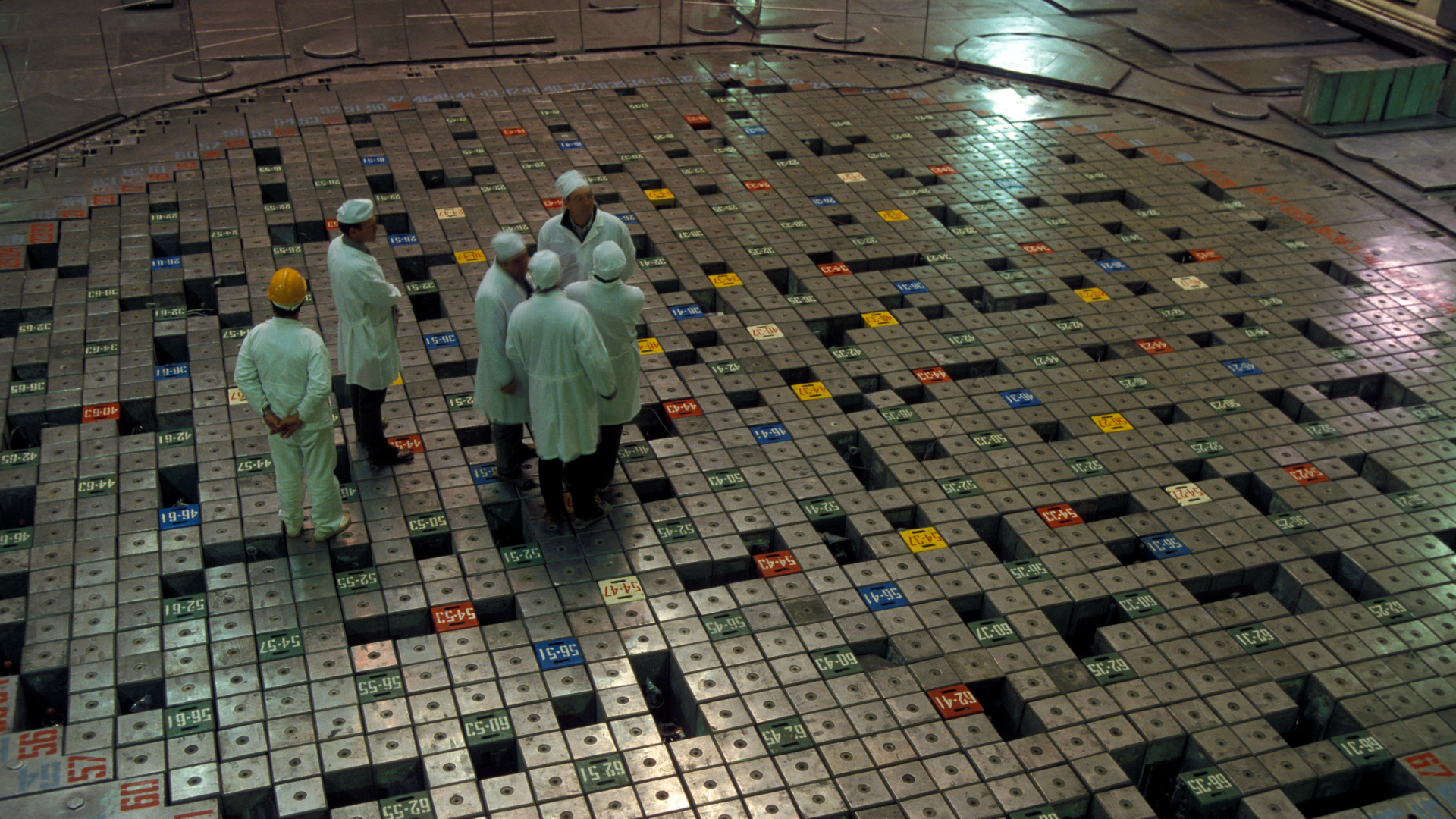
But at the heart of the meltdown was a serious design flaw in the Bolshoi Moszchinosti Kanaryny (RBMK) reactor used at Chernobyl and elsewhere in the Soviet Union. All nuclear reactors use “moderator” materials to slow down the neutrons produced by nuclear fission so that they remain in the core and facilitate further reactions, while water is used as a coolant to prevent the core from overheating and causing a runaway reaction.
In “light water” nuclear reactors, commonly used in the United States and Europe, water acts as both a moderator and a coolant. This means that as the reaction gets hotter, more water turns into steam and less water acts as a moderator, Live Science previously reported. This reaction incorporates a negative feedback loop, in which the more heat and steam produced, the less efficient fission becomes.
But in Chernobyl, graphite acted as a speed reducer. In such systems, the formation of steam heats the graphite and also accelerates the fission reaction. This creates a void where the steam can increase the reaction rate and all the cooling water can boil off quickly, creating the potential for a positive feedback loop to go out of control. This is called a “high positive void coefficient.”
Graphite embedded in the tips of the control rods didn’t help either, temporarily accelerating the fission reaction just as the operators were trying to slow it down. British officials warned the Soviet Union that the RBMK reactor had serious flaws at least nine years before the Chernobyl disaster, but most of those problems were never fixed, The New York Times reported at the time.
Russia still has some RBMK reactors in operation, but most have undergone extensive safety modifications, making such a runaway reaction theoretically much less likely.