
A new shield material that is thinner than a hair and blocks electromagnetic waves and radiation from space
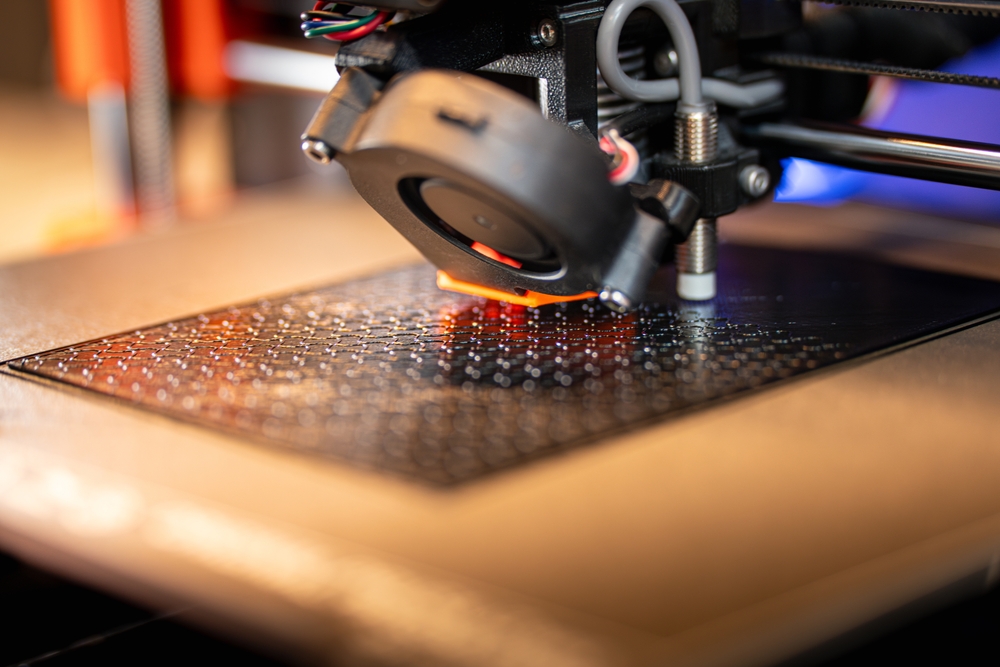
An ultra-thin, lightweight, 3D-printed high-performance shielding material composed of two nanotubes has proven effective as a shield against both cosmic electromagnetic waves and radiation.
Shielding materials are essential to protect both equipment and personnel from electromagnetic waves and radiation in major modern industrial environments such as spacecraft, nuclear power plants, semiconductor equipment, and advanced medical equipment.
However, electromagnetic waves and neutron radiation can only be blocked by separate materials, which are often heavy and inflexible.
A flexible film material that cuts 99.999% of electromagnetic waves and reduces neutron radiation by approximately 72%.
A research team led by Dr. Joo Yong-ho from the Extreme Environment Shielding Materials Research Center at the Korea Institute of Science and Technology (KIST) has developed a new lightweight solution to this problem by combining carbon nanotubes (CNTs), which block electromagnetic waves, and boron nitride nanotubes (BNNTs), which absorb neutrons, to create a shell-structured composite material that can simultaneously block both types of radiation in a single thin layer.

Furthermore, by combining this with a polymer (PDMS), we achieved a lightweight and flexible shape, demonstrating the potential for this material to evolve as a next-generation shielding material that can be applied to a variety of structures and devices. Although it is thinner than a human hair, it is elastic like rubber, making it suitable for 3D printing.
Shields made of this material are effective even when stretched to twice their original length, and can be even more effective when 3D printed into specific shapes. Testing has shown that printing on a honeycomb structure provides up to 15% better shielding than a flat surface. It can also withstand temperatures of -196℃ to 250℃, allowing stable use in extreme environments such as space.
Transforming the space, energy, and medical industries
Customizable shielding technology has potential applications in satellites, space stations, nuclear facilities, cancer treatment devices, wearable protective clothing, and more.
Dr. Joo Yong-ho from KIST said, “This material represents a completely new concept in shielding technology. It is thin like tape and flexible like rubber, yet blocks both electromagnetic waves and radiation at the same time.” “This technology is important for securing the advanced materials needed to realize the Space Age and establishing a domestic production base. We would like to further improve performance by optimizing the structural design and actively apply it to actual industrial sites.”
This research was carried out as part of the KIST Major Project, the Individual Basic Research Program of the National Research Foundation of Korea (RS-2026-25468694), the G-LAMP Program (RS-2024-00443714), and the GNU Aerospace and Defense Research Institute project, with support from the Ministry of Science, Information and Communications and the Ministry of Education.
The research results were published in the latest issue of the international journal Advanced Materials.
Source link

