
The hantavirus outbreak is not “another new coronavirus”
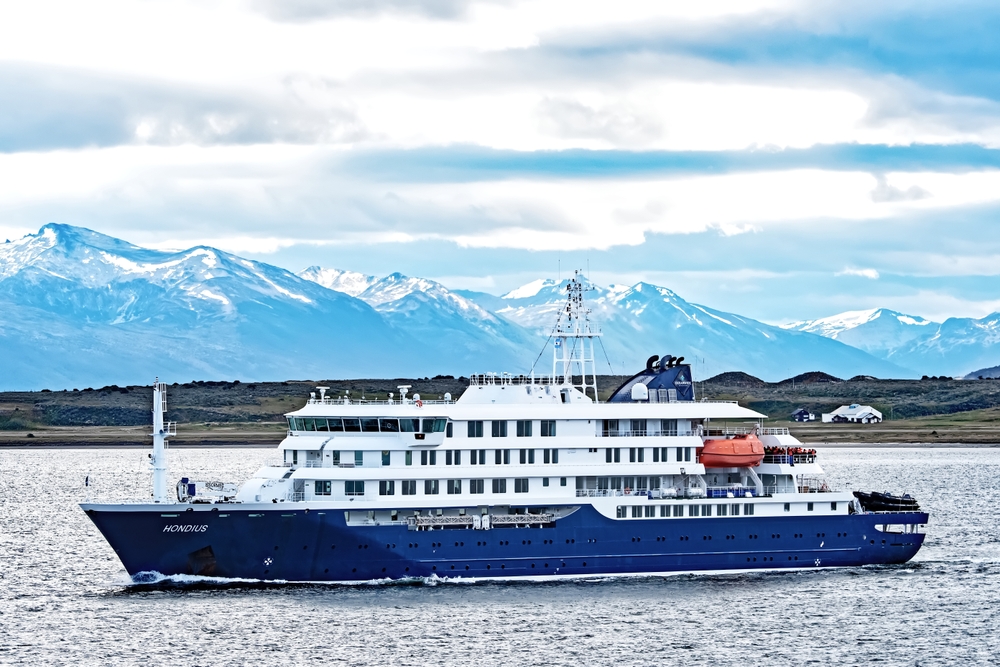
Authorities are trying to trace at least 29 passengers from the MV Hondius who disembarked after the first death occurred on April 24, but the World Health Organization asserted that “this is not the beginning of a pandemic.”
The global battle continues as authorities search for at least 29 passengers from 12 countries who disembarked from a cruise ship due to an outbreak of hantavirus, leaving three dead and five seriously ill.
The Dutch cruise ship set sail from Argentina on April 1, carrying 196 passengers and 72 crew members, with plans to visit Antarctica and several islands. Approximately 150 passengers took part in this special voyage, most of them from Europe and America, and staff from the Philippines.
What is hantavirus?
This term refers to a group of viruses that are primarily carried by rodents. One particular strain, Andes virus, is primarily found in South America, where cases of zoonotic transmission from animals to humans have been confirmed. Andes virus is the main cause of hantavirus pulmonary syndrome (HPS), a serious condition characterized by flu-like symptoms that can rapidly progress to life-threatening respiratory failure. On May 6, it was confirmed that the current outbreak in South Africa was caused by the Andes virus.
Unlike COVID-19, hantaviruses are not transmitted from person to person, but through exposure to the feces, urine, or saliva of infected rodents. This mode of transmission greatly limits the potential for widespread human-to-human transmission.
In its message, WHO makes clear that hantaviruses do not pose the same pandemic risk as new respiratory viruses such as SARS-CoV-2. Rather, hantavirus outbreaks tend to occur locally and are associated with risks of environmental exposure.
Despite these differences, the severity of HPS, and cruise ship itineraries that include multiple international ports of call, complicate efforts to track and monitor potentially infected individuals.
Coordinating multinational responses
Governments and health agencies use a combination of passenger lists, immigration records, and travel data to identify at-risk individuals.
Several countries have issued warnings and urged former passengers to undergo medical examinations and report any symptoms immediately. Public health messages emphasize that hantaviruses cannot spread from person to person, but identifying potentially infected people is essential to prevent delays in diagnosis and proactively manage clinical care.
The main symptoms of hantavirus infection are:
Fever, muscle pain, dizziness, and difficulty breathing.
Early detection is important for effective treatment and improved survival rates. Treatment primarily involves intensive respiratory support, including mechanical ventilation in severe cases.
Researchers continue to study the hantavirus strain responsible for the current outbreak to better understand its pathogenesis and develop improved diagnostic tools. Port cities visited by cruise ships are also undergoing increased surveillance to detect secondary infections that may be related to environmental exposure.
Now, Spain has agreed to allow the ship to enter the Canary Islands after Cape Verde rejected the request citing public health concerns.
As WHO Director-General Tedros Adhanom Ghebreyesus said at a May 7 press conference, infectious disease experts and doctors are part of the response team. He warned that more cases could emerge due to the virus’ six-week incubation period, but reiterated that “at this stage, the overall public health risk remains low.”
“This is not the beginning of an epidemic. This is not the beginning of a pandemic. This is not a new coronavirus,” said Maria van Kerkhove, WHO’s deputy director for epidemic and pandemic management. “Hantaviruses have been around for quite some time. We know about this virus. It doesn’t spread in the same way as the coronavirus.”
Source link

