
Verralize Rapid Pathogen Detection on Farms
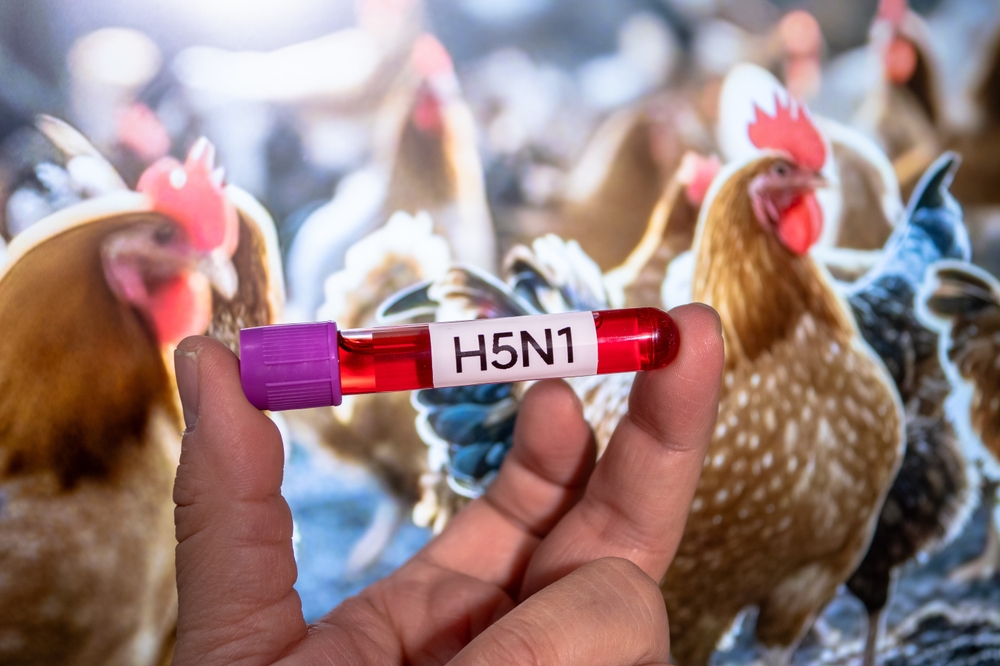
Verralize’s portable biosensor tests enable rapid pathogen detection for animal health, biosecurity monitoring, and early One Health surveillance.
For livestock producers, veterinarians and biosecurity teams, delayed responses can have real operational implications. When an infection is suspected in a herd, herd, or mixed animal environment, the time between sampling and treatment determines whether the problem is contained early or allowed to spread. Traditional laboratory workflows remain essential, but often require sample transportation, batch processing, and centralized processing, which can slow practical decision-making in the field.
At Verralize Precision Testing, we have developed a portable biosensor platform that addresses this issue. Our device is a handheld system built around a modular 8-sensor array, with new prototypes incorporating 16- and 32-sensor configurations. The platform uses a universal architecture that can be functionalized against H5N1, PRRS, and other potential targets. Verralize is designed for rapid, point-of-need pathogen detection. It supports quantitative multi-pathogen testing with minimal sample preparation and provides results in approximately 10-15 minutes in the field using artificial intelligence/machine learning (AI/ML)-based analysis algorithms. If the user wishes, the results can be instantly shared with interested animal health professionals, helping to manage endemic diseases and prevent pandemics.

Detection challenges
Animal health and biosecurity teams increasingly need rapid, field-deployable tools that can support outbreak response, routine monitoring, and rapid operational screening. In reality, the question is not simply whether a pathogen can be detected, but whether results can be obtained quickly enough to guide containment, movement control, cleaning, treatment planning, or escalation to confirmatory testing.
This is particularly relevant for targets such as highly pathogenic avian influenza (H5N1) and porcine reproductive and respiratory syndrome (PRRS), where speed, portability, and ease of deployment greatly improve response time. Our platform is designed to meet that need with reusable analyzers, disposable consumables, modular sensor arrays, and algorithm-assisted signal analysis that fit real-world farm and veterinary workflows.
our innovative approach
The core of our platform is a multiplexed array of nanocarbon-based sensors designed for selective RNA/DNA hybridization and early detection of pathogens. This architecture supports both single-target and multi-target configurations, allowing the same handheld system to be adapted to different pathogen targets and sampling environments. Rather than creating individual devices for each assay, we are building a reusable biosensor platform that can be configured across multiple animal health and biosecurity applications.
Platform logic is important. When it comes to animal health, we position our system as a test for multiple diseases. It is a broader field-deployable diagnostic and monitoring tool that can support veterinary testing, biosecurity screening, and early warning at animal-human interfaces.
Main technical components
The main technical components are:
Sensor chemistry: Nanocarbon-based electrochemical sensors configured for pathogen-specific target detection. Detection mechanism: voltage-based electrochemical signaling with algorithm-assisted analysis. Multiplexing: A modular multi-target format built around an eight-sensor architecture, with next-generation high-density arrays in development. Analysis time: approximately 10-15 minutes from sample introduction to results. Sample types: animal oral swabs, oral fluids, lavage fluids, saliva, and associated veterinary or biosecurity sampling matrices. Target Analytes: Our current animal health focus is H5N1 and PRRS, with potential for broader platform expansion.
system architecture
Our complete platform consists of three main components:
Reusable analyzer: A portable device with built-in electronics, signal processing, and user interface. Disposable sample cup: A disposable container for sample introduction. Sensing Grid: A disposable consumable that contains a multiplexed sensor array that interfaces with both the sample and the analyzer.

This modular design supports consistency, ease of use, and field deployment while working with reusable analyzer and single-use consumable models suitable for point-of-need testing. Our workflow follows a simple 4-step process. Connect the analyzer to the Verralize app, collect a sample, insert the sensing lid, run the test, and receive results in approximately 10 to 15 minutes before the used disposable component is disposed of. Verralize tests also decontaminate active viral and bacterial components during the testing process, supporting safer handling and disposal of used components. This simplicity is important in veterinary and farm environments where test tools need to be adapted to real-world operational settings rather than adding unnecessary complexity.
Validation and current animal health applications
We are currently working with users to validate the Verralize platform to prioritize animal health use cases such as H5N1 and PRRS. In our current agro-veterinary research, H5N1 is being tested in oral swabs of animals and PRRS is being tested in oral fluid of pigs. These validation studies will help define how the platform can be applied across additional animal health sampling contexts.
Regarding H5N1, we confirmed detection in the washing liquid of cotton swabs taken from chickens, dogs, and cats. Alpha testing is being conducted at a BSL-3 laboratory in Poland to support CE certification and generate independent validation data on the performance of this platform. For PRRS, successful blind testing of difficult piglet-derived samples identified and mitigated hemoglobin interference, leading to refined saliva collection guidance. We also believe there is clear value for environmental and biosecurity sampling of PPE, tools, vehicles, and aquariums, as traditional PCR workflows can be too time-consuming or too intensive for use in daily practice.
A broader validation story strengthens trust in the underlying platform. Verralize’s platform has already been used to validate the detection of the agricultural virus PVY (Potato Virus Y), with 99% concordance with qPCR results. For SARS-CoV-2 clinical testing, the platform demonstrated 97% sensitivity, 99% specificity, and 98% accuracy across 274 clinical samples collected in both the United States and Nigeria. Although these datasets come from a variety of applications, they support the reliability of the underlying sensor platform and its adaptability across multiple targets and sample matrices.

Polish strategic verification partner
For H5N1, assay development is progressing through a strategic validation partner in Poland. Alpha testing at Poland’s BSL-3 laboratory has helped confirm H5N1’s performance after initial matrix interference issues were resolved. We are also in contact with U.S. veterinary laboratories to perform additional viral and bacterial assay validation testing. In parallel, we are reviewing the user experience of our platform, with a focus on maintaining workflow simplicity for field and veterinary use.
These relationships strengthen the platform’s relevance for commercial, veterinary and partnership discussions, especially when external validation is an important sign of progress. It also supports the broader goal of building a more user-friendly platform that works under real-world conditions as well as controlled internal test environments.
Applications and use cases
Our portable animal health platform addresses multiple practical applications across veterinary diagnostics and agricultural biosecurity, including:
• On-farm screening: Rapidly assess suspected infections in poultry and swine environments.
Veterinary Field Diagnosis: Point-of-need support for mobile and practice-based veterinary teams. Biosecurity monitoring: testing of PPE, tools, vehicles, and water tanks. Monitoring programs: herd, herd, and environmental monitoring workflows. Pre-movement and outbreak response testing: Conduct faster operational screening before confirmatory central laboratory analysis.

This platform is particularly valuable in time-sensitive environments where waiting several days for test results can delay containment decisions, escalation pathways, and follow-up sampling strategies. In practical terms, this means allowing users to more quickly decide when to isolate, retest, clean, monitor, or escalate to confirmatory testing.

Market impact and positioning
We see this platform at the intersection of veterinary diagnostics, agricultural biosecurity, and distributed pathogen surveillance. Our differentiators’ rapid response, minimal training, portability, modular sensor design, and environmental sampling relevance directly address unmet needs in on-farm herd monitoring, veterinary field diagnostics, biosecurity monitoring, slaughterhouse and pre-movement clearance, and broader surveillance programs. Veterinary medicine fields, clinical use, and environmental spot testing also provide practical entry points for early adoption and real-world performance generation.
We are not developing our platform as a replacement for clinical testing. Instead, we are building it as a rapid, field-deployable screening and decision support tool that can improve screening coverage, accelerate response, and enhance point-of-occurrence surveillance. We also intend to maintain a competitive price point to enable adoption of our platform in a wide range of markets, including resource-constrained environments. As such, it is relevant not only to producer and veterinary organizations, but also to animal health companies, agricultural biotechnology partners, and organizations seeking a practical One Health monitoring tool.
conclusion
Animal health is entering a period where rapid detection, decentralized testing, and practical monitoring tools will become increasingly important. H5N1, PRRS, and related biosecurity threats require systems that can operate faster than traditional centralized workflows while remaining robust enough for practical agricultural applications.
Verralize Precision Testing is developing a portable biosensor platform to meet that need. With our modular nanocarbon-based sensor architecture, simple 10-15 minute workflow, early application data across H5N1 and PRRS, extensive validation across agricultural and clinical sites, and external validation support in Poland, we believe we are building a practical new tool for rapid veterinary diagnostics and biosecurity monitoring. Our focus is simple. Deliver answers quickly when you need them, support better operational decisions, and help strengthen the oversight that matters most and is most relevant.
Please note: This is a commercial profile
This article will also be published in the quarterly magazine issue 26.
Source link

