
Strengthening European pasture-raised livestock through digital innovation
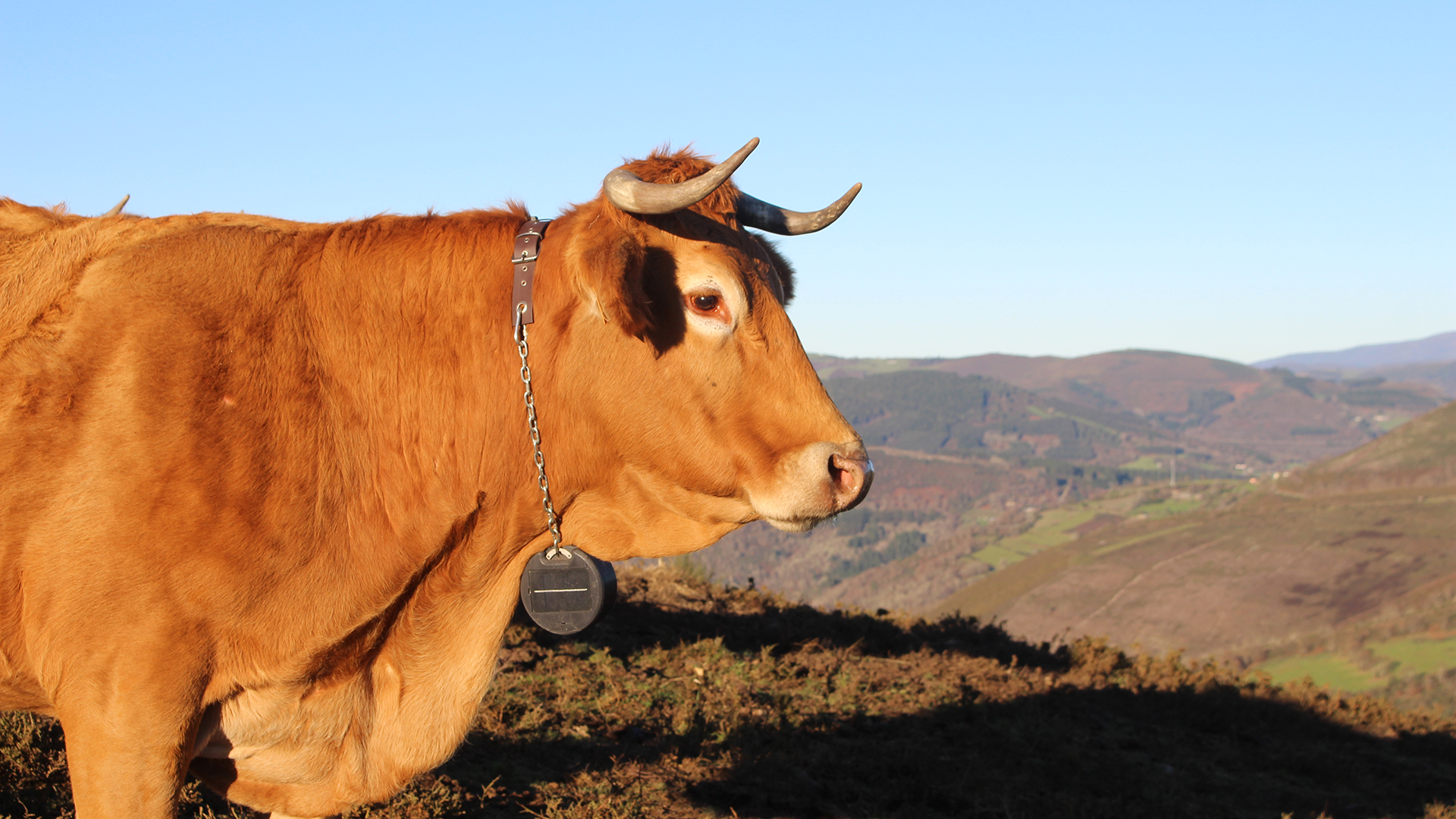
DIGI-Rangeland is working with local stakeholders in several regions of Europe to test new approaches to rangeland sustainability.
Rangeland livestock systems (RLFS) are large-scale livestock systems that utilize natural and semi-natural landscapes such as grasslands, shrublands, and open pastures for grazing. In addition to producing food, these systems play an important role in maintaining biodiversity-rich habitats, preserving traditional rural landscapes, and sustaining communities in areas where other agricultural activities are often restricted. Pasture farming is therefore increasingly recognized as an important contributor to Europe’s sustainability ambitions, including the targets set out in the European Green Deal. Reflecting this growing recognition, the United Nations General Assembly has declared 2026 the International Year of Rangelands and Pastoralists (YRO), highlighting the global importance of these ecosystems and the communities that depend on them.
However, the future of these systems faces increasing uncertainty. Farmers managing rangelands must deal with challenges such as climate change, changing pasture conditions, economic pressures, and the slow decline of rural populations. Addressing these issues requires stronger support networks, knowledge exchange, and new ways to monitor and manage complex rangelands. In this context, innovative technologies and digital tools are emerging as valuable allies for farmers to make better informed decisions and improve the long-term resilience of rangeland livestock. The DIGI-Rangeland project was launched within this framework and aims to explore and develop practical digital solutions to support farmers and stakeholders working in rangeland systems.

DIGI-Rangeland’s role in transforming rangeland practices
DIGI-Rangeland is a four-year interdisciplinary research project aimed at enhancing digital innovation in rangeland livestock systems (RLFS). The project will establish an innovative network focused on digital technologies and data-driven solutions for farmers and land users in rangeland regions to address challenges that threaten their viability. The project uses a multi-actor approach across 11 countries to identify practitioner needs and barriers, and assess and promote effective digital solutions to ensure the resilience and sustainability of these systems.
The DIGI-Rangeland consortium brings together a diverse group of research institutes, universities, advisory boards and innovation organizations from across Europe, combining expertise in livestock systems, rural development and digital technologies. The project is coordinated by Germain Tesnière from the leading research institution Institut de l’Élevage (France).
The network includes coordinators and multidisciplinary institutions across France, Spain, Romania, Greece, Croatia, Slovenia, Bulgaria, Iceland, Norway, the United Kingdom, and Switzerland. This wide geographical scope brings together a rich diversity of rangeland situations and agricultural realities, from Mediterranean and Balkan landscapes to Atlantic, Northern European and Alpine regions, and facilitates knowledge exchange and collaboration across very different environmental and socio-economic conditions.
A central role within the DIGI-Rangeland project is played by national facilitators, who act as a key link between the project and thematic networks in each participating country. They are responsible for coordinating and activating the national community of farmers, land users, advisors, researchers and other relevant stakeholders, fostering cooperation and facilitating the exchange of knowledge and practical experience.
From challenges to digital solutions
Through a series of national and cross-border workshops hosted by national facilitators, farmers, advisors, researchers and other stakeholders will come together to identify key challenges in rangeland livestock systems and consider possible responses. These participatory spaces enable the exchange of experiences across different contexts and support the co-design of digital transformation and innovation (DTI) solutions tailored to the real needs on the ground.
The process is already well underway, with the first multinational workshop (1TNW) to be held in Romania in November 2025, and the next one scheduled for late June 2026 in Iceland. In parallel, a second round of national workshops was held in spring 2026 to further strengthen national discussions and refine locally relevant issues.
This process follows four main stages: identification, exchange, solution, and demonstration. In the identification phase, local issues are collected directly from practitioners and land users. These are then shared and discussed in national and cross-border interactions, where common patterns and innovative ideas are explored. In the resolution phase, specific DTI approaches are proposed, including technologies such as GPS tracking systems, drones, camera traps, environmental sensors, and virtual fences. Finally, the demonstration phase will focus on testing and showcasing these solutions through hands-on activities, training sessions, and field demonstrations aimed at farmers, advisors, students, and other end users to ensure that the innovations are accessible and practical.
Please note: This is a commercial profile
This article will also be published in the quarterly magazine issue 26.
Source link

