
First Hydrogen finalizes design and intellectual property protection for enhanced ground drone with amphibious capabilities
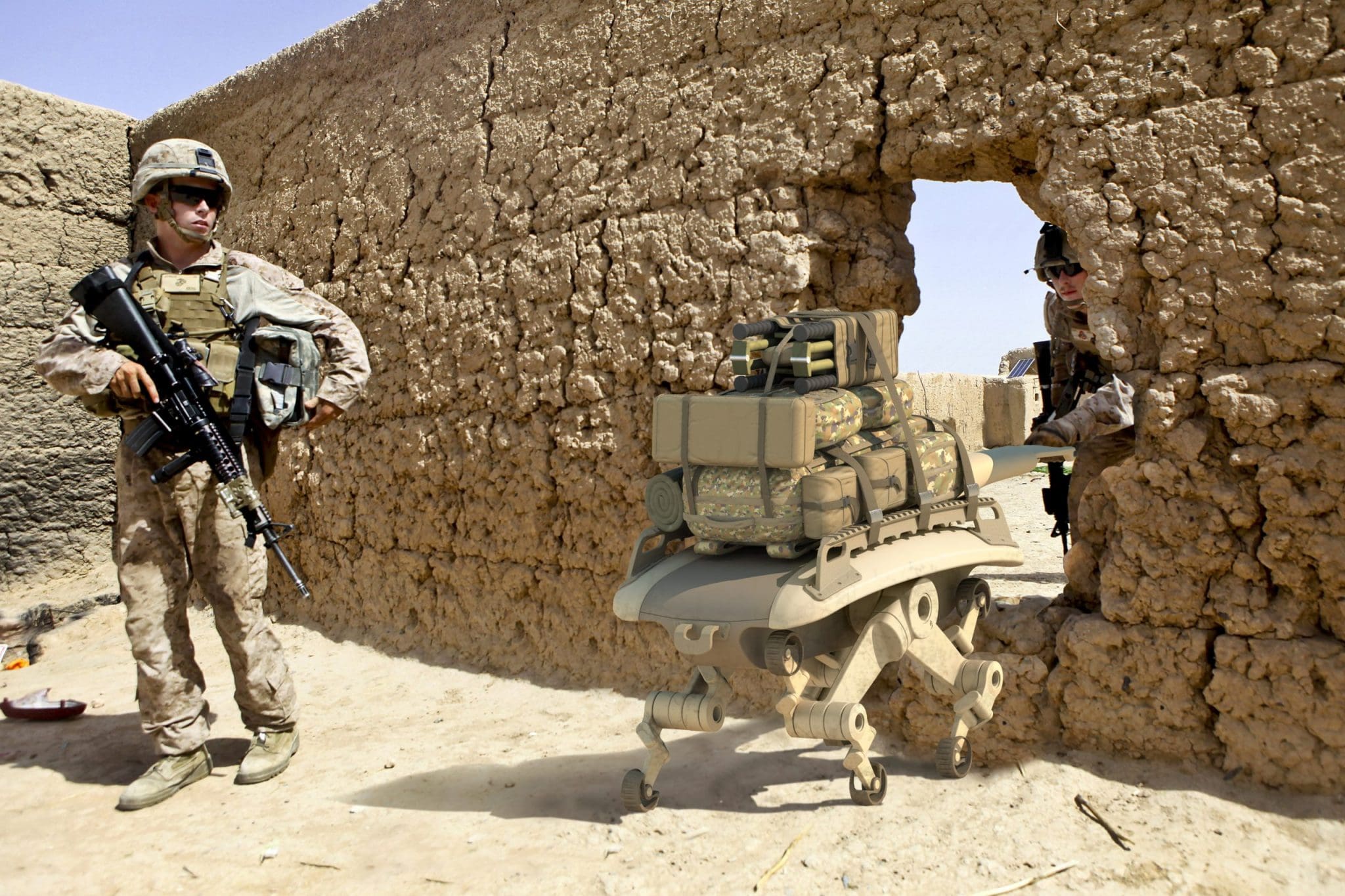
First Hydrogen Corp. is pleased to announce the successful completion of critical performance and efficiency optimization design and intellectual property (IP) protection, including amphibious capabilities, for an unmanned ground drone platform (“UGV”).
Current UGV technology generally falls into two categories. On the one hand, there are heavy and expensive autonomous vehicles that, while rugged, are expensive, heavy, and have limitations in navigating complex terrain. The other is a quadrupedal robotic system. They lack robustness and are limited by low speed, limited payload, and limited range.
First Hydrogen’s UGVs are designed to fill a recognized gap in the industry by providing an extremely rugged, amphibious-capable, medium-sized, yet lightweight platform designed specifically for demanding environments and high-speed operations. The latest upgrades are designed to significantly improve traction and the UGV’s ability to traverse steep and gently rolling terrain, while increasing energy efficiency.
Based on a review of the company’s existing technology and patent applications, First Hydrogen believes the industry has long recognized the need for a ground mobility platform that can combine rugged terrain performance, payload, range and operational simplicity. We believe our approach is designed to address this need with a simpler, more robust and scalable solution with AI integration.
Dedicated modular architecture
At the core of the UGV is a patented foldable chassis architecture featuring eight articulated semi-robotic legs with integrated leg wheel assemblies. This hybrid leg-wheel design allows for continuous four-point ground contact, providing superior stability, maneuverability, and speed across terrain typically touched by traditional wheeled or tracked systems.
The platform’s hot-swappable mission modules allow operators to quickly transition between roles such as logistics cradles, ISR sensor masts, drone launch and recovery systems, refueling stations, and other payload interfaces. Interchangeable components that are identical in all positions reduce manufacturing complexity, improve serviceability, and support high-volume production efficiency.
UGVs are also designed for durability and range, with structural redundancy and mass-efficient construction to carry meaningful payloads, reduce overall system weight, and travel more distance per charge than traditional articulated quadrupedal systems.
Responding to a large and growing market
UGVs are positioned to serve multiple high-growth sectors from the outset, including industrial automation, security, defense, and last-mile delivery. Remote and hazardous industrial environments such as pipelines, mines, offshore facilities, and heavy manufacturing sites continue to face rising safety, compliance, and operating costs. Autonomous ground systems provide a profitable solution by improving safety while reducing manpower and downtime.
At the same time, global demand for unmanned systems in defense and critical infrastructure protection continues to accelerate as governments and operators seek continuous situational awareness without putting personnel at risk. A ground platform that can deploy and support aviation assets directly from the field significantly increases operational range.
According to Mordor Intelligence, the global robot market was estimated at approximately USD 88.27 billion in 2026 and is projected to reach approximately USD 218.56 billion by 2031, corresponding to a compound annual growth rate of 19.86%. This growth is being driven by increased automation, labor shortages, logistics and warehousing demands, and increased adoption of robotic platforms in industrial and commercial applications.
Source link

