
SpaceX cancels Starship V3’s first launch just before launch
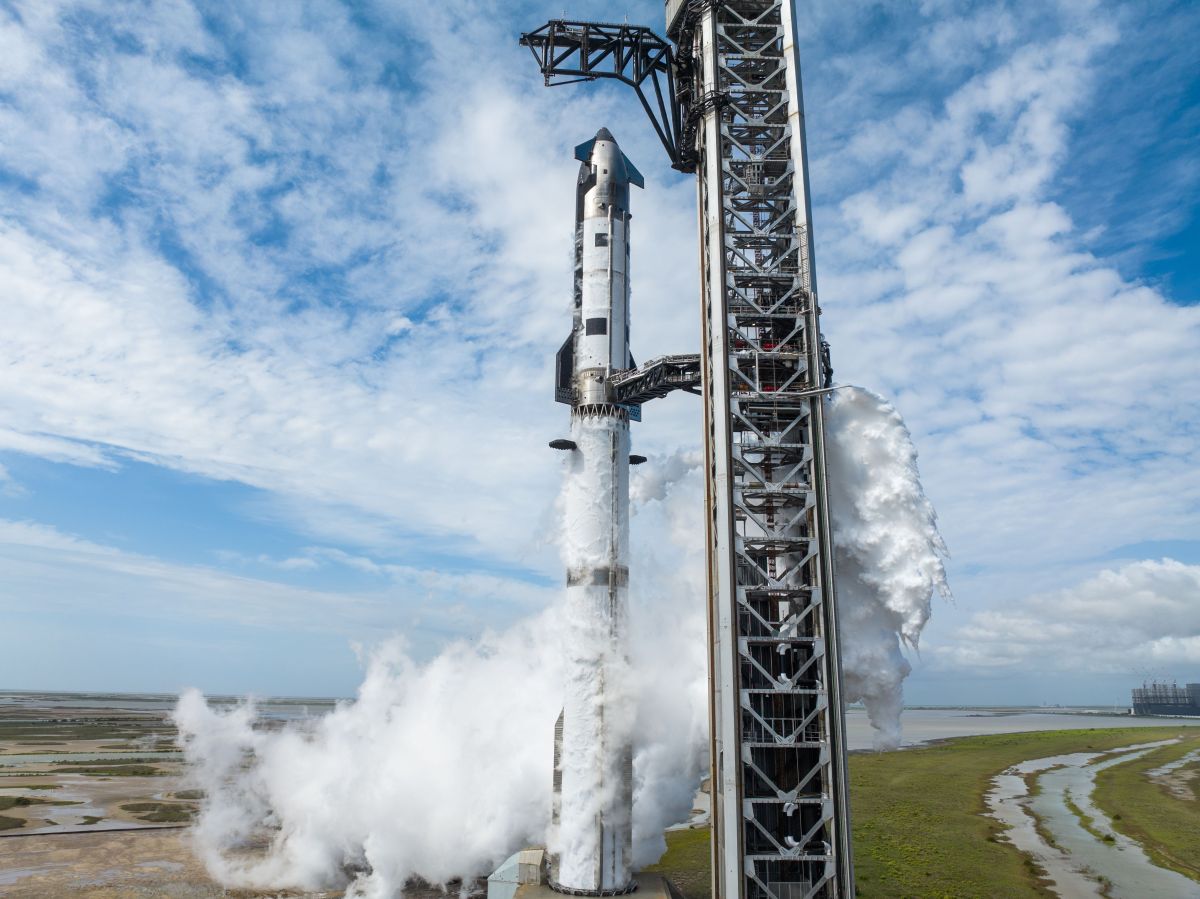
SpaceX has canceled the first launch of its third-generation Starship rocket system from its Starbase, Texas, headquarters. The company is expected to make another attempt on Friday.
This is an important announcement for the company. And not just because it’s the first real test of the upgraded Starship V3 hardware. It’s also a pivotal time financially for SpaceX. The company recently filed for an IPO and is expected to go public in the coming weeks, putting further pressure on SpaceX to show it is making meaningful progress with its next-generation rocket program.
This launch, Starship’s 12th, marks Starship’s first flight since the company’s previous attempt in October 2025. SpaceX spent the intervening months developing and testing this third version of Starship, but encountered several problems. In November, for example, one of the first V3 boosters exploded during testing.
The company postponed Thursday’s launch multiple times, ultimately trying to send the rocket into space near the end of the expected launch period. Starship and its massive rocket booster were fully charged with fuel and the countdown was below T-40 seconds, but problems with various rocket and launch pad systems forced the company to repeat the countdown multiple times.
SpaceX CEO Elon Musk said in a post about X: [launch] The tower arm in place did not retract,” it said, adding that if the problem “can be fixed tonight,” the company plans to try again Friday at 5:30 p.m. local time.
This new version of Starship represents a significant upgrade in the vehicle design and the way the company’s launch pad infrastructure operates. One of the bigger changes was to SpaceX’s third-generation Raptor engine, which provides more thrust in a streamlined design. The third generation Starship booster is designed with a launch tower that is easier to catch and has one less grid fin.
SpaceX also made a number of changes to make this version of Starship more reliable. For example, the new design is supposed to prevent propellant leaks from accumulating within certain sections of Starship’s upper stage, which has caused problems on several previous Starship test flights. The goal is to make the entire vehicle fully reusable, similar to the company’s flagship rocket, the Falcon 9.
This particular flight, if it goes as planned, will not accomplish all the goals SpaceX has set to demonstrate Starship V3. The company is not trying to recall the booster or Starship vehicle itself. Both are expected to perform a “soft landing” underwater, with Booster in the Atlantic Ocean and Starship in the Indian Ocean. And because Starship won’t fly in true Earth orbit, SpaceX will still have to wait one or two more missions to prove that the giant rocket’s upper stage can carry commercial payloads.
SpaceX needs Starship V3 to be a reliable launch system, in large part because the company made a huge bet on Starlink, which generated $11 billion in revenue last year, according to the company’s current IPO filing. SpaceX has demonstrated Starship’s ability to deploy dummy versions of upgraded Starlink satellites in previous launches, but has yet to put a viable payload into space with its new rocket system.
If you buy through links in our articles, we may earn a small commission. This does not affect editorial independence.
Source link

