
Close Menu
  • Home
  • Identity
  • Inventions
  • Future
  • Science
  • Startups
  • Spanish
What's Hot

Asian State Assistance Group TGR-STA-1030 breaches 70 governments and infrastructure-related organizations

How printed electronics from Tampere Uni is building a sustainable future

How Samsung Knox prevents network security breaches

Facebook X (Twitter) Instagram
  • Home
  • About Us
  • Advertise with Us
  • Contact Us
  • DMCA
  • Privacy Policy
  • Terms & Conditions
  • User-Submitted Posts
Facebook X (Twitter) Instagram
Fyself News
  • Home
  • Identity
  • Inventions
  • Future
  • Science
  • Startups
  • Spanish
Fyself News
Home » Agricultural waste permanently removes chemicals from food crops.
Inventions

Agricultural waste permanently removes chemicals from food crops.

userBy userDecember 2, 2025No Comments3 Mins Read
Share Facebook Twitter Pinterest Telegram LinkedIn Tumblr Email Copy Link
Follow Us
Google News Flipboard
Share
Facebook Twitter LinkedIn Pinterest Email Copy Link

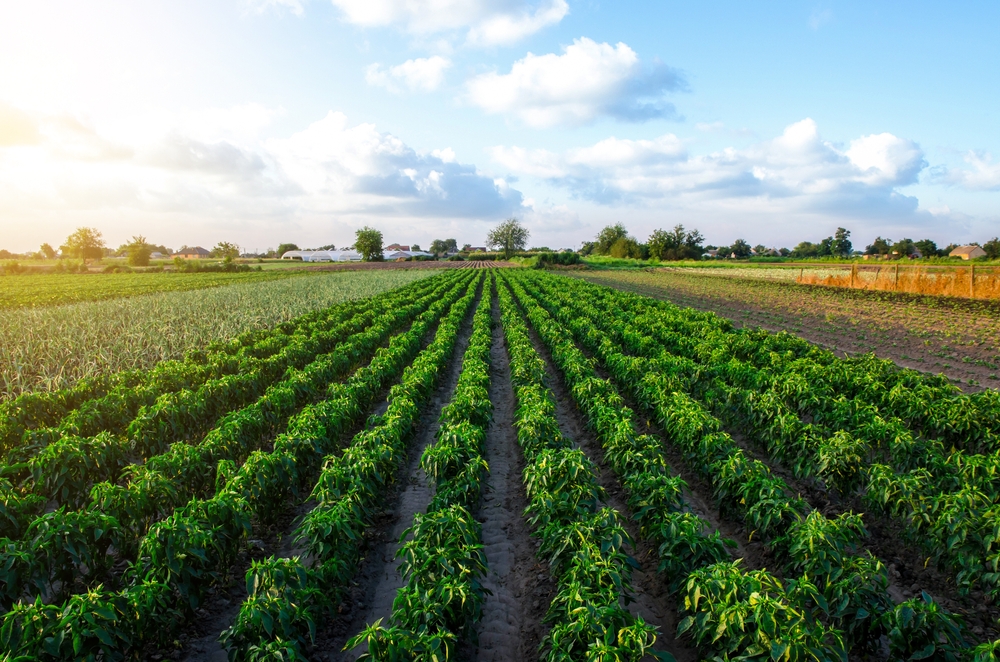
A new study of radishes grown in soil contaminated with PFAS has found that iron-enriched hemp biochar made from agricultural waste can significantly and permanently reduce the amount of chemicals transferred from contaminated soil to food crops.

The research team collected PFAS-contaminated sandy soil from a former fire training range in Connecticut. Long-term use of aqueous film-forming foams left high concentrations of PFOS and related PFAS in food crops.

“PFAS do not simply disappear once they reach agricultural land, and our results show that PFAS can be efficiently transferred from the soil to the food we grow,” said lead author Trung Huu Bui.

“Iron-enriched hemp biochar offers a promising way to capture these contaminants in the soil and reduce their entry into the food chain without sacrificing plant growth.”

How biochar reduced PFAS levels in food crops

The researchers produced biochar from hemp stalks and leaves at different temperatures from 500°C to 800°C, and some batches were “fortified” by soaking the biomass in an iron sulfate solution to create iron-rich sorption sites before pyrolysis.

After characterizing the surface area, pore structure, and mineral content, the researchers mixed the selected biochars into the contaminated soil at low application rates of 2% or 5% by weight and incubated the mixture for 90 days to allow the PFAS to interact with the sorbent.

Radish seedlings were then grown in amended and unamended soil for 4 weeks, and high-sensitivity liquid chromatography-mass spectrometry was used to measure PFAS in soil exudates, shoots, and edible bulbs.

Effect of temperature on PFAS retention

The soil at the site contained approximately 576 nanograms per gram of total PFAS, with PFOS predominating, accounting for approximately 60% of the total loading.

Biochar produced at the lowest temperature had the highest specific surface area and more oxygen-containing functional groups, which was advantageous for PFAS retention compared to materials produced at higher temperatures.

Enriching biochar with iron further increased its surface area and pore volume and introduced iron oxide and iron hydroxide sites that can attract anionic PFAS molecules to food crops.

In all treatments, radish grown unamended in contaminated soil showed strong accumulation of short-chain PFAS with bioconcentration factors >1 and particularly high values ​​for short-chain carboxylic and sulfonic acids.

The importance of public health and the environment

The study highlights that even root vegetables like radishes can accumulate significant amounts of short-chain PFAS when grown in contaminated fields, raising concerns about food safety in affected agricultural areas.

By demonstrating that relatively low doses of iron-rich biochar made from agricultural residues can improve soil properties and reduce PFAS transfer to food crops, this study points to a practical soil management strategy to reduce dietary PFAS exposure.

The authors note that future studies should investigate potential effects on long-term field performance, soil microbial and PFAS transformation, and whether similar approaches can protect other crop species and soils using different PFAS mixtures.


Source link

#CreativeSolutions #DigitalTransformation. #DisruptiveTechnology #Innovation #Patents #SocialInnovation
Follow on Google News Follow on Flipboard
Share. Facebook Twitter Pinterest LinkedIn Tumblr Email Copy Link
Previous Article2025’s ‘Cold Supermoon’: Why this year’s last full moon will also be the tallest
Next Article SecAlerts cuts through the noise with a smarter, faster way to track vulnerabilities
user
  • Website

Related Posts

How printed electronics from Tampere Uni is building a sustainable future

February 6, 2026

Puragen unveils PFAS treatment technology during UK ministerial visit

February 6, 2026

Rendezvous and close-in operations in crowded Earth orbit

February 6, 2026
Add A Comment
Leave A Reply Cancel Reply

Latest Posts

Asian State Assistance Group TGR-STA-1030 breaches 70 governments and infrastructure-related organizations

How printed electronics from Tampere Uni is building a sustainable future

How Samsung Knox prevents network security breaches

Puragen unveils PFAS treatment technology during UK ministerial visit

Trending Posts

Subscribe to News

Subscribe to our newsletter and never miss our latest news

Please enable JavaScript in your browser to complete this form.
Loading

Welcome to Fyself News, your go-to platform for the latest in tech, startups, inventions, sustainability, and fintech! We are a passionate team of enthusiasts committed to bringing you timely, insightful, and accurate information on the most pressing developments across these industries. Whether you’re an entrepreneur, investor, or just someone curious about the future of technology and innovation, Fyself News has something for you.

Castilla-La Mancha Ignites Innovation: fiveclmsummit Redefines Tech Future

Local Power, Health Innovation: Alcolea de Calatrava Boosts FiveCLM PoC with Community Engagement

The Future of Digital Twins in Healthcare: From Virtual Replicas to Personalized Medical Models

Human Digital Twins: The Next Tech Frontier Set to Transform Healthcare and Beyond

Facebook X (Twitter) Instagram Pinterest YouTube
  • Home
  • About Us
  • Advertise with Us
  • Contact Us
  • DMCA
  • Privacy Policy
  • Terms & Conditions
  • User-Submitted Posts
© 2026 news.fyself. Designed by by fyself.

Type above and press Enter to search. Press Esc to cancel.