

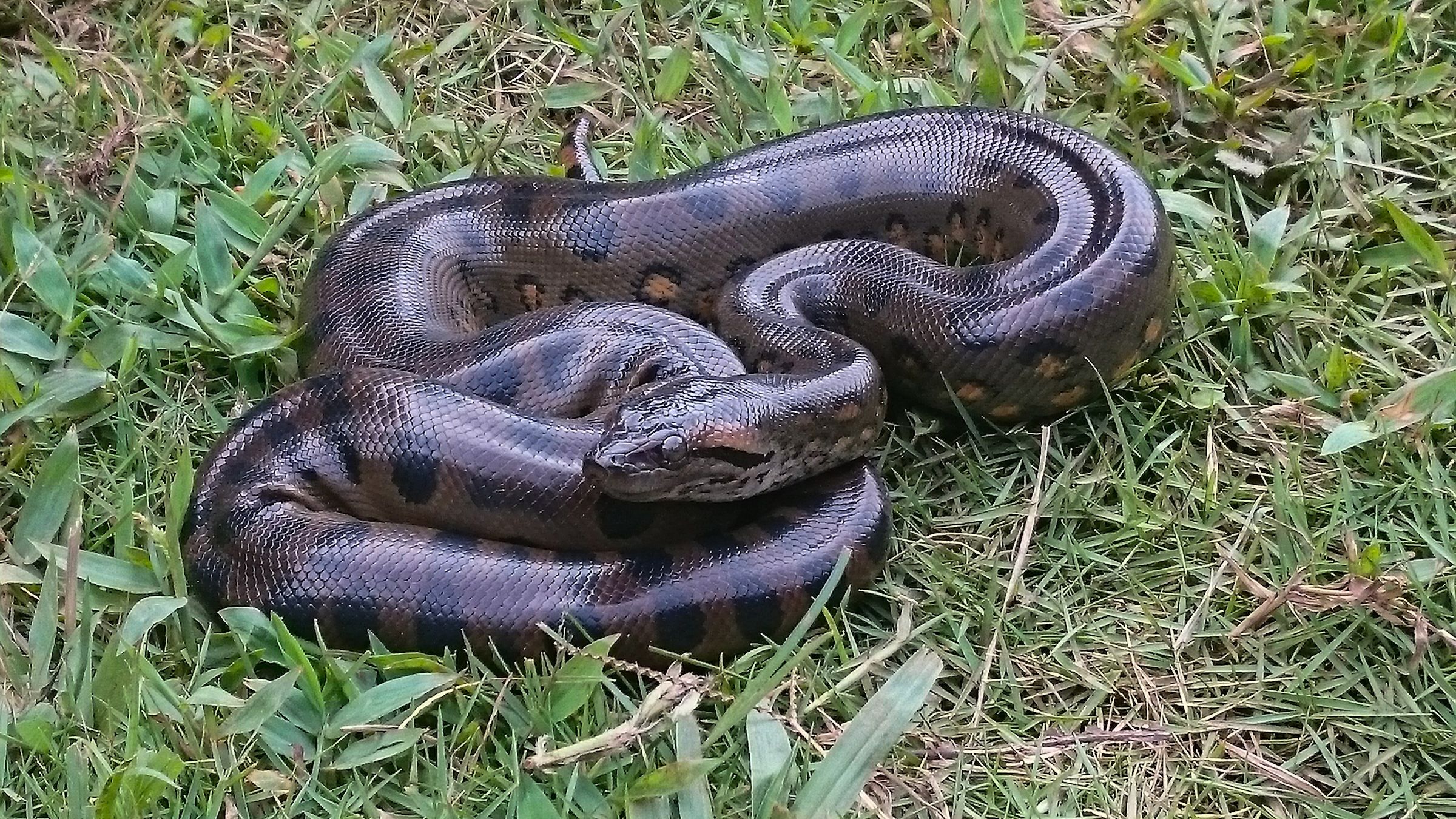
Anacondas have been huge for millions of years, a new study has found.
The average body size of giant snakes has remained constant since they first appeared in the fossil record some 12.4 million years ago during the Miocene (16 million to 11.6 million years ago), according to a new study published Monday in the journal Vertebrate Paleontology.
you may like
“Other species, such as giant crocodiles and giant turtles, have become extinct since the Miocene, probably due to lower global temperatures and habitat shrinkage,” study co-author Andres Alfonso Rojas, a vertebrate paleontologist at the University of Cambridge, said in a statement. “But the giant anacondas survived. They are very resilient.”
Anacondas make up a group of constricting snakes, which currently includes the heaviest snake species in the world. The average length of modern anacondas is 13 to 16 feet (4 to 5 meters), but the largest can reach 23 feet (7 meters). Scientists weren’t sure whether anacondas got even bigger during the Miocene, or whether they remained the same size and remained their gigantic size to this day.
To estimate how big ancient anacondas were, Alfonso Rojas and his colleagues measured 183 fossilized anaconda vertebrae from at least 32 snakes collected in Venezuela. They also used a technique called ancestral state reconstruction to predict the body length of ancient anacondas from the characteristics of closely related snakes.
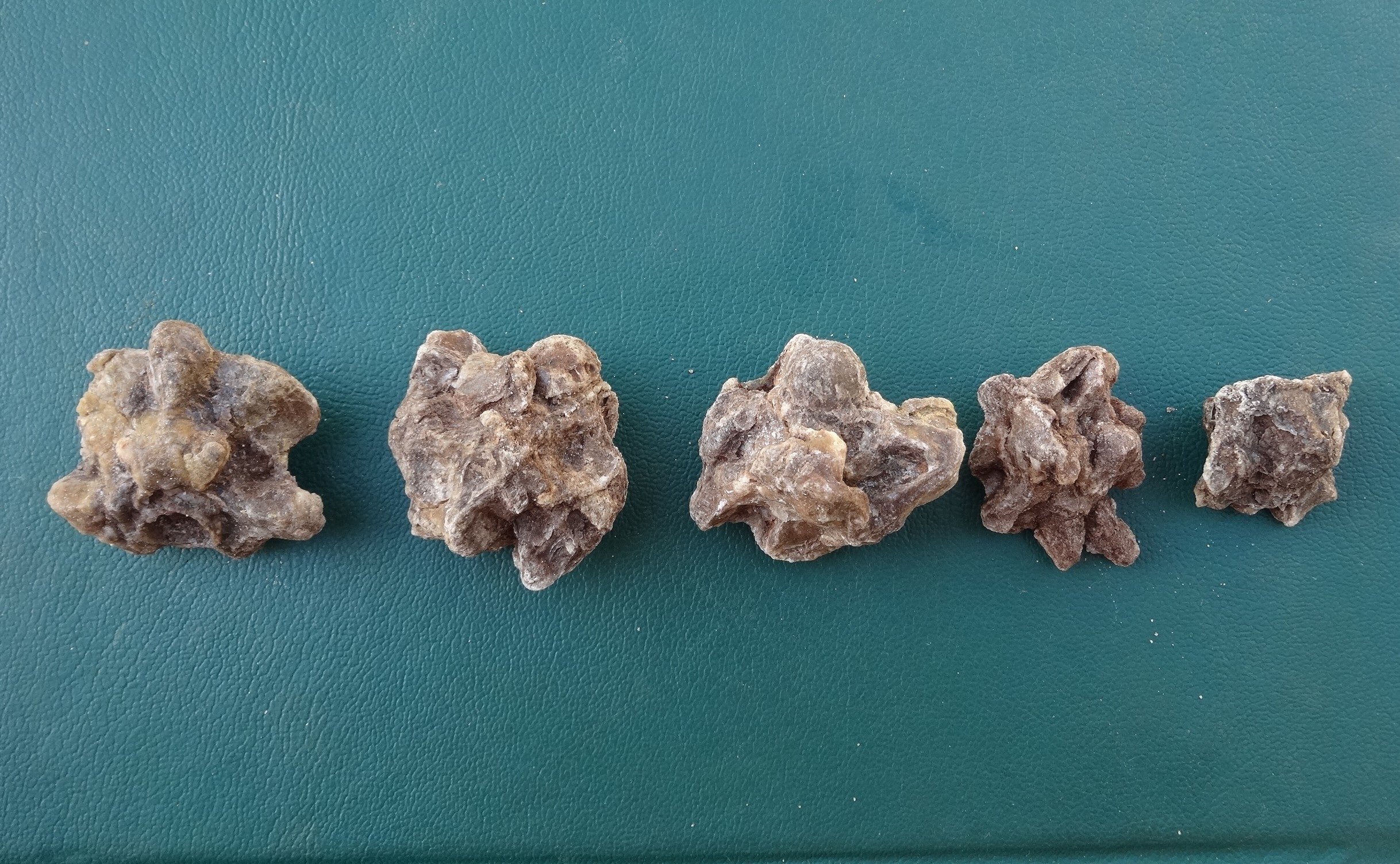
Based on these calculations, the researchers found that when anacondas first appeared 12 million years ago, during the Miocene Epoch, their average body length was about 17 feet (5.2 meters). This is about the same length as a modern anaconda.
“This is a surprising result, as ancient anacondas were expected to be between 7 and 8 meters long.” [23 to 26 feet] “However, there is no evidence that larger snakes existed during the Miocene, when global temperatures were warmer,” Alfonso Rojas said in a statement.
It’s still unclear why anacondas don’t get smaller over time.
While a warm climate and rich wetlands may have allowed anacondas to reach giant sizes early in their evolutionary history, lower temperatures and shrinking ranges haven’t forced snakes to become smaller to adapt. This may suggest that these were not the main factors that have kept snakes large over thousands of years, the researchers said in their study.
Predator-prey interactions also likely do not play a major role in maintaining snake body size, the researchers said. It is possible that the snakes grew larger because there was no competition for food in the first place. However, during the Pliocene (5.3 million to 2.6 million years ago) and Pleistocene (2.6 million to 11,700 years ago), other predators migrated into South America without causing them to become smaller. This suggests that food availability is not a major factor in anacondas’ giant size.
Snake Quiz: How much do you know about crawling reptiles?
Source link
