


Close Menu
  • Home
  • Identity
  • Inventions
  • Future
  • Science
  • Startups
  • Spanish
What's Hot

“Pokémon Pokopia” is a game about repairing a broken world – I love it

FortiGate devices are exploited to infiltrate the network and steal service account credentials

KadNap malware infects over 14,000 edge devices, powering stealth proxy botnet

Facebook X (Twitter) Instagram
  • Home
  • About Us
  • Advertise with Us
  • Contact Us
  • DMCA
  • Privacy Policy
  • Terms & Conditions
  • User-Submitted Posts
Facebook X (Twitter) Instagram
Fyself News
  • Home
  • Identity
  • Inventions
  • Future
  • Science
  • Startups
  • Spanish
Fyself News
Home » Auroras may become more intense this March due to the “vernal equinox effect”
Science

Auroras may become more intense this March due to the “vernal equinox effect”

userBy userMarch 1, 2026No Comments3 Mins Read
Share Facebook Twitter Pinterest Telegram LinkedIn Tumblr Email Copy Link
Follow Us
Google News Flipboard
Share
Facebook Twitter LinkedIn Pinterest Email Copy Link

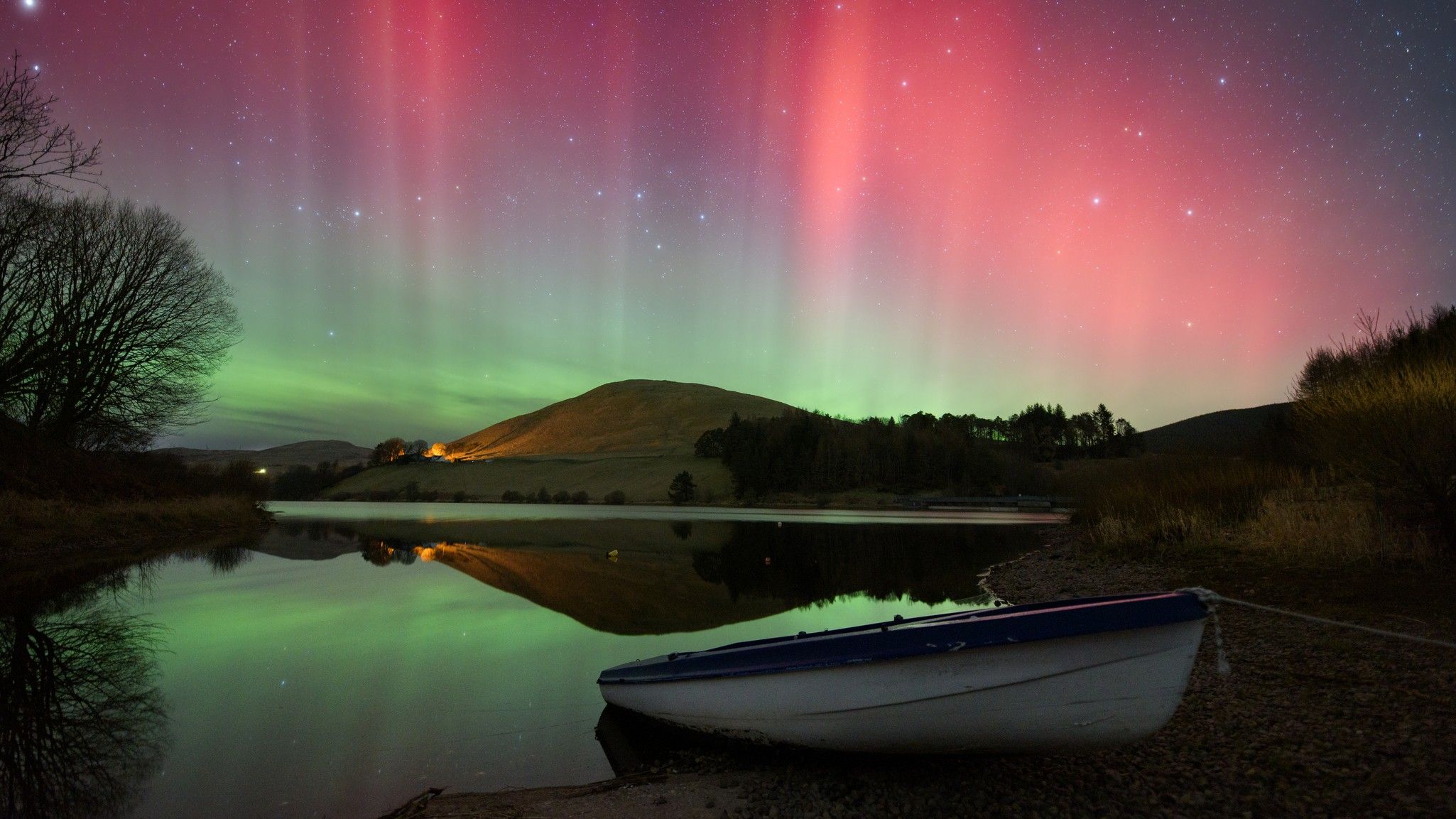
This month could be the best time to see the aurora borealis in nearly a decade, as the combination of the equinox effect and excessive solar activity makes them more likely to occur. However, exactly when and where they will appear is still unknown.

At 10:46 a.m. UTC on Friday, March 20th, the sun will cross the celestial equator, marking the spring equinox in the northern hemisphere and the autumnal equinox in the southern hemisphere.

When this happens, the Earth’s axis will be horizontal to the sun. This means that the nights in the Northern Hemisphere will be shorter until the summer solstice in June, but it also means that auroras are more likely to occur in the weeks before and after the vernal equinox.

you may like

vernal equinox effect

This “equinox effect,” in which the likelihood of auroral activity doubles around the spring and fall equinoxes, was first described by scientists Christopher Russell and Robert McFarlon in a paper published in the Journal of Geophysical Research in 1973.

They argued that auroras are more likely to occur in March and September because the solar wind’s southward magnetic field cancels Earth’s northward magnetic field, making it easier for the solar wind to flow along magnetic field lines. Effectively, the door opens and allows more charged particles to enter, colliding with oxygen and nitrogen atoms in the upper atmosphere and causing auroras.
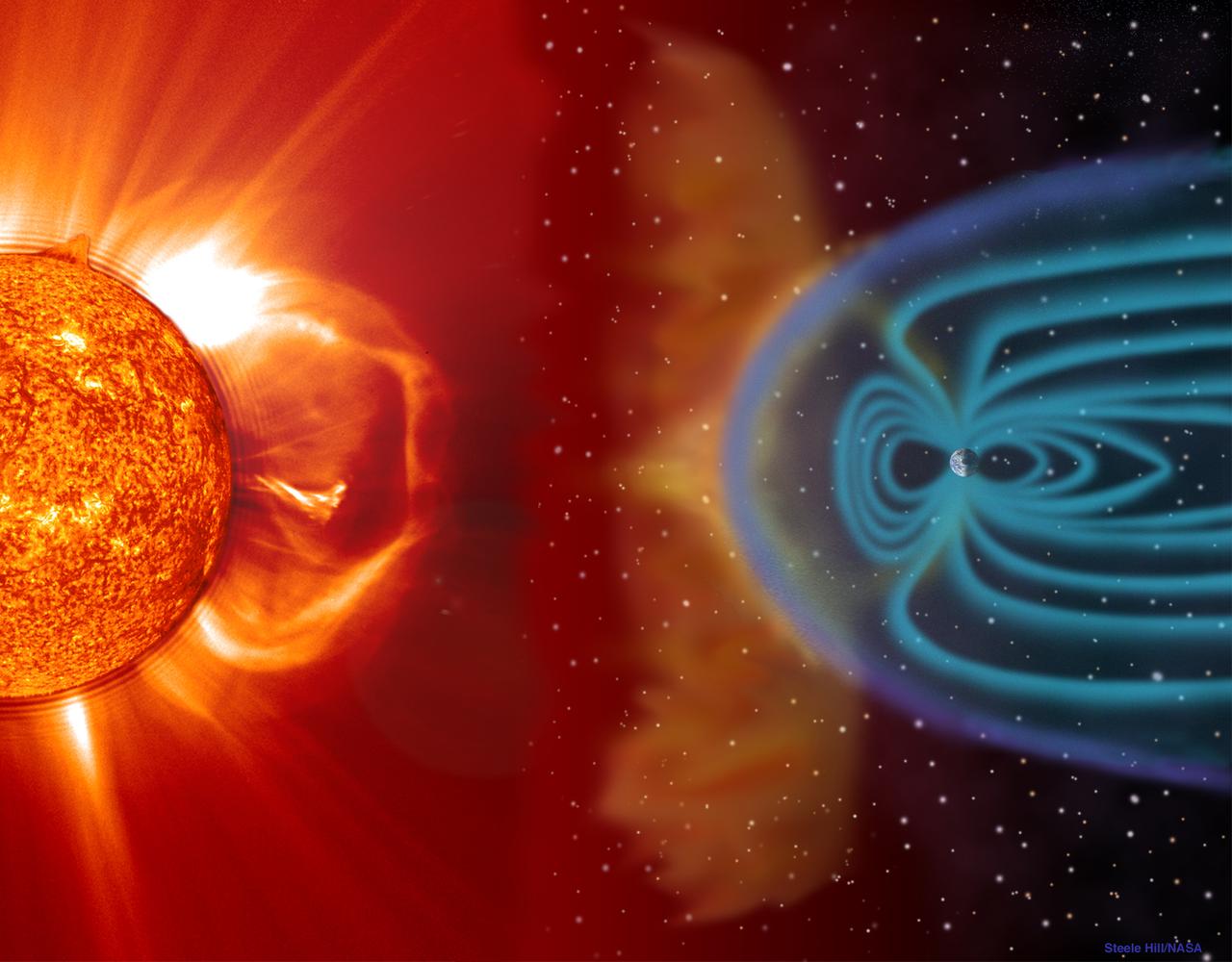
Illustration of the earth and the sun. Blue magnetic field lines surround the Earth and orange plasma explodes from the Sun.

During the spring equinox, the Earth’s magnetic field and the solar wind meet, making auroras more common. However, strong solar explosions remain the key. (Image credit: NASA / MSFC)

The March equinox comes as Solar Maximum (the peak of the Sun’s 11-year solar cycle) comes to a close. During solar maximum, the sun’s magnetism is at full power. NASA, the National Oceanic and Atmospheric Administration (NOAA), and the International Solar Cycle Prediction Panel reported that the sun is likely to reach its solar maximum in October 2024, but added that it would take months or years to confirm.

The Sun’s magnetic strength is calculated by counting sunspots (cooler areas of the Sun caused by concentration of magnetic field lines) on its surface. The number of sunspots is currently on the decline, with the Met Office announcing in January that activity appears to be decreasing. That means fewer solar flares and, crucially, fewer coronal mass ejections, which are clouds of charged particles that can travel toward Earth to produce auroras.

Get the world’s most fascinating discoveries delivered straight to your inbox.

According to NOAA’s Space Weather Prediction Center, Solar Cycle 26 is expected to begin between January 2029 and December 2032, during which solar activity is likely to remain low.

Will there be a noticeable impact on the vernal equinox this March? These conditions could produce the best aurora borealis until the mid-2030s, but that doesn’t mean you can expect to see them in the more southern latitudes of the Northern Hemisphere.

After all, everything depends on solar activity, which is difficult to predict in advance. Early February saw one of the most active sunspots of the current solar cycle, producing aurora borealis at much lower latitudes than usual, but this monster sunspot has since disappeared. Unfortunately, there is no way to know if new ones will appear in time for the spring equinox.


Source link

#Biotechnology #ClimateScience #Health #Science #ScientificAdvances #ScientificResearch
Follow on Google News Follow on Flipboard
Share. Facebook Twitter Pinterest LinkedIn Tumblr Email Copy Link
Previous ArticleWhich is heavier when the elevator goes up or down?
Next Article Ancient Greek mystery cult priestesses may have chemically tweaked fungi to induce psychedelic hallucinations
user
  • Website

Related Posts

California wildfire season is changing, with an increase in fires following traditional high-risk periods, study finds

March 9, 2026

The world’s smallest QR code can store thousands of years of data, but you’ll need an electron microscope to see it

March 9, 2026

Asante Spider: A rare African sword ornament found on Ghana’s Gold Coast that later helped save a Texas man’s life.

March 9, 2026
Add A Comment
Leave A Reply Cancel Reply

Latest Posts

“Pokémon Pokopia” is a game about repairing a broken world – I love it

FortiGate devices are exploited to infiltrate the network and steal service account credentials

KadNap malware infects over 14,000 edge devices, powering stealth proxy botnet

Legora reaches $5.55 billion valuation as AI legal technology boom continues

Trending Posts

Subscribe to News

Subscribe to our newsletter and never miss our latest news

Please enable JavaScript in your browser to complete this form.
Loading

Welcome to Fyself News, your go-to platform for the latest in tech, startups, inventions, sustainability, and fintech! We are a passionate team of enthusiasts committed to bringing you timely, insightful, and accurate information on the most pressing developments across these industries. Whether you’re an entrepreneur, investor, or just someone curious about the future of technology and innovation, Fyself News has something for you.

Castilla-La Mancha Ignites Innovation: fiveclmsummit Redefines Tech Future

Local Power, Health Innovation: Alcolea de Calatrava Boosts FiveCLM PoC with Community Engagement

The Future of Digital Twins in Healthcare: From Virtual Replicas to Personalized Medical Models

Human Digital Twins: The Next Tech Frontier Set to Transform Healthcare and Beyond

Facebook X (Twitter) Instagram Pinterest YouTube
  • Home
  • About Us
  • Advertise with Us
  • Contact Us
  • DMCA
  • Privacy Policy
  • Terms & Conditions
  • User-Submitted Posts
© 2026 news.fyself. Designed by by fyself.

Type above and press Enter to search. Press Esc to cancel.