

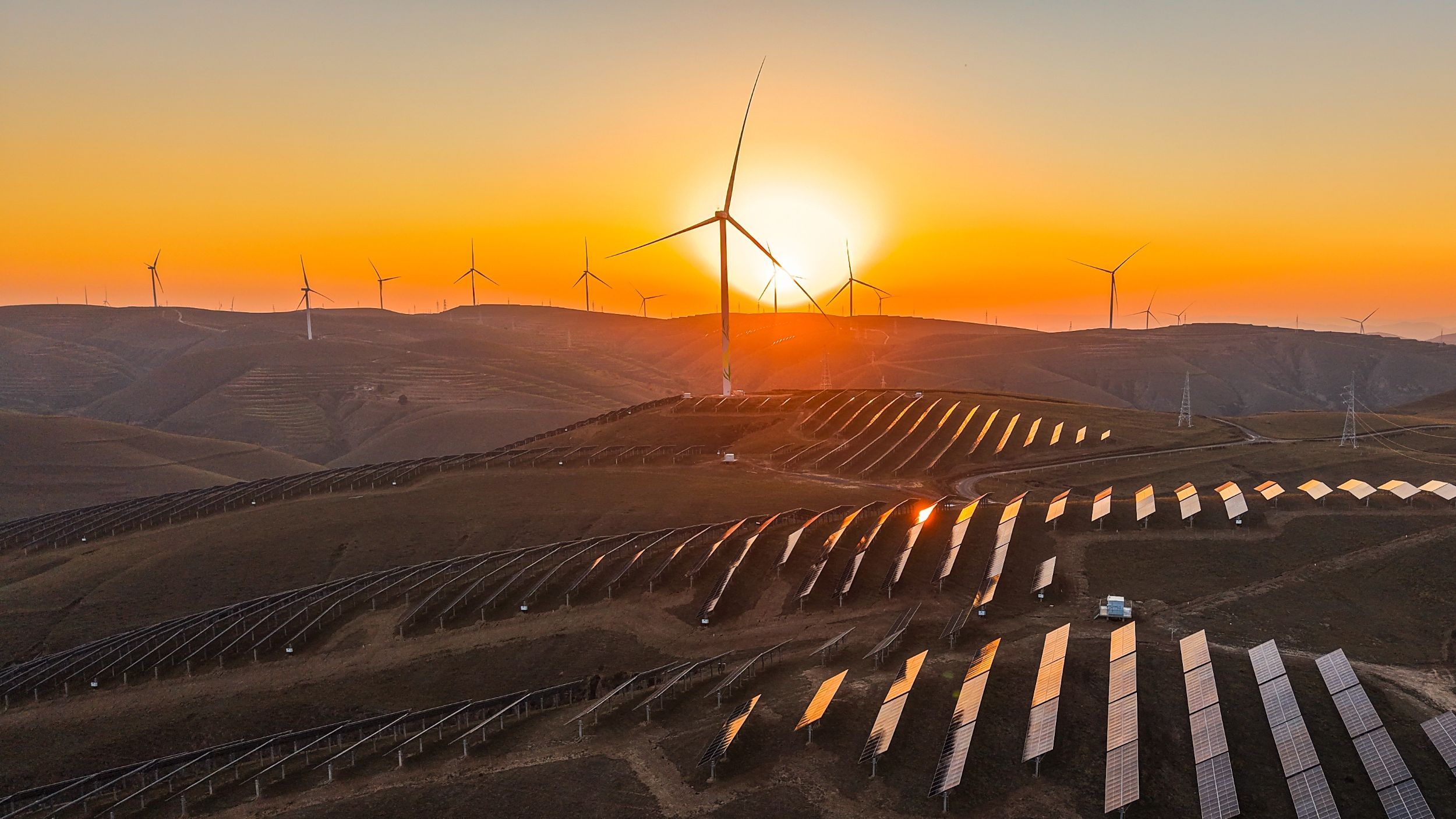
On the way to President Donald Trump’s mission to eliminate renewable energy, a funny thing happened. The use of solar and wind energy is rapidly increasing, especially globally and in the United States.
According to an analysis by Ember Energy Research, solar and wind power generation increased by 109% worldwide last year, making these renewables overtake coal as the world’s energy supplier for the first time. More than 600 gigawatts of solar power was added last year, led by China but also in India, Brazil, Vietnam, the European Union, Kenya and Mozambique. African experts say much of the continent is leaning heavily toward solar and wind power to power new regions and industries without using fossil fuels.
Meanwhile, investment in new clean energy, including storage, grid upgrades, efficiency measures and electric vehicles, has soared to $2.2 trillion at the end of 2024, double the $1.1 trillion invested in new fossil fuel projects, according to the International Energy Agency. Globally, the future of renewable energy is bright.
you may like
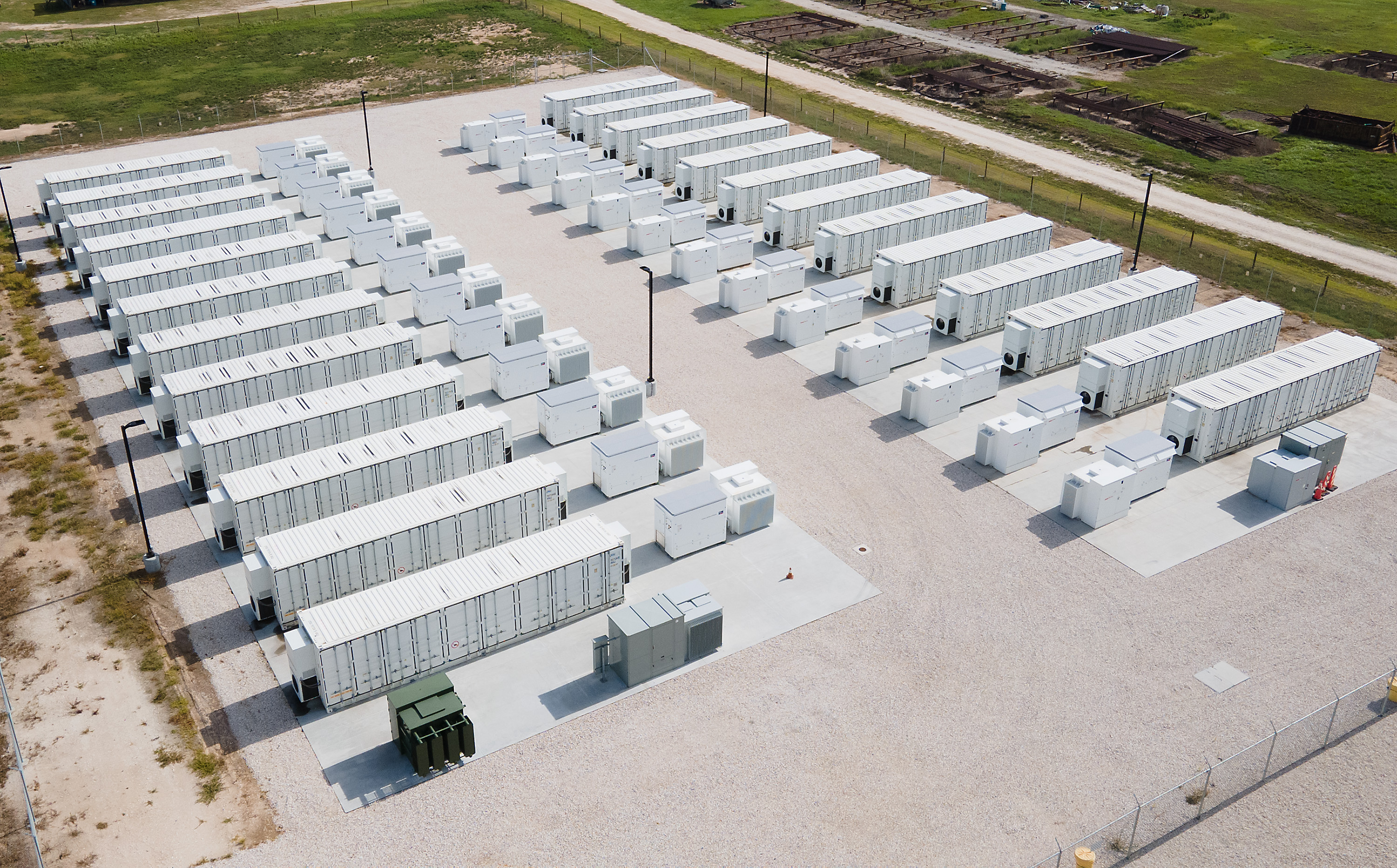
Renewable energy generation is also growing rapidly in the United States, with solar power increasing by 37% and wind power increasing by 12% last year. According to the Energy Information Administration, 24% of U.S. electricity generation came from renewable energy last year. For at least one month in March 2025, renewable energy provided more than half of the electricity generated nationwide. It was the first time that fossil fuels provided less than half of the total electricity generation in the United States. According to the Solar Energy Industry Association, solar power alone provided about 85% of all new electricity added to the U.S. power grid last year.
why? It’s simple economics. The cost of solar and wind power has plummeted over the past 15 years. Utility-scale solar power, or the cost for utilities to generate electricity from sunlight, fell 85% in the decade from 2010 to 2020. Supply chain failures complicated the situation during the pandemic, but prices fell by 12% in 2023. In 2024, prices fell again.
According to PV Magazine’s report on Lazard’s 2025 levelized cost of energy, solar and wind power generation costs are lower than natural gas and coal. Even without the subsidies that Republicans ended with the repeal of anti-inflation laws, utility-scale solar power costs between 4 cents and 8 cents per kilowatt-hour. Adding battery storage increases the cost of solar power from 5 cents to 13 cents. By comparison, electricity generation from natural gas costs between 13.8 and 26 cents per kilowatt-hour, according to PV Magazine and Lazard. Coal is even more expensive.
“The big thing that’s happening right now is that clean energy has increased very rapidly over the last six months around the world,” climate author and activist Bill McKibben told journalists in January, calling this one of the major developments in current climate change.
The cause, he added, is “a dramatic fall in clean energy prices, which challenges all our assumptions.” For a long time, solar and wind were called “alternative energies,” but they are now the dominant sources of new energy around the world, “so there is nothing that can replace them,” he added.
When battery storage is added to a utility’s system, the cost of generating electricity from solar and storage can range from 5 cents to 13 cents per kilowatt-hour, which is still significantly cheaper than natural gas or coal. Battery storage allows wind and solar power to be used as reliable sources even when the sun isn’t shining and the wind isn’t blowing. In the United States, battery storage adoption will double during 2024.
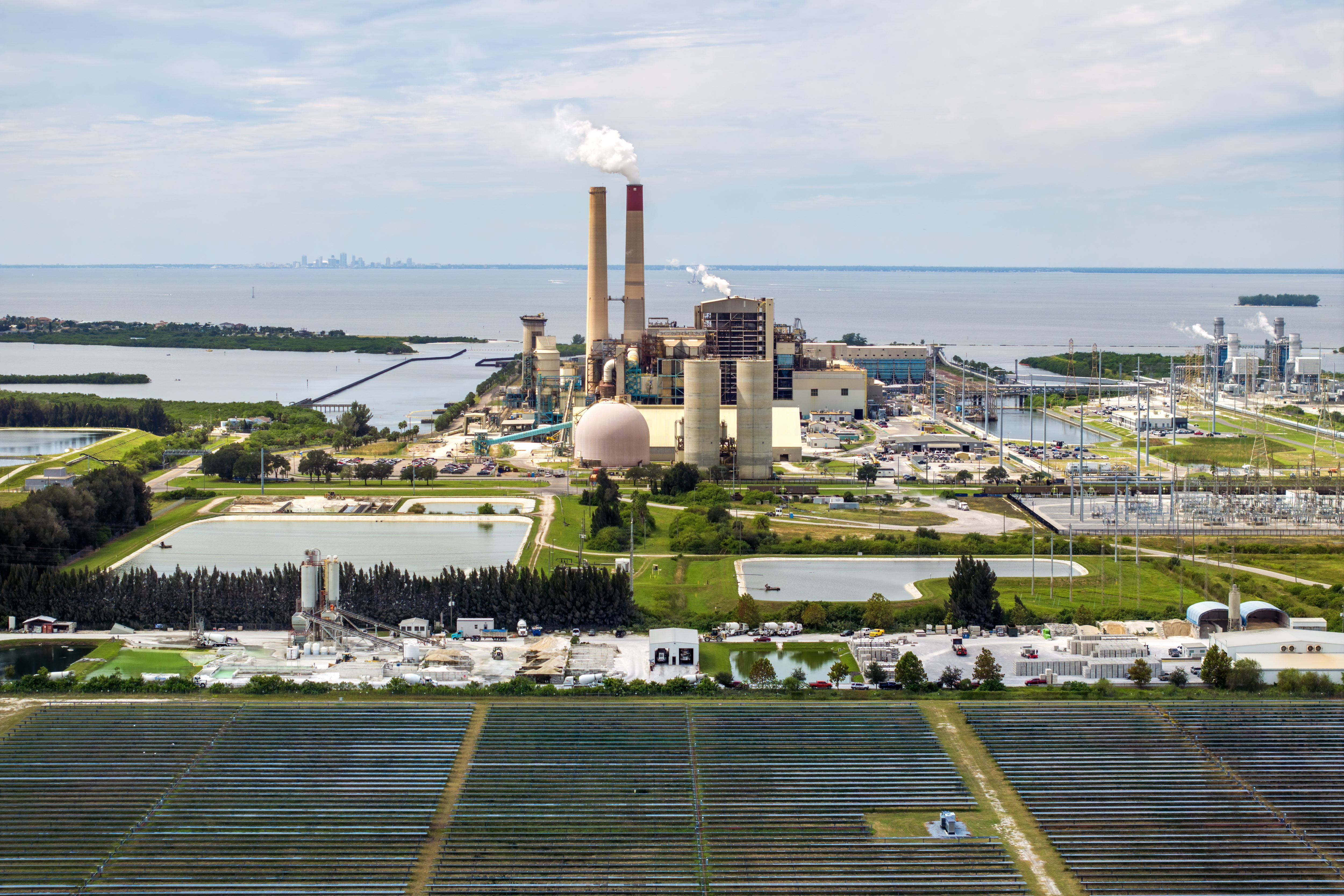
Climate Solutions Investor Tom Steyer said the deployment of solar and wind power is experiencing the sharp upward trajectory that other successful new technologies, such as mobile phones, have experienced after an initial period of low growth.
you may like
“When it actually gets cheaper, faster and better,[adoption]increases almost vertically,” Steyer said on the MCJ podcast a few months ago. Steyer is a co-founder of the investment firm Galvanize Climate Solutions and recently ran for governor of California.
Solar and wind energy have become so cheap that major power companies, businesses, and residents alike are choosing it over natural gas, coal, and oil. But renewable energy deployment is expected to slow in the U.S. this year as federal tax incentives for solar and wind power are lost and the U.S. administration cuts permits for new wind and solar projects.
“Unless this administration changes course, the future of clean, affordable and reliable solar power and storage is frozen in uncertainty, and Americans will continue to see rising utility bills,” Abigail Ross Hopper, president and CEO of the Solar Energy Industry Association, said in a statement last month. He added that the U.S. has a lot to lose, with “our booming manufacturing, global competitiveness, and billions of dollars in private investment at stake.”
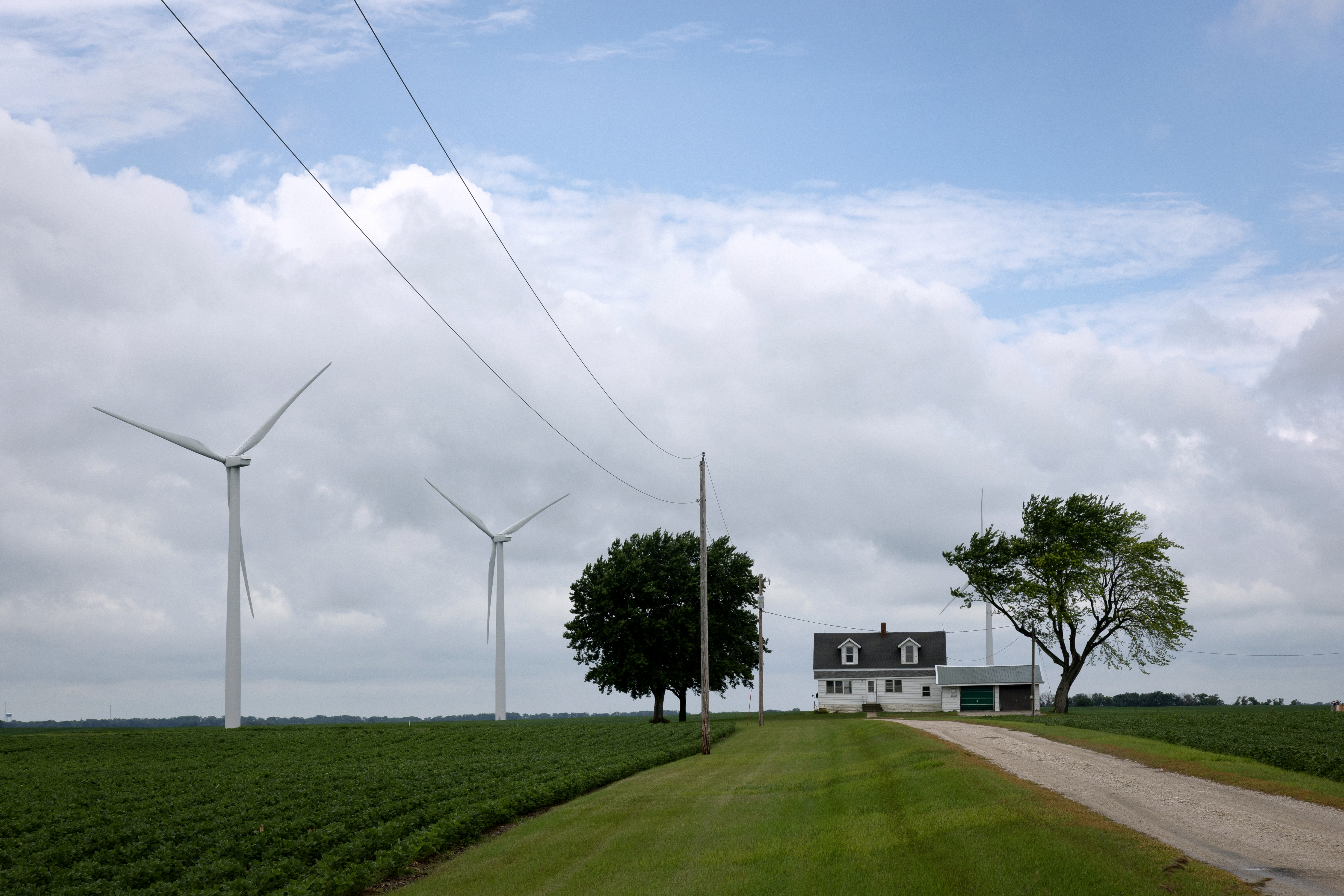
Although the Republican federal government favors fossil fuels over renewable energy, SEIA noted that 73% of new solar capacity added in the U.S. in 2025 was installed in Republican states. The 10 states that added the most solar capacity include Texas, Indiana, Florida, Arizona, Ohio, Utah, Kentucky, and Arkansas.
Iowa gets 60% of its electricity from renewable sources, and at one point last year, wind energy alone accounted for 64% of its electricity generation, according to state officials. In Texas, renewable energy will provide 40% of electricity generation in early 2024, according to Conservative Texans for Energy Innovation. Wind and solar have become cost-effective options in part because improvements in battery storage have doubled their adoption.
Wind power deployment is expected to decline in the United States in 2026 after the administration revoked permits for five major offshore wind projects, but President Trump’s efforts to block offshore wind power are facing legal setbacks.
The energy transition continues to accelerate elsewhere, almost everywhere on Earth.
“What is often overlooked in the global conversation is the speed at which change is occurring,” said Mohamed Addo, founder and director of PowerShift Africa, a Kenya-based climate and energy think tank. “Our continent is taking a giant leap forward in energy.” Just as the continent skipped the landline and replaced it with mobile phones, it is skipping fossil fuels and going straight to renewable energy instead.
“Renewable energy is central to economic development in many countries,” Addo said.
Across Africa, 18 countries added more than 100 megawatts of solar power last year, up from two the year before. It is estimated that 66.9 gigawatts of renewable energy was added on the continent last year, with at least 10 countries getting more than 90% of their electricity from renewable sources.
This article was originally published by Yale Climate Connections.
Source link
