
Early chemical exposure increases risk of lymphoblastic leukemia in children
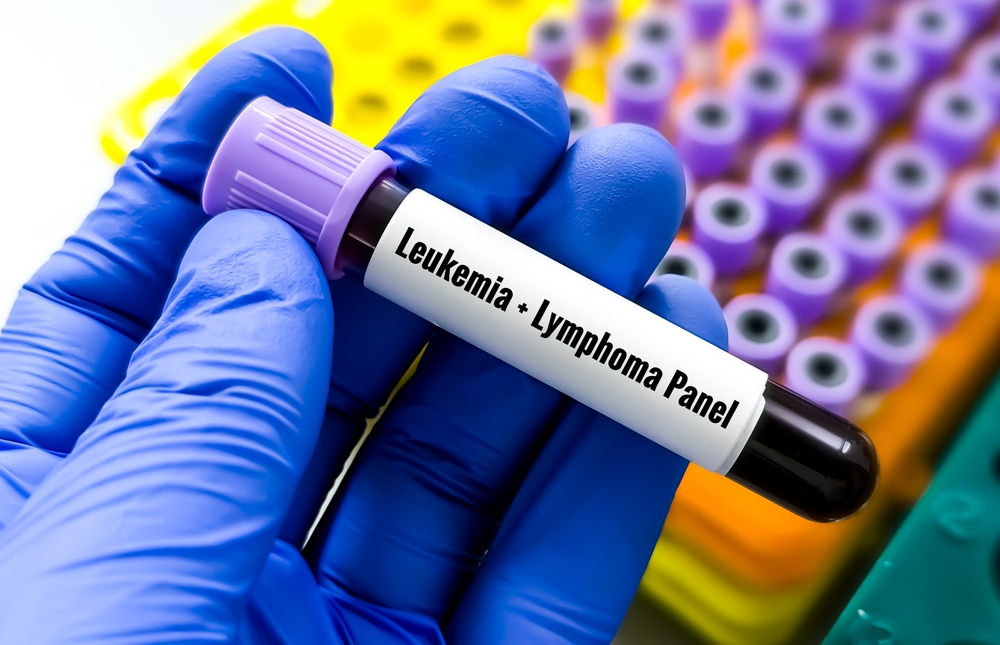
Researchers at the University of California, Irvine have identified a potential link between childhood exposure to PFAS, a widely used industrial chemical, and an increased risk of lymphoblastic leukemia, the most common cancer in children.
The study, published in the Journal of Exposure Science & Environmental Epidemiology, analyzed newborn blood samples to directly measure exposure to chemicals at birth, rather than relying on environmental estimates.
The findings suggest that infants with higher levels of certain PFAS compounds in their blood may be more likely to develop lymphoblastic leukemia, further raising concerns about how environmental toxins affect early childhood health.
The study was supported by funding from the National Institutes of Health and highlights the organization’s growing interest in the long-term health effects of environmental pollutants.
Why are PFAS dangerous?
Per- and polyfluoroalkyl substances (PFAS) are a large class of synthetic chemicals used in everyday products such as nonstick cookware, food packaging, waterproof fabrics, and drinking water systems.
Often referred to as “forever chemicals,” PFAS are highly persistent and accumulate in both the environment and the human body over time.
Its durability makes it commercially valuable, but it is also difficult to regulate. Because they are difficult to break down, exposure can begin before birth and continue throughout life, raising questions about long-term health effects.
Research content: Measurement of exposure at birth
To better understand early exposure, researchers examined dried blood spots collected from newborns in Los Angeles County between 2000 and 2015. The study compared 125 children who were later diagnosed with lymphoblastic leukemia with 219 children without cancer.
Seventeen PFAS compounds were detected in the samples. The two most common, PFOA and PFOS, were detected at the highest concentrations.
Children with higher levels of these chemicals were shown to be more likely to develop lymphoblastic leukemia, but researchers note that the statistical estimates are not very accurate.
This analysis also identified 26 additional, little-studied PFAS compounds that exhibit a similar pattern. The risk appears to increase further when multiple PFAS exposures are combined, suggesting a potential cumulative effect.
build on previous evidence
The study builds on a previous study by the same team that tracked PFAS contamination in the drinking water of more than 40,000 children in California. The study showed a link between high exposure to PFAS and several childhood cancers, including acute myeloid leukemia and Wilms tumor.
By focusing on blood samples taken at birth, the latest study was able to more directly assess exposure during a critical developmental period.
According to lead researcher Veronica Vieira, this approach helps reveal how environmental risks begin to impact health from the earliest stages of life.
Main discoveries and limitations
The study found stronger associations among non-Hispanic children, but the researchers cautioned that the results for these subgroups are preliminary due to limited sample size.
Importantly, this study does not establish a causal relationship. Rather, it adds to a growing body of evidence suggesting that early PFAS exposure may contribute to the development of lymphoblastic leukemia.
Scientists emphasize that uncertainty remains about the full range of PFAS compounds, many of which are still poorly monitored and understood.
Public health impact
PFAS contamination is widespread throughout water systems and consumer products, and the findings raise broader concerns about environmental regulations and child health protection.
Experts say further research is essential to confirm the link and identify safe exposure thresholds. At the same time, this study highlights the need for policies to reduce PFAS exposure, particularly during pregnancy and early childhood.
Although more evidence is needed, this study adds an important piece to the puzzle. Exposure to PFAS at birth may increase the risk of lymphoblastic leukemia.
Source link

