

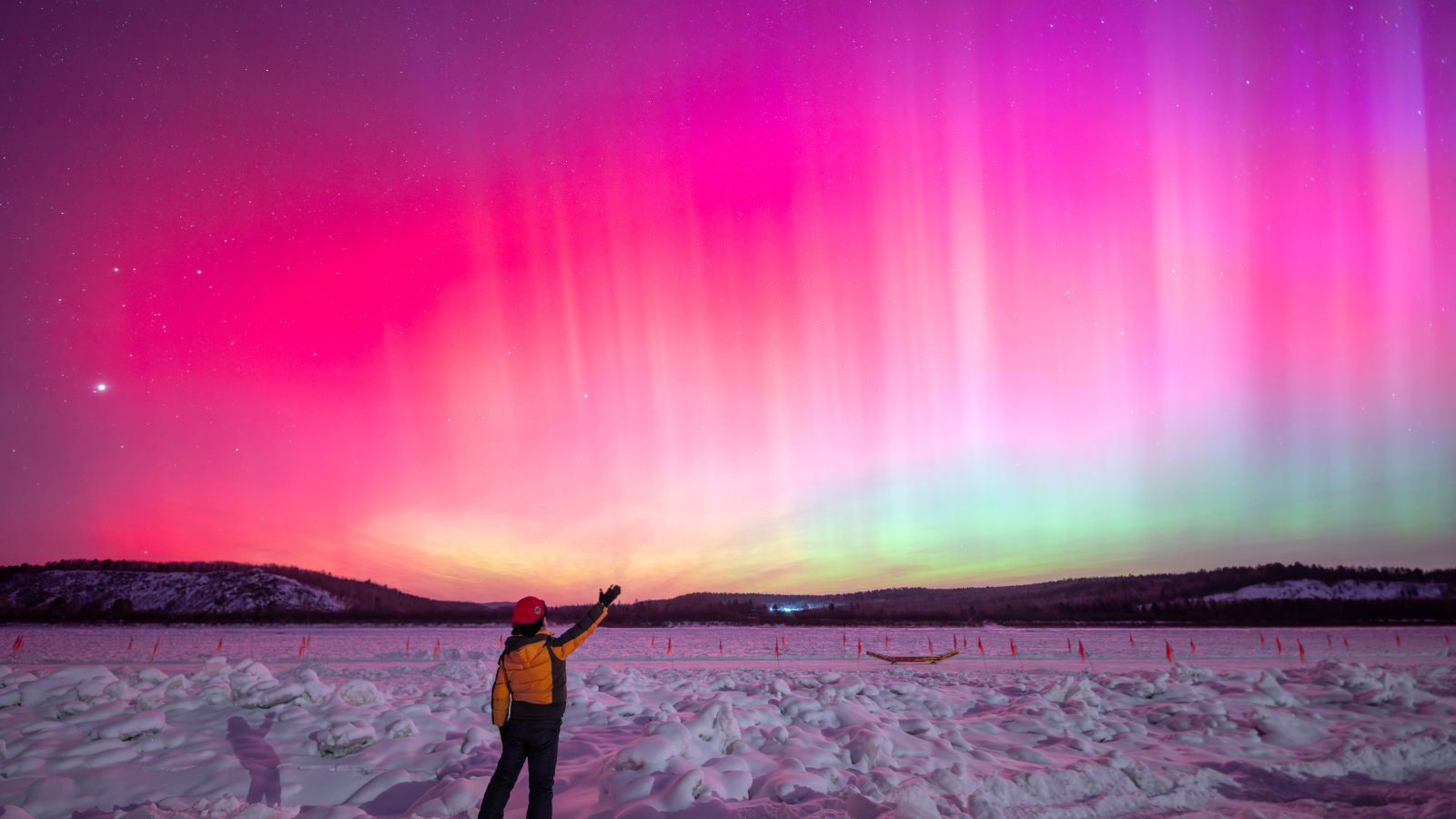
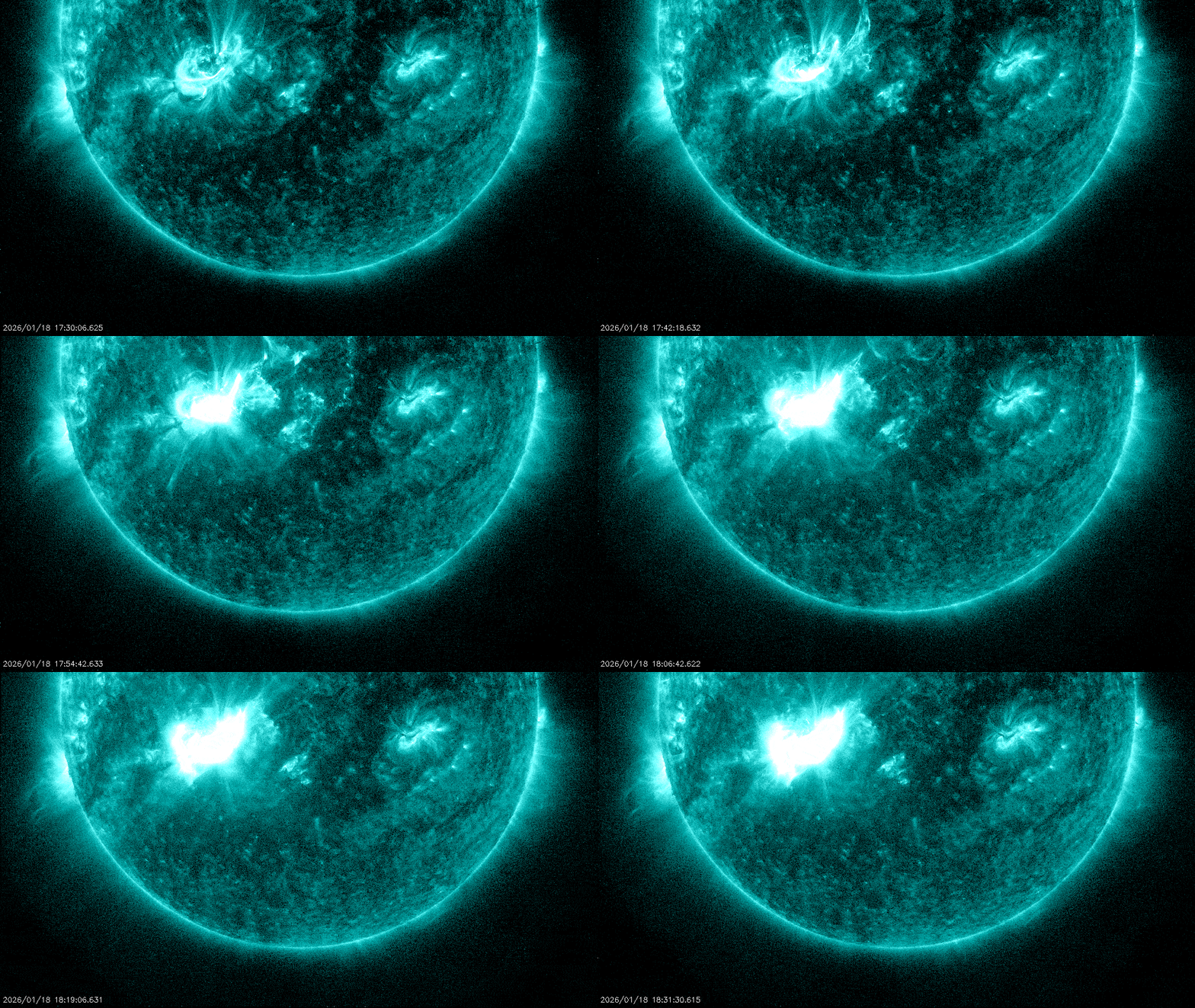
A “severe” record-breaking geomagnetic storm shook Earth’s magnetic shield shortly after the sun unleashed a powerful X-class solar flare last night. This spectacular event, caused by a stream of ultra-fast solar particles, produced widespread aurora borealis at unusually low latitudes in the Northern Hemisphere, particularly in Europe.
Some news outlets have reported that this storm is the “largest” of its kind since 2003, but this is an exaggeration (the “Mother’s Day Storm” in May 2024 was much stronger). However, the recent explosion broke a 23-year specific solar radiation record.
you may like
According to the National Oceanic and Atmospheric Administration’s (NOAA) Space Weather Prediction Center (SWPC), geomagnetic activity first peaked at 2:38 p.m. ET, when the storm reached G4 (“severe”) status. According to SWPC’s second report, the storm subsided slightly and reached G4 status again at 3:23 a.m. ET on Tuesday (January 20).
G4 is the second highest level that a geomagnetic storm can reach. Under these conditions, solar radiation can cause temporary radio interference, disrupt or damage orbiting spacecraft, and impact infrastructure on the ground. However, it is too early to tell what specific problems this storm caused.
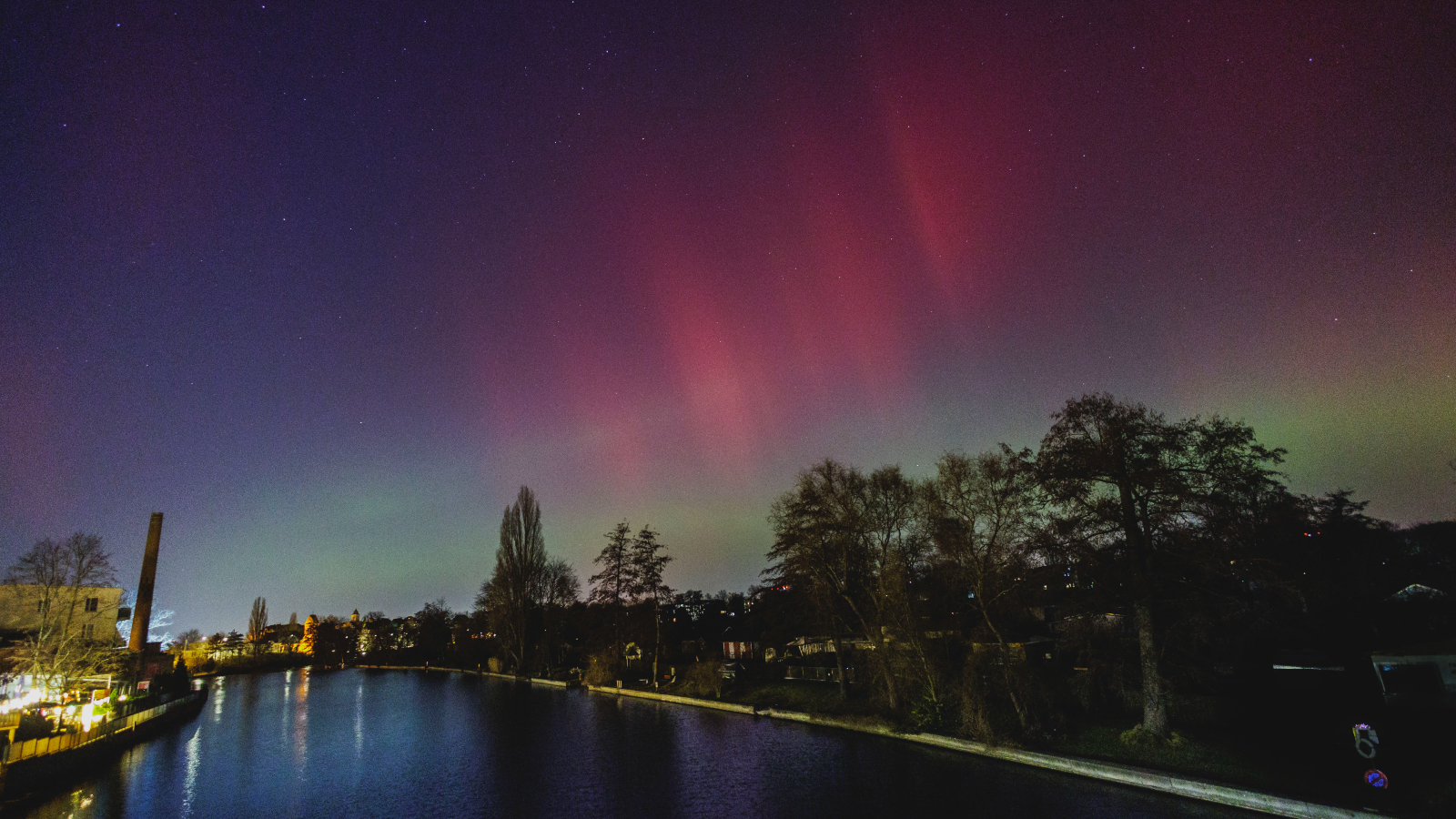
According to Spaceweather.com, the aurora borealis was widely seen in parts of the UK and Europe, including France, Germany, Switzerland, Austria, Belgium, Norway, Denmark, the Netherlands and Croatia, where the sun had already set before the storm reached its peak.
According to Space.com, experts predicted that up to 24 U.S. states would see the aurora borealis during the storm. It is unclear whether this actually happened, especially since the first peak of the storm occurred before sunset in North America. But according to Spaceweather.com, skywatchers from as far south as Alabama, Georgia, New Mexico and California have reported seeing the aurora borealis overnight.
More aurora borealis could occur tonight, according to Space.com’s latest aurora forecast. However, the storm is not expected to intensify to G4 levels again.
Image 1/3


23 years of records
Despite some initial reports, last night’s phenomenon was not the largest geomagnetic storm in the past 20 years. That title goes to the May 2024 Mother’s Day Storm, which is the first to reach G5 (‘Extreme’) status since 2003’s infamous Halloween Solar Storm.
The 2024 storm was caused by at least five consecutive CMEs that exploded from an unusually active sunspot, saturating the upper atmosphere with radiation for three days. This created the most widespread aurora borealis in centuries, temporarily altering the “radiation belts” surrounding the Earth.
But while this storm did not reach the height of the 2024 disruption, it was one of the most powerful solar radiation storms on record.
The term solar radiation storm refers to phenomena that occur when solar outbursts, like CMEs, pass through space, rather than their actual impact on Earth. Large radiation storms often cause powerful geomagnetic storms, but other factors such as the direction of the incident radiation and magnetic configuration also influence the response of the Earth’s magnetic field.
The solar radiation storm that caused last night’s aurora borealis has reached S4 (‘severe’) status, which is equivalent to G4 on the solar radiation storm scale. This is the first time this has happened since the 2003 Halloween storm, SWPC representatives wrote on social platform X.
Source link
