
Google’s smart glasses partner Xreal thinks it has finally conquered this notoriously tricky industry
The smart glasses industry has long been a tormented dream of Silicon Valley. The premise is appealing enough. What if people no longer had to stare at their phones all day to enjoy the benefits of mobile computing, but instead could simply wear a lightweight computing device on their face? Science fiction fans (with a strong background in the tech industry) will completely understand this vision.
But for much of the past decade, the industry resembled a financial black hole into which huge investments were sunk, with little or no return.
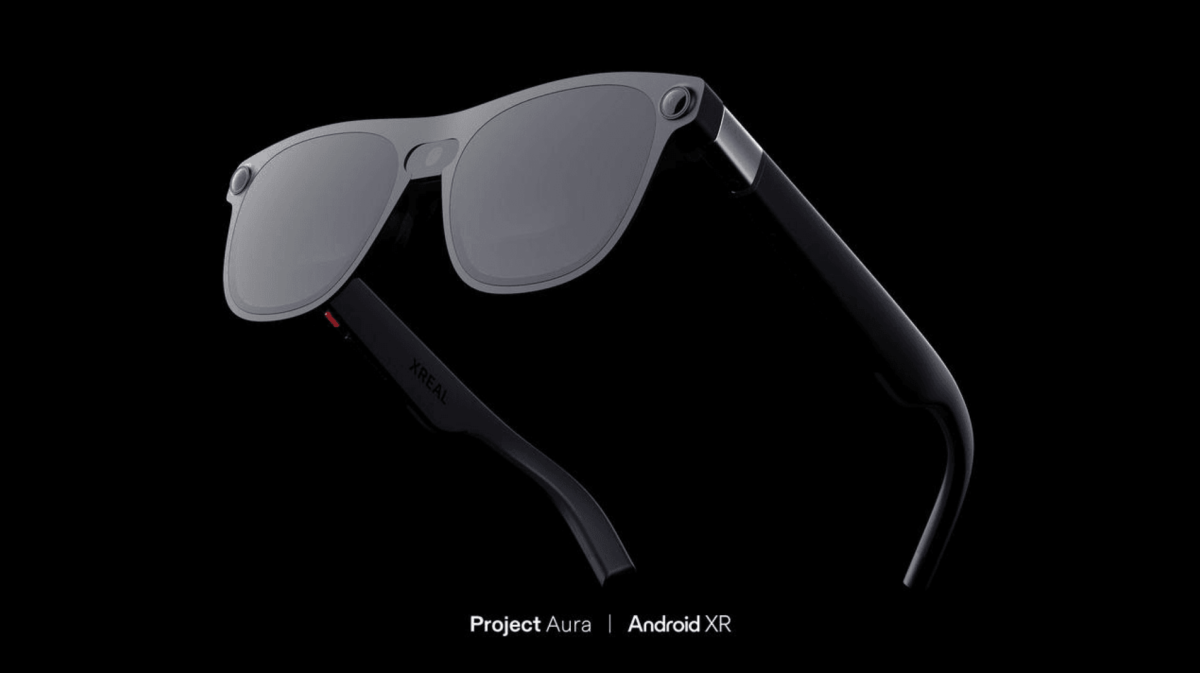
“Everyone is losing money,” said Chi Xu, founder and CEO of smart glasses company Xreal, a longtime Google partner. I met Xu at Google’s I/O conference in Mountain View last week. There he was promoting Xreal’s Project Aura. This is our latest effort to create a functional set of XR glasses that people actually want to use.
“That’s because what we’re doing is very difficult,” he said.
For most of the industry’s existence, the problem with smart glasses seemed to be somewhat obvious. It’s a bulky, uncomfortable, and socially awkward form factor, combined with software of little benefit. But now industry players, including Xu, feel their business may be turning a corner and reaching a tipping point.
That supposed inflection point has to do with meta. Meta partnered with Ray-Ban in 2023 and launched one of the first lines of models that actually managed to sell many units. (It’s worth noting, however, that Reality Labs, the division responsible for the glasses, is still suffering huge losses.)
Now, with the form factor shrinking and the software improving, Xu feels Xreal can finally become a leader in this space. “All the important pieces need to be in place. The hardware needs to be ready, the operating system needs to be ready, and we need a better user interface,” Xu said.
Xreal’s latest model, Aura, is a pair of wired smart glasses with an integrated OLED display that allows you to watch high-definition video within the frame itself. Somewhat awkwardly, Aura is tethered to a “pack.” This is essentially a small computer in the form of a phone that powers the experience behind the glasses. When you use it, you ostensibly just put it in your pocket.
But in exchange for the pack’s awkwardness, users can get a variety of fun experiences with the glasses, including an immersive Google Maps app, VR YouTube videos, and a “Paint app” that uses the power of hand tracking to create holographic images that only you can see. There will also reportedly be games that can be played (again) via hand tracking, as well as basic web surfing capabilities.
“Whether you follow a floating recipe while cooking, set up a private workspace in a coffee shop or on a plane, or watch a movie on your virtual big screen at home, the experience is seamless,” the company promises.
Xu also said he envisions the device being used not only by consumers but also by professionals. “Not only can you watch an NBA game in hologram format, but you can also go to a coffee shop and get some work done,” he said.
Currently, the glasses are only available to developers, but are expected to be commercially available later this year. Xreal is also working on an IPO, which is expected to take place before the end of 2026, but Xu declined to say much about it.
In the meantime, the company is committed to making profits. Xu says his company is increasing gross profits while reducing marketing and sales costs. “Next year will be the year we actually break even,” he says.
If you buy through links in our articles, we may earn a small commission. This does not affect editorial independence.
Source link

