
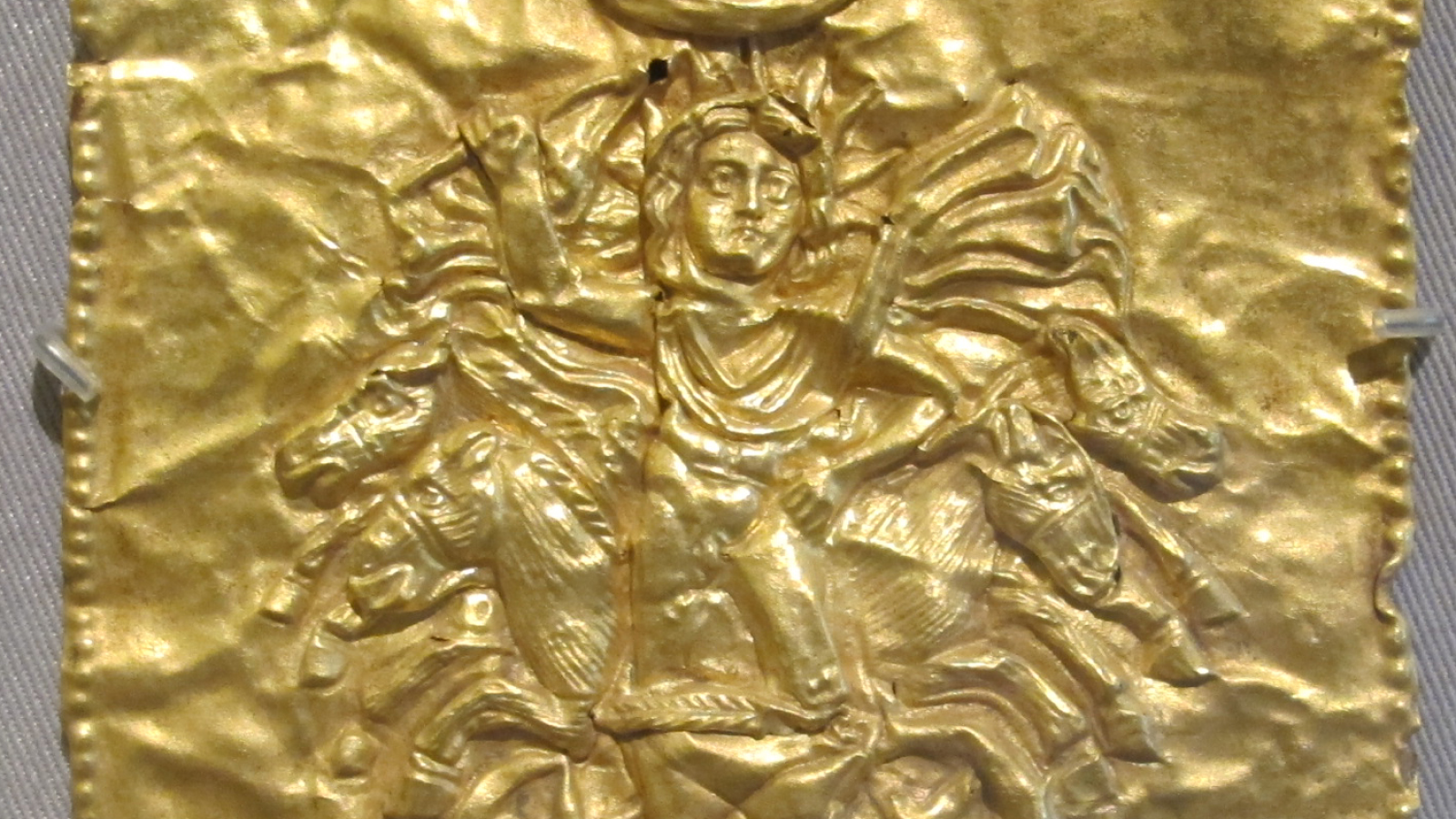
“All I desire is an income of 20,000 sesterces from a safe investment,” declares a character in a poem by the Roman poet Juvenal (1st-2nd century AD).
Today, 20,000 sesterces are approximately [Australian] Interest from investment is $300,000. Anyone would be happy with this much passive annual income.
A noble house that hides silver
In ancient Greece and Rome, there were no stock markets where companies could buy and sell stock.
If you wanted to invest your cash, one of the most popular options was to acquire gold or silver.
People did this to protect themselves from currency fluctuations and inflation. They usually stored metals in the form of bullion or in the form of products such as jewelry. Storing these items is risky and can lead to theft.
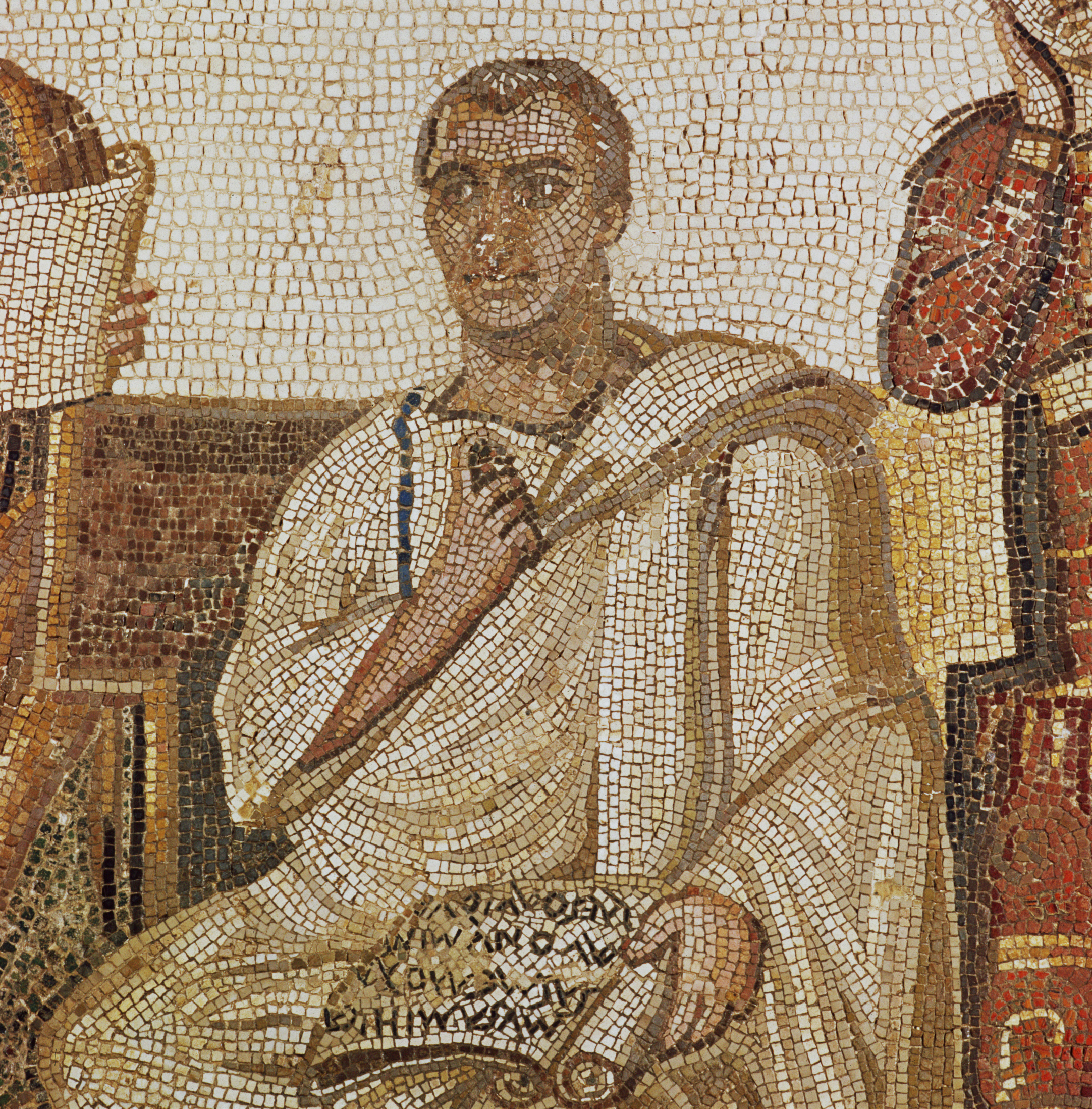
The Roman poet Virgil (70 BC to 19 BC) described the fortunes of wealthy men as including “high houses in which the talents of silver were deeply hidden,” along with “the weight of gold in bullion and pottery.”
you may like
One talent was the largest unit of monetary measurement in ancient Greece and Rome and was equivalent to approximately 25 kg. [55 pounds] of weighed silver.
Usually metals were stored in special vaults or safes.
The Roman writer Cicero (106 BC-43 BC) recalls how a wealthy woman named Claudia took gold (perhaps bars, ingots, plates, etc.) from her safe when she wanted to lend money to someone. After that, gold could be exchanged for coins.
Market booms and busts
However, the prices of these metals can be subject to unpredictable fluctuations and price crashes, although to a lesser extent than currencies.
The Greek historian Polybius (c. 200 B.C.-c. 118 B.C.) said that the discovery of a new gold deposit in Aquileia, Italy, only two feet deep, sparked a gold rush. The new material flooded the market so quickly that after just two months, “the price of gold across Italy suddenly fell by a third.” Mining in the region quickly became monopolized and regulated to stabilize the price of gold.
When people wanted to trade precious metals, they sold them by weight. If gold, silver, or bronze has been made into jewelry or other objects, it can be melted down and turned into bullion.
People must have found joy in owning these precious metals.
The Athenian writer Xenophon (c. 430-350 B.C.) offers a hint at the mindset of ancient silver investors.
Silver is not like furniture; once you have enough for your home, you don’t buy any more. No one yet has so much silver that they don’t want more. When a person realizes that he has a large amount of it, he takes as much pleasure in filling the surplus as in using it.
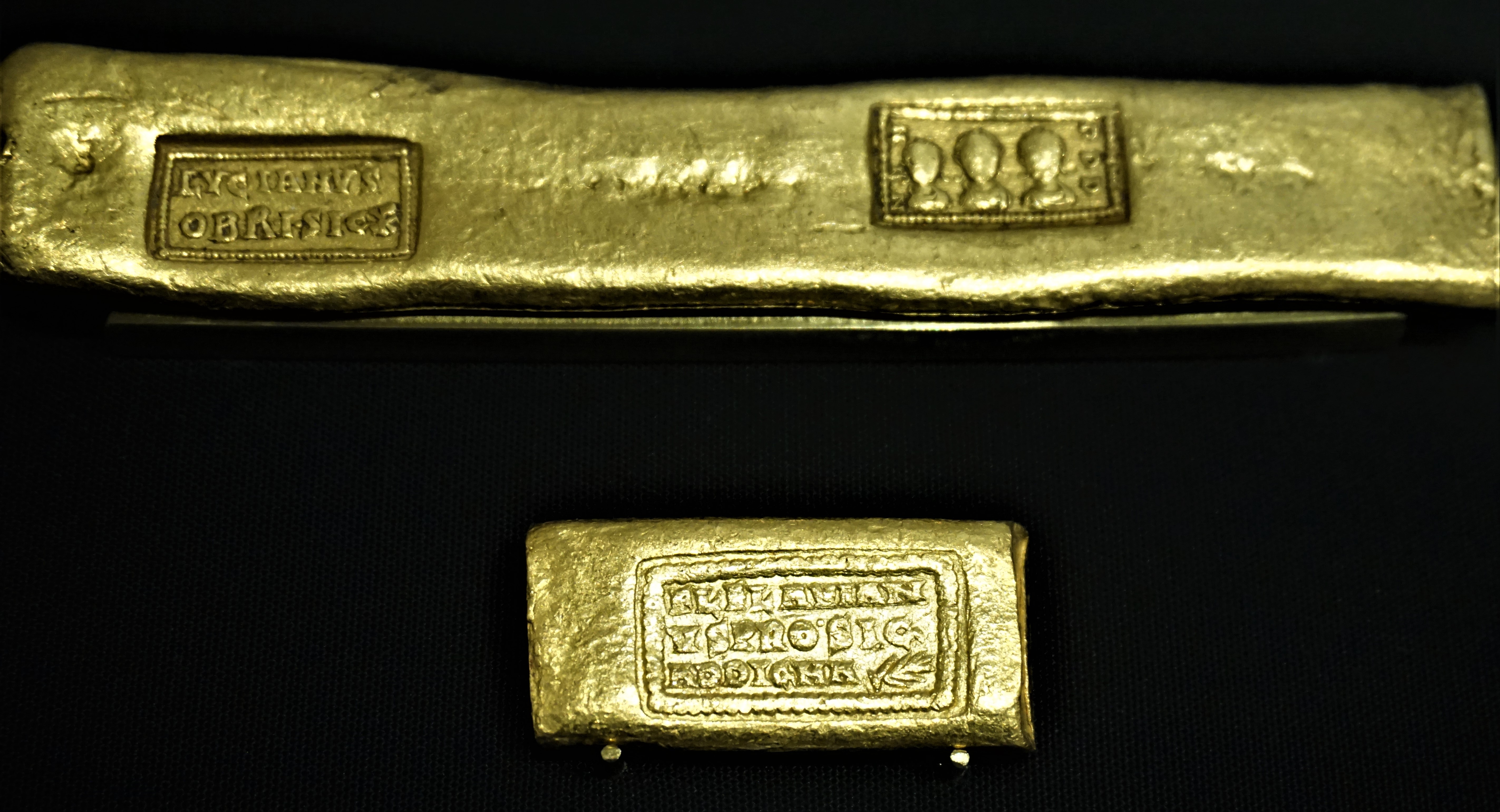
Many Roman wills reveal that people left silver or gold to their heirs in the form of bars, plates, or ingots.
Products that could not be “destroyed by Jupiter”
Besides metals, agricultural products were also very popular, especially grains, olive oil, and wine.
In order to make a profit from agricultural products, people bought agricultural land and traded the agricultural products in markets.
The Roman politician Cato believed that putting money into the production of essential goods was the safest investment. He said these things “will not be messed up by Jupiter,” in other words, they are resistant to unpredictable movements in the economy.
Precious metals were a store of wealth, but they had to be sold to generate income. However, a diverse portfolio of agricultural products guaranteed a permanent income.
People also invested in and traded valuable items such as art.
When the Romans sacked the city of Corinth in 146 BC, to benefit the Roman state, they stole the city’s famous art collection and later sold the masterpieces at auction for huge sums of money.
At this auction, King Attalus II of Pergamon (220-138 BC) purchased one of the paintings by the Theban master Aristides (4th century BC) for the incredible sum of 100 talents (approximately 2,500 kg). [5,500 pounds] made of silver).
eccentric emperor
Political instability and uncertainty have sometimes caused the prices of these metals to rise.
The Greek historian Appian (2nd century AD) recorded the Roman Civil War from 32 BC to 30 BC:
The prices of all goods soared, and the Romans attributed the cause to the quarrels of their cursed leaders.
Eccentric emperors may impose new taxes and fees on goods, or attempt to manipulate the market.
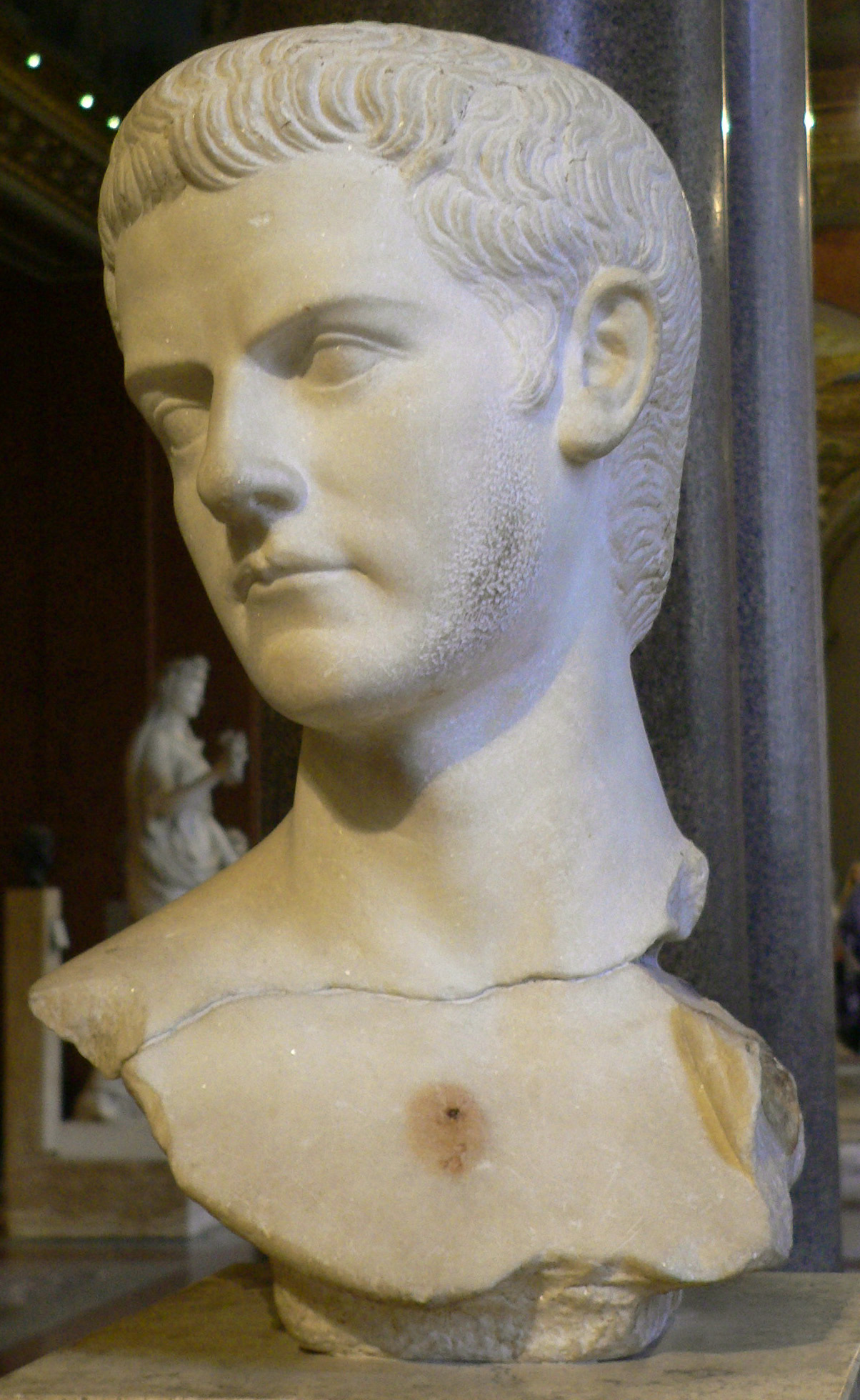
The Roman historian Suetonius (c. 69-122 A.D.) said that Emperor Caligula (12-41 A.D.) “imposed new and unprecedented taxes.” […] And there was no commodity or personnel on which he did not impose some form of tariff. ”
Another emperor, Vespasian (AD 17-79), went so far as to “purchase certain products just to distribute them at a profit,” Suetonius says.
While it’s clear that investing in products from 2,000 years ago could help build personal wealth, it also involved some degree of risk, just as it does today.
This edited article is republished from The Conversation under a Creative Commons license. Read the original article.
