
Lithium-ion battery fires are rapidly increasing. Firefighting technology is struggling to catch up
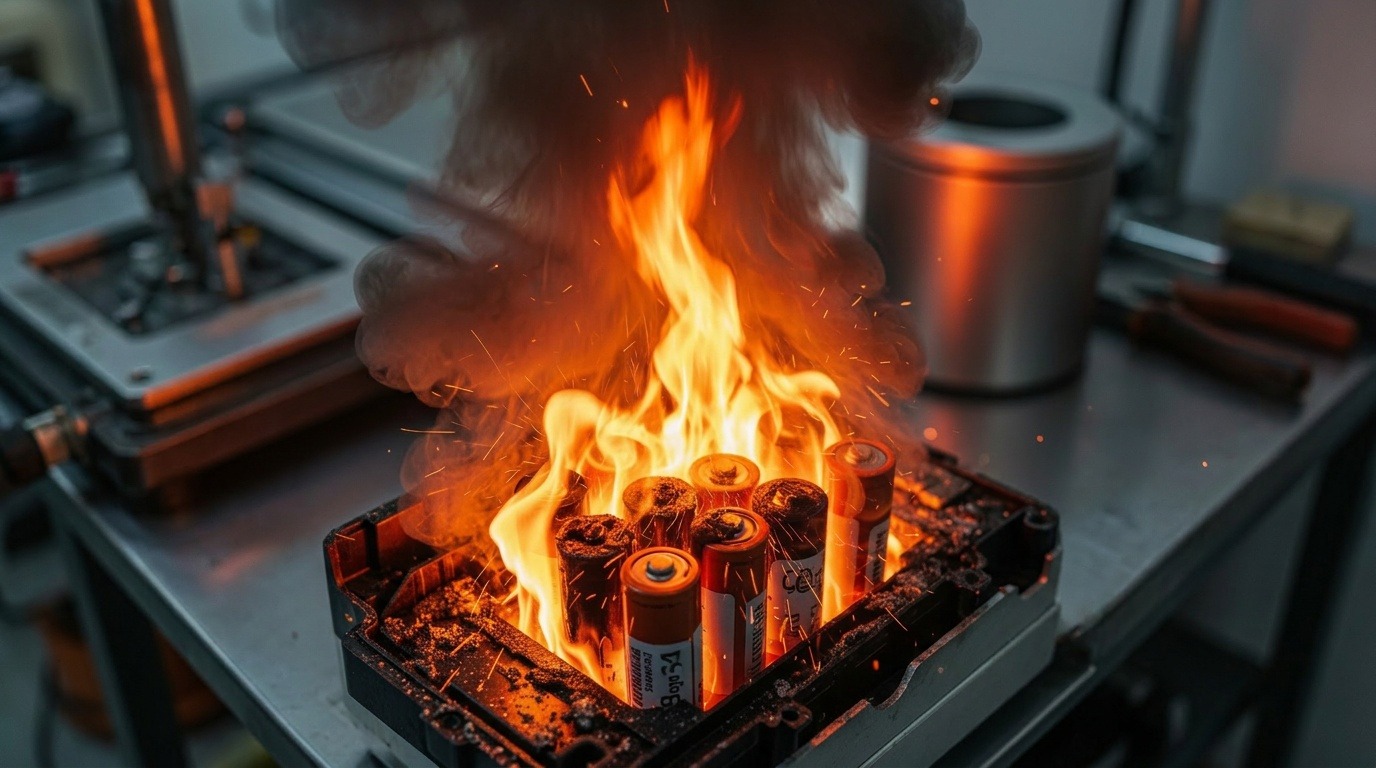
From electric cars and e-bikes to grid-scale energy storage systems, lithium-ion batteries are becoming central to modern life.
But as governments and industry accelerate the transition to electrification, fire and safety regulators face increasing challenges. Lithium-ion battery fires are becoming more frequent and notoriously difficult to extinguish, exposing the limitations of existing fire suppression techniques.
In cities such as London, New York City and Seoul, authorities have reported an increase in the number of fires involving lithium-ion batteries, particularly electric bicycles and scooters. Large-scale battery fires have also caused evacuations and environmental concerns in several countries over the past decade, raising questions about whether safety infrastructure is keeping up with the rapid adoption of battery-powered technology.
Unlike traditional fires, lithium-ion battery fires burn at very high temperatures, can rekindle hours after appearing to be extinguished, and can release toxic gases as they burn. Firefighters often require large amounts of water to cool battery cells and stop thermal runaway that occurs when overheating spreads from one cell to another.
At the same time, heightened scrutiny of PFAS, the so-called “forever chemicals” historically used in some firefighting foams and systems, is creating new challenges for emergency responders and industry. Environmental regulators around the world are tightening regulations on PFAS compounds due to concerns about their association with groundwater contamination, environmental persistence, and serious health risks.
As a result, the transition to clean energy presents a complex dilemma. While society is rapidly adopting lithium-ion battery technology, it is still searching for environmentally safe and effective ways to combat potential fires.
Why lithium-ion battery fires are on the rise
The increase in lithium-ion battery fires is closely related to the explosive growth in battery-powered technology. Lithium-ion batteries currently power smartphones, laptops, electric bicycles, electric vehicles, industrial machinery, and large-scale renewable energy storage systems. Their appeal lies in their ability to store large amounts of energy in a compact, lightweight design.
But that energy density also creates risks.
Lithium-ion batteries contain flammable electrolytes and tightly packed cells that can become unstable if damaged, overheated, improperly charged, or have manufacturing defects. In some cases, failure of a single cell can trigger a process known as thermal runaway. In this process, heat rapidly spreads to neighboring cells in a cascading chain reaction.
Temperatures inside the battery pack can exceed 1,000°C, creating a severe fire that is difficult to control. This reaction can continue internally even after the visible flame is extinguished, which explains why flare-ups are one of the hallmarks of lithium-ion battery fires.
This problem is particularly acute in the rapidly growing e-bike and e-scooter market. Fire investigators have repeatedly linked incidents to low-quality batteries, counterfeit chargers, and modified battery systems. In crowded urban environments, where passengers often charge their devices inside apartments or shared buildings, fires can spread quickly, leaving little time to escape.
Electric vehicles present other challenges. Research shows that while EV fires occur less frequently than gasoline vehicle fires overall, EV lithium-ion battery fires are more complex to operate when they occur. Damaged battery packs can smolder inside for hours, requiring firefighters to monitor vehicles long after the flames are extinguished.
There is also increased scrutiny of battery storage facilities. Countries investing heavily in renewable energy infrastructure rely on large-scale lithium-ion energy storage systems to stabilize their power grids. However, several major fires at battery storage facilities in recent years have raised concerns about fire suppression systems, emergency plans, and environmental contamination.
Why are these fires so difficult to put out?
For firefighters, lithium-ion battery fires behave very differently than traditional combustion fires.
Traditional firefighting strategies often focus on blocking oxygen and suppressing surface flames. However, lithium-ion batteries generate heat internally due to chemical reactions that occur within the sealed cells. In thermal runaway, a fire can persist even after the external flame has been extinguished.
As a result, firefighters often use large amounts of water, not just to put out the fire, but also to cool the surrounding cells and prevent the reaction from spreading further within the battery pack.
Some EV accidents can cause crews to use tens of thousands of liters of water over several hours. Still, the threat may not be completely contained. Reignition remains a major operational concern, especially when moving damaged battery packs to salvage yards or confined spaces.
Toxic gas emissions add an additional layer of complexity. Lithium-ion battery fires can release harmful gases such as hydrogen fluoride, along with heavy metals and particulates. Responders must manage both the fire itself and the potential health risks to nearby residents and cleaning personnel.
The scale of the challenge revealed a broader problem. Battery technology has evolved faster than the systems designed to manage battery failure.
Fire departments in many countries are still adjusting their operating procedures for lithium-ion battery fires, while regulators continue to debate how buildings, transportation systems, and industrial sites should be designed to reduce battery-related risks.
Environmental issues behind firefighting efforts
As lithium-ion battery fires become more common, another environmental issue is coming into focus: PFAS contamination.
PFAS (per- and polyfluoroalkyl substances) are synthetic chemicals used in a wide range of industrial and consumer products because of their resistance to heat, water, and oil. For decades, PFAS compounds have been widely used in fire suppression foams designed for fuel fires, especially in aviation, petrochemical, and military settings.
However, PFAS chemicals do not easily break down in the environment. Studies have linked some compounds to cancer, immune system damage, hormonal disorders, and groundwater contamination. As a result, regulatory authorities in Europe, North America, and other countries are moving to restrict its use.
Although water remains the primary extinguishing method for many lithium-ion battery fires, PFAS-containing fire suppression systems are still part of industrial firefighting infrastructure and specialized fire suppression techniques.
This creates a difficult paradox for the transition to clean energy.
Currently, many technologies designed to reduce carbon emissions rely on lithium-ion batteries. However, some firefighting systems have historically relied on chemicals that are increasingly viewed as harmful to the environment.
Airports are one of the clearest examples of this tension. Many companies are already dealing with large-scale PFAS remediation costs associated with decades of firefighting foam use, while preparing for future risks associated with lithium-ion battery accidents in aircraft systems, cargo transportation, and electric ground vehicles.
Why PFAS-free fire extinguishing solutions are important
Increased environmental scrutiny surrounding PFAS is accelerating the search for alternative fire suppression technologies that can address lithium-ion battery fires without posing long-term contamination risks.
Researchers and fire protection companies are currently developing PFAS-free suppression systems designed specifically for battery-related incidents. These include water mist technology, mineral-based inhibitors, encapsulating agents, and advanced cooling systems to slow or prevent thermal runaway.
Some battery manufacturers are also redesigning battery packs with improved insulation layers and monitoring systems to help prevent fires before they occur.
But experts warn that there is no universal solution yet.
Lithium-ion battery fires vary widely depending on battery chemistry, size, and application. An electric bike battery fire inside a residential building presents different challenges than an electric vehicle fire inside a grid-scale energy storage facility or tunnel.
This complexity means that the future of fire protection for lithium-ion batteries is likely to depend on multiple layers of protection rather than a single technological advance. Safer battery manufacturing, stricter charger regulations, improved recycling systems, early fire detection and PFAS-free fire suppression technologies will all need to evolve together.
Increasing risks in the battery era
The rapid rise in lithium-ion battery fires does not undermine the broader case for electrification. Electric vehicles and battery storage systems remain at the heart of efforts to reduce dependence on fossil fuels and expand renewable energy infrastructure.
However, the rise in battery-related fires has exposed major gaps in the transition to clean energy. The world adopted lithium-ion technology faster than it could develop the systems needed to safely contain failures.
The challenge now extends beyond just fire safety. This has also become an environmental, regulatory, and public health issue.
The next stage of electrification may depend not only on how efficiently societies can store energy, but also on whether they can manage the risk of lithium-ion battery fires without replacing one environmental problem with another.
Sponsored by Anogas BV
As EV battery fires reshape emergency response, learn how hydrogels are engineered for lithium-ion incidents with superior cooling efficiency, PFAS-free chemistry, and support to reduce reignition and thermal runaway spread.
Learn more about hydrogels here.
Source link

