
PFAS monitoring permanently detects chemicals in all rain and snow samples across the Great Lakes
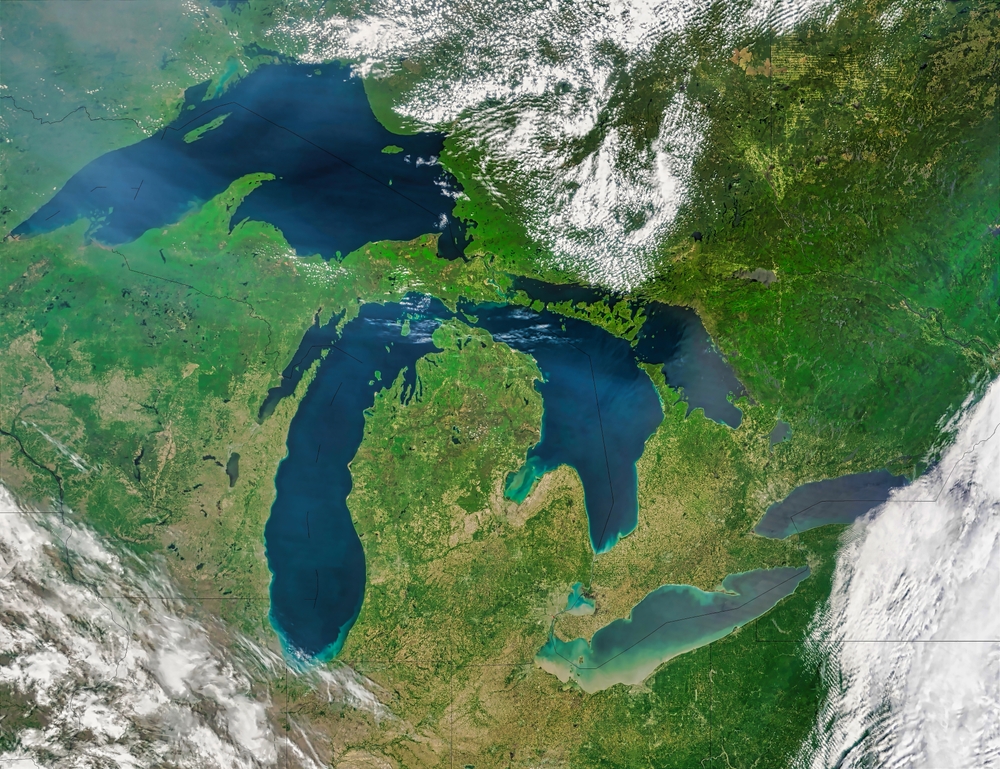
Minnesota Sea Grant researchers said new findings from a two-year study show that PFAS contamination continues to enter the Great Lakes region through rain and snow.
The project, funded by the U.S. Geological Survey, monitored precipitation at five locations across Minnesota and Michigan and detected PFAS in all samples collected.
The research will be presented at the National Atmospheric Sediment Program Science Symposium in Madison, Wisconsin, in June.
Scientists involved in the project say the results strengthen evidence that airborne PFAS contamination is widespread and can travel long distances before establishing itself in watersheds, lakes and surrounding ecosystems.
The findings also raise concerns about the limitations of current PFAS monitoring methods. Researchers found that routine testing only captures a small fraction of the fluorinated chemicals present in precipitation, suggesting that environmental pollution may be more widespread than previously understood.
PFAS detected in all samples during the two-year study
PFAS are synthetic chemicals widely used in consumer and industrial products such as nonstick cookware, waterproof clothing, firefighting foam, and food packaging.
Many PFAS compounds degrade so slowly that they are sometimes referred to as forever chemicals.
The new study focused on atmospheric deposition, the process by which chemicals in the atmosphere return to Earth through precipitation.
Weekly rain and snow samples were collected over two years to better understand how PFAS enter the Great Lakes environment.
Project leader Alex Free, research and fellowship coordinator at Minnesota Sea Grant, said the researchers were surprised by both the consistency of PFAS detection and the changes in the chemical composition of the samples.
By continuously monitoring PFAS, Free said, researchers were able to identify short-term spikes in contamination levels that might have been missed with less frequent testing.
The study found that atmospheric deposition appears to be a persistent source of PFAS contamination throughout the region.
Track potential pollution sources with atmospheric modeling
The researchers also used atmospheric transport modeling to investigate the path of air masses before precipitation events occur.
Scientists are beginning to identify potential source areas associated with contamination by comparing weather patterns and PFAS measurements.
Miguel Bernardez, a postdoctoral fellow who worked on the study, said tracking atmospheric transport at this scale is extremely complex because researchers are analyzing trace chemical concentrations spread over a vast geographic area.
The modeling work supports growing evidence that PFAS contamination is not limited to wastewater discharge sites or industrial facilities near waterways.
Instead, airlifting can allow PFAS and related fluorochemicals to travel hundreds of miles before being deposited by rain or snowfall.
This discovery has major implications for environmental management across the Great Lakes Basin, with regulators and researchers increasingly focusing on regional contamination pathways rather than isolated local sources.
Current PFAS monitoring may miss hundreds of chemicals
The third analysis presented by the research team examined whether existing PFAS monitoring programs adequately measure the full range of fluorinated chemicals in the environment.
Graduate researcher Quinn Whiting compared measurements of 33 commonly monitored PFAS compounds with extensive testing for extractable organofluorides.
The results showed that standard PFAS testing only accounted for a small portion of the total fluorinated chemicals detected in the sediment samples.
Additional screening identified approximately 300 different fluorinated chemical signals, including pesticides, pharmaceutical compounds, PFAS precursors, and other substances not typically included in environmental testing programs.
Whiting said many people assume that standard PFAS monitoring captures all contamination, but current approaches measure only a limited subset of the thousands of PFAS compounds thought to exist worldwide.
The findings suggest that advanced non-targeted analysis techniques may become increasingly important to understanding the true scale of PFAS contamination in the Great Lakes region.
Long-term monitoring of PFAS could shape future policy
Researchers also observed seasonal changes in air pollution levels, with some fluorinated compounds increasing from spring to summer and decreasing in winter.
Scientists involved in the project say the study could help environmental authorities develop more accurate PFAS budgets for watersheds and improve pollution control strategies across the region.
This study adds to the growing body of evidence that atmospheric transport plays an important role in spreading PFAS contamination throughout the Great Lakes ecosystem.
Source link

