

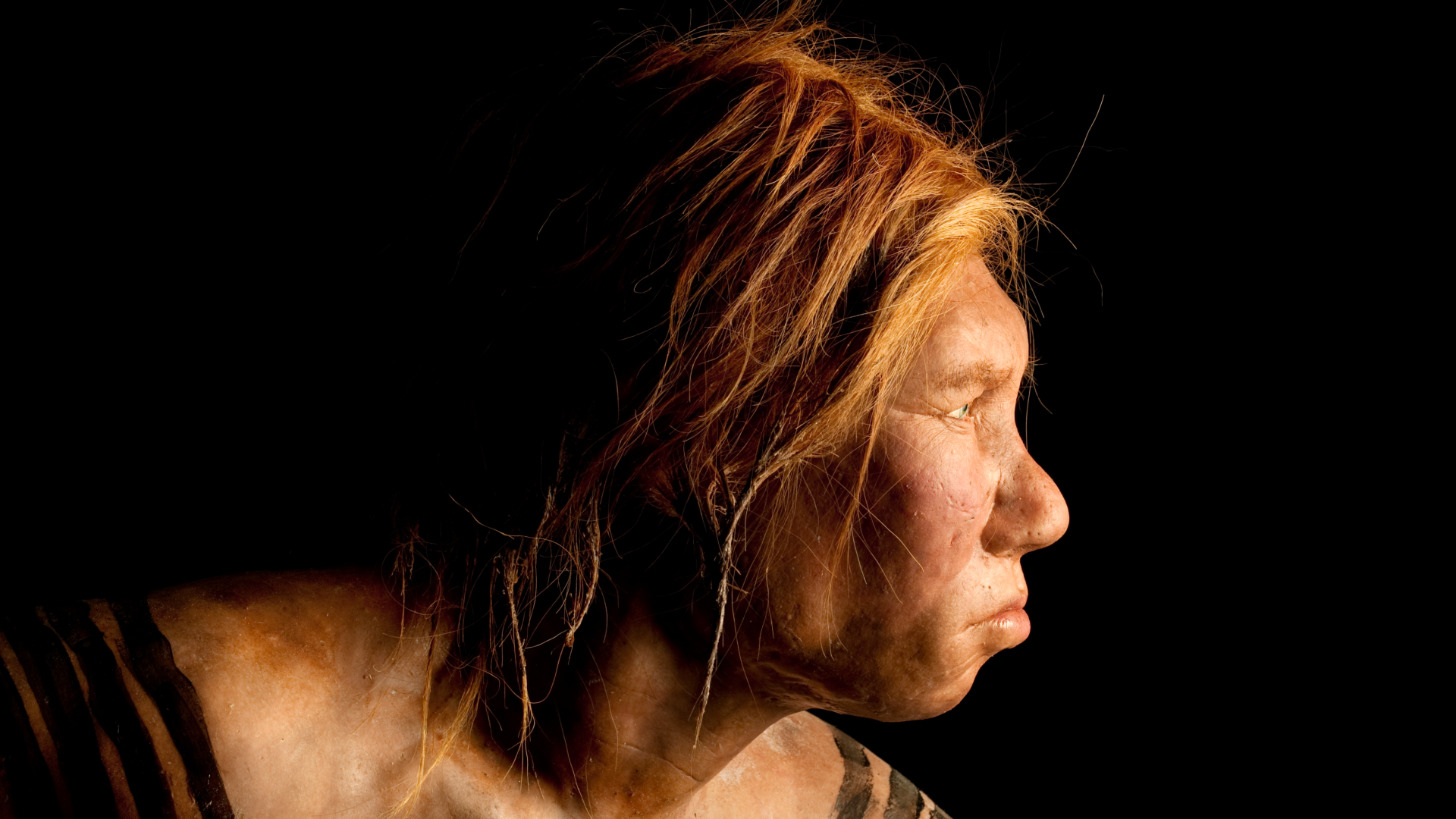
The mysterious disappearance of a Neanderthal cousin may have been linked to pre-eclampsia, a life-threatening complication of pregnancy and/or postpartum, doctors propose in a new study. But paleoanthropology experts aren’t convinced.
In a paper published in the Journal of Reproductive Immunology on January 30, an international team of neonatologists and obstetricians and gynecologists argued that preeclampsia and eclampsia, related diseases that involve one or more seizures during pregnancy or the puerperium, “have not been seriously considered in hypotheses regarding Neanderthal reproductive biology and their eventual extinction.”
These symptoms are not fully understood by medical experts, but appear to be related to evolutionary peculiarities of the human placenta. Given the number of genes it shares with its extinct relatives, it may also have influenced the Neanderthal placenta. (However, the researchers did not investigate such genes in the new study.)
you may like
Preeclampsia in humans
Preeclampsia involves dangerously high blood pressure, which can put stress on a pregnant person’s heart and other organs such as the kidneys and liver. This condition affects up to 8% of pregnancies today and can also occur in the postpartum period. It can also progress to eclampsia, which can cause seizures and, in some cases, brain damage. If untreated, both conditions can be life-threatening to the pregnant woman and her unborn child.
Research on preeclampsia shows that abnormal and shallow implantation of the placenta within the uterus may be one cause of this condition. The extraordinary metabolic demands of infants in large-brained hominid species likely involve deep implantation of the placenta to ensure sufficient maternal-fetal nutrient transfer, the researchers wrote.
The theory is that if the placenta is in an inappropriate position to obtain enough nutrients for the fetus, the mother’s blood pressure may rise, especially during the third trimester, when the fetus’s brain is rapidly developing. This can lead to preeclampsia, eclampsia, and fetal growth restriction, all of which complicate the pregnancy and threaten the survival of mother and baby.
Given this insight into preeclampsia, the study authors write that the condition “constituted an additional underappreciated selection pressure on Neanderthals and may have contributed to their extinction.” They hypothesized that Neanderthals “may lack an important protective mechanism” against preeclampsia, which some study authors previously suggested modern humans possess. However, this idea is still at the speculative stage, and no such mechanism has yet been discovered.
If Neanderthals lacked a “maternal safety mechanism” to avoid preeclampsia, the researchers proposed, this could have led to loss of fertility and maternal death, hastening their extinction as a group.
the anthropologist answers
But experts in Neanderthal archeology and genetics are unconvinced, especially since new research shows no evidence that Neanderthals were dealing with preeclampsia.
“The ‘preeclampsia doomed Neanderthals’ framework goes far beyond the available evidence,” Patrick Eppenberger, co-director of the Evolutionary Pathophysiology and Mummy Research Group at the Zurich Institute for Evolutionary Medicine, who was not involved in the study, told Live Science via email.
you may like
While Professor Eppenberger agrees that pre-eclampsia is unique to humans and related to the evolution of the human placenta, “what is much more difficult to support is that pre-eclampsia was found in Neanderthals than in early Homo sapiens. The argument is that pre-eclampsia was more frequent and more deadly, or that pre-eclampsia played a major role in their extinction, especially given the long survival of Neanderthals over 300,000 years.”
In his research, Eppenberger found that mutations in red blood cell genes between Neanderthals and modern humans may have prevented some hybrid babies from surviving, hastening their extinction.
“Why Neanderthals went extinct is a question that has captured the imagination of the public and researchers alike,” April Nowell, a paleolithic archaeologist at the University of Victoria in Canada who was not involved in the study, told Live Science in an email. “Everyone is looking for a definitive answer.”
However, the reasons for the disappearance of Neanderthals are complex. “I have long argued that minimal Neanderthal survival differences are the key to understanding the Neanderthal story, but this study is not particularly convincing,” Nowell said.
If researchers are correct that Homo sapiens evolved a mechanism to alleviate preeclampsia, the condition could have contributed to the extinction of Neanderthals, Nowell said. But given the extensive evidence that genes are shared among human populations, “My thinking is that it’s equally possible that Neanderthals, Denisovans, and Homo sapiens shared this mitigation mechanism,” Nowell said.
“I think this paper is an interesting thought experiment in evolutionary medicine,” Eppenberger said. Eppenberger said there is currently no direct evidence that Neanderthals had higher rates of pre-eclampsia or eclampsia than modern humans, but there may be ways to test the researchers’ theories, such as examining maternal-fetal immune interactions and genes involved in regulating placental and fetal development. However, there may not be a clear answer.
“While genetics can provide clues about plausibility and population differences, it will not ‘confirm’ preeclampsia in Neanderthals the way clinical data can,” Eppenberger said.
The study authors did not respond to requests for comment by the time of publication.
Robillard, P.-Y., S. Saito, and G. Decker. (2026). Why reproduction was probably so problematic in Neanderthals: The surprising history of preeclampsia. Journal of Reproductive Immunology 174. https://doi.org/10.1016/j.jri.2026.104852
Neanderthal quiz: How much do you know about our closest relatives?
Source link
