

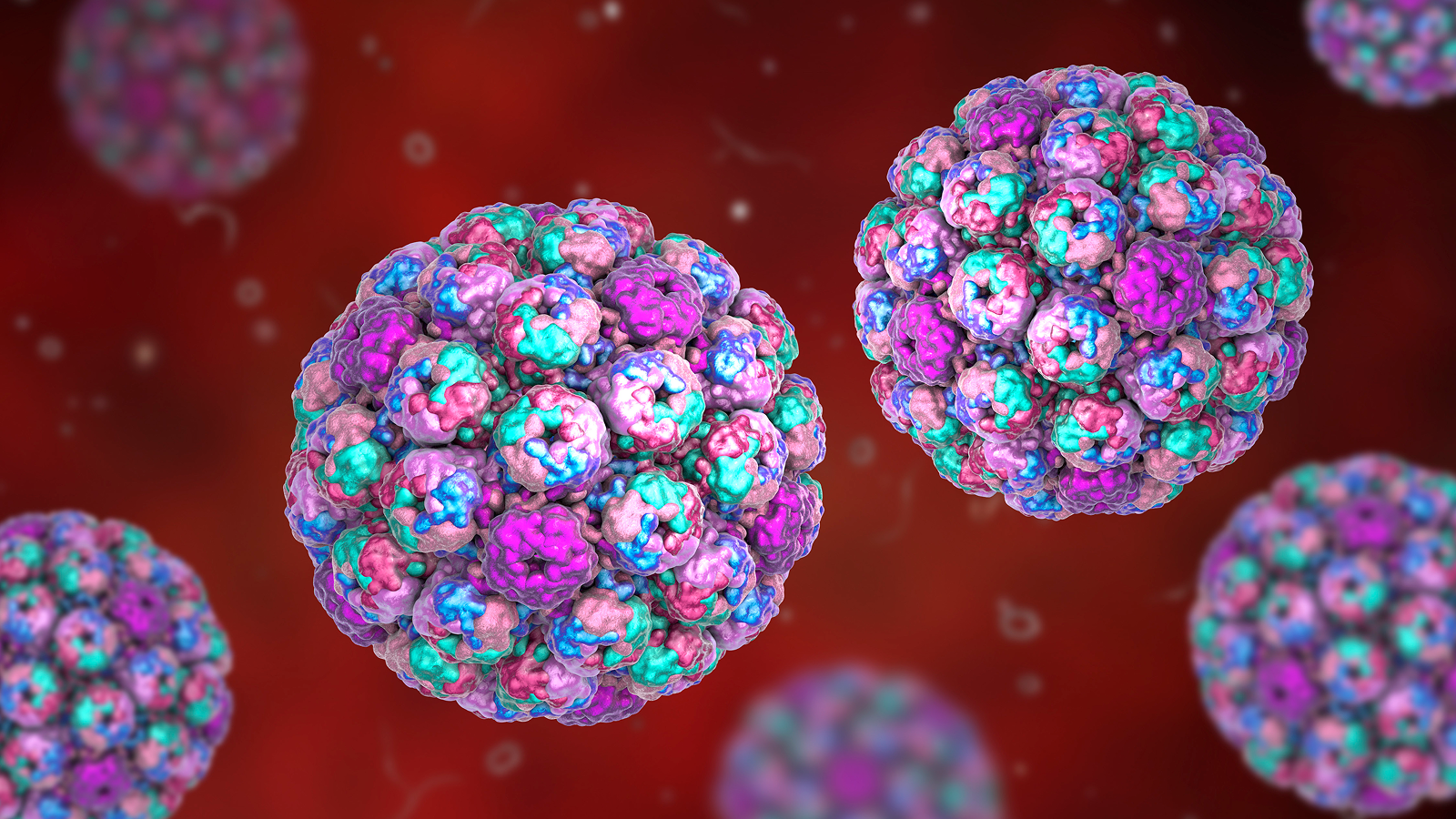
Scientists believe a very common childhood infection may be linked to bladder cancer, and are currently unraveling the chain reaction linking the two diseases.
It is known that kidney transplant recipients are three times more likely to develop bladder cancer than the general population. Researchers hypothesize that because transplant patients are immunosuppressed, dormant viruses in their bodies may be given an opportunity to reactivate.
you may like
In a study published Dec. 3 in the journal Science Advances, researchers showed that the virus can cause the type of DNA damage that is also seen in bladder cancer that occurs later in life. But rather than discovering DNA mutations caused directly by the virus, researchers discovered that the body’s own immune system was the culprit.
“This is a well-constructed laboratory study that shows that BKV may play a larger role in bladder cancer than previously thought,” Dr. Patrick Moore, a tumor virology researcher at the University of Pittsburgh who was not involved in the study, told Live Science in an email.
connect the dots
There are several types of viral infections that can cause cancer. Some viruses, such as HPV, take over an infected person’s host cells and insert their genetic material into the human genome, causing the host cells to become cancerous. However, some cancers, such as those originating from the bladder, have no detectable virus, but still have genetic signs of a previous viral infection.
“The long-standing theory since the 1950s is that smoking and industrial exposure are the main causes of bladder cancer,” said study lead author Simon Baker, a cancer researcher at the University of York in the UK. However, the pattern of DNA mutations seen in bladder cancer is different from that caused by chemical carcinogens.
Instead, these cancers show signs of mutations known to be caused by a family of enzymes called APOBEC. Normally, these enzymes help form the body’s first line of defense against viruses and other pathogens. “They have these signatures from APOBEC, and we know that APOBEC is part of the antiviral host defense,” Baker explained.
Baker and his team took healthy human bladder cells and infected them with the BK virus in a laboratory dish. They found that these cells not only exhibited mutations similar to those seen in bladder cancer, but also increased activity of APOBEC3, an enzyme that damages viral genomes in response to infection.
When the scientists turned off APOBEC3 and infected cells with the BK virus, no DNA damage occurred. This finding suggests that enzymes made by host cells, rather than the virus itself, are causing the damage.
you may like
Additionally, the researchers found increased APOBEC3 expression and cancer-like genetic mutations in nearby “bystander” cells that were not infected by the virus. Therefore, cells do not need to contain the actual virus to accumulate genetic mutations caused by infection elsewhere in the body.
“It was a surprise,” Baker said. “But the reason it makes perfect sense is because there are no viruses in bladder cancer.” This finding begins to unravel the link between viral infections in childhood and cancers diagnosed decades later.
starting point
While these initial data are influential, Moore said he would like to see if patients with bladder cancer are infected with the BK virus more often than people without cancer.
“While this is interesting, it is only a starting point and requires further study to demonstrate its real significance for human cancer,” he said.
If you are infected with the BK virus in childhood, you will usually develop cold symptoms before you recover. The virus then becomes inactive, or dormant, in the kidneys, bladder, and ducts between the two organs. For most people, it is not a problem and is not routinely tested outside of the hospital.
However, for people preparing for a kidney transplant, immunosuppressants that prevent rejection of the new kidney can cause reactivation of the BK virus, potentially damaging the kidney, ureter, and bladder in the process.
Tim Tavender, a kidney transplant patient from Southampton, developed a BK virus infection after surgery and eventually developed bladder cancer.
“Looking at this study gives me hope,” Tavender told The Independent. “If scientists like Dr. Baker can find new ways to control the BK virus, other people may not have to go through what I went through. It will change lives.”
This article is for informational purposes only and does not provide medical advice.
Source link
