
Polymer breakthrough could redefine PFAS removal from water
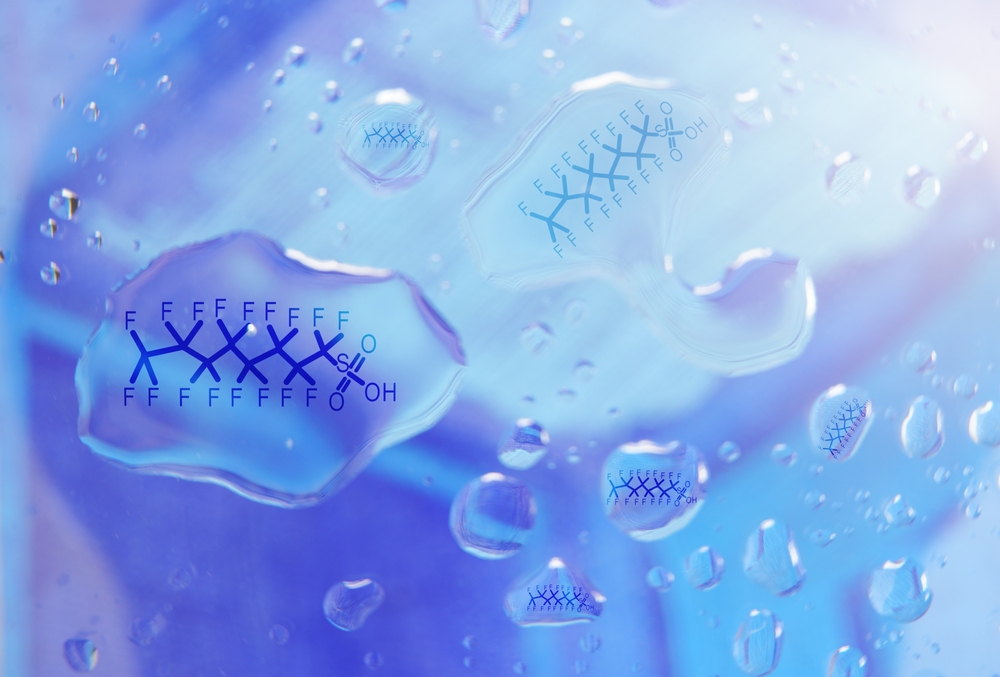
A recent analysis found that man-made materials outperformed traditional filters, but warned that the environmental impact of manufacturing must be addressed.
A new scientific review from Shenyang Agricultural University suggests that specially designed polymeric materials may significantly accelerate the removal of PFAS from drinking water, providing a more targeted approach to capturing the most stubborn forms of these widely detected contaminants.
Per- and polyfluoroalkyl substances, commonly known as PFAS, are synthetic chemicals that have been used for decades in industrial processes and consumer products such as firefighting foams, antifouling textiles, and nonstick coatings.
Its chemical resilience means that it remains in soil and water for long periods of time after release, making it known as an “eternal chemical.” Increased regulatory scrutiny around the world reflects growing evidence of long-term exposure to health and environmental risks.
Why traditional PFAS removal methods are insufficient
Water utilities have traditionally relied on activated carbon and ion exchange resins to reduce PFAS concentrations.
While these techniques remain effective for certain long-chain compounds, they are less reliable when working with short-chain PFAS. Short-chain PFAS are smaller, more mobile, and difficult to capture under real-world conditions.
Short-chain variants are becoming increasingly prevalent as the industry moves away from traditional compounds that face strict regulations.
However, their smaller molecular size allows them to slip through many standard filtration systems, creating a pressing challenge for treatment providers and regulators alike.
Polymer adsorbents offer a customized approach
According to this review, polymer-based adsorbents could provide a more accurate solution. Unlike traditional filtration media, polymers can be manipulated at the molecular level to create binding sites specifically designed for PFAS molecules.
The researchers describe a strategy built around so-called “cooperative bonding microenvironments.” In practice, this means designing polymer structures that can interact with multiple parts of the PFAS molecule simultaneously.
The charged “heads” of the molecules are attracted by electrostatic forces, while the highly fluorinated “tails” are stabilized by hydrogen bonds and regions with high affinity for fluorine.
By combining several interactions within a confined structure, this material improves both selectivity and capture efficiency.
In this review, we investigated multiple classes of emerging polymers, including cyclodextrin-based networks, molecularly imprinted polymers, hydrogels, and electroactive polymers.
Across these categories, many experimental studies have reported PFAS removal rates of 90% or higher, even in water containing competing salts and organics that commonly impede adsorption performance.
Environmental trade-offs in polymer production
Despite promising experimental results, researchers caution that performance indicators alone cannot determine overall sustainability. The life cycle assessments included in the review indicate that the production of advanced polymers can involve significant environmental burdens.
If production processes are not optimized, energy consumption, solvent use, and chemical inputs can offset some of the environmental benefits achieved through improved PFAS removal.
This finding highlights broader challenges in environmental remediation. This means that technologies designed to address pollution also need to be evaluated for their upstream impacts.
Hybrid systems and destructive technology
This review proposes integrating advanced polymers into multistage processing systems rather than completely replacing existing infrastructure. In such configurations, traditional carbon or ion exchange materials first remove most of the contaminants.
The polymer sorbent acts as a polishing step, targeting trace concentrations of residual short-chain PFAS. This multi-layered approach can improve overall efficiency while limiting material use and associated environmental costs.
The authors also point to a “capture, focus, and destroy” strategy as the next step. In this model, a polymer can first selectively accumulate PFAS from water and then use energy-efficient destruction techniques to permanently degrade the concentrated chemicals.
This would address a long-standing criticism of adsorption systems, which often transfer PFAS to another medium rather than remove them.
Impact of tightening regulations
As PFAS regulations continue to fall and detection methods become more sensitive, utilities and industrial operators face increasing pressure to implement more effective treatment solutions.
This review concludes that polymer sorbents have the potential to become the core of next-generation water treatment systems if advances in material design are matched with improvements in sustainable manufacturing and integration into existing infrastructure.
This finding highlights a crucial change. The future of PFAS removal is likely to rely not only on more powerful filters but also on smarter molecular design.
Source link

