
UK not adequately prepared for severe space weather impacts, report finds
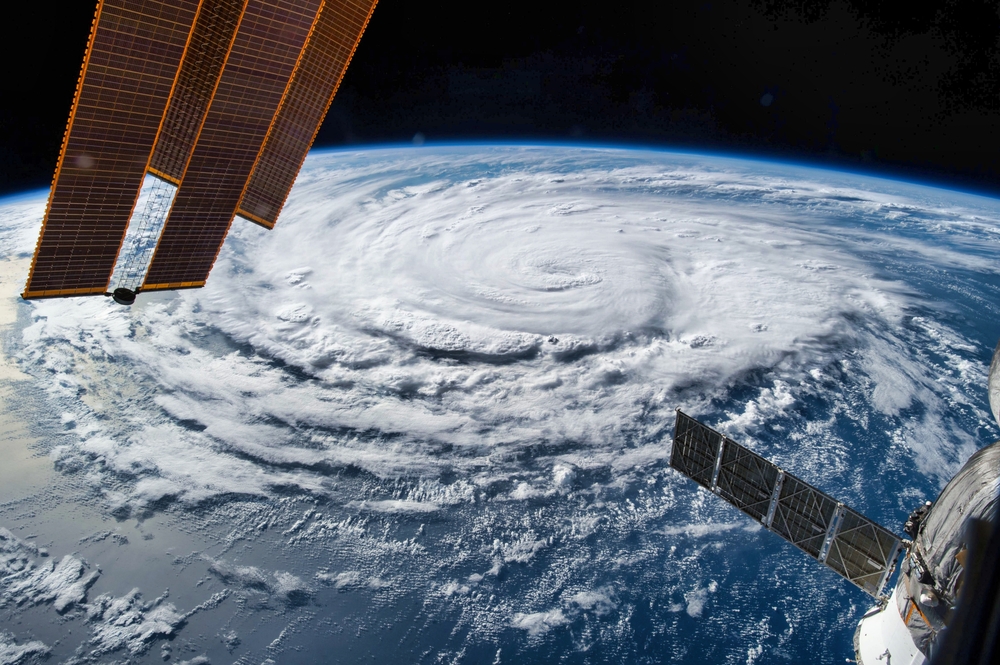
A new report from the National Audit Office (NAO) has revealed that although the UK has built resilience to the impacts of severe space weather, it remains unprepared.
It turns out that although space’s ability to predict severe weather has improved, our understanding of how to respond to such emergencies remains low.
Recent solar storms have caused significant problems for spacecraft and satellite operators, and the NAO report recommends that more needs to be done across the board to improve resilience.
It sets out the most serious acute risks facing the UK in the government’s confidential National Security Risk Assessment (NSRA) and the public National Risk Register.
Widespread effects of space weather phenomena
Space weather arises from solar activity and most of the time does not cause any visible disruption.
However, severe space weather can disrupt a variety of technologies. For example, an event could cause widespread disruption of air travel for several weeks, localized power outages in the UK, and disruption of satellite services such as satellite navigation and timekeeping services used in many sectors.
The potential economic cost of extreme events is estimated at £9 billion in 2022, but the NAO noted that this figure contained uncertainties due to gaps in scientific understanding, such as the extent to which short-term disruptions to the global navigation satellite system would affect transport.
Severe space weather has been on the UK National Hazards Register since 2011, when it was officially recognized as one of the UK’s highest priority natural hazards.
UK effort to predict harsh space weather
The Department of Science, Innovation and Technology (DSIT), which formally took over co-ordinating the government’s efforts on severe space weather in December 2025, has spent around £6.7 million on the Met Office Space Weather Operations Center in 2025-2026.
The UK is also contributing around £300m to the European Space Agency’s Vigil mission, a satellite designed to improve the accuracy of predicting the arrival times of coronal mass ejections. It is scheduled to be launched in 2031 and will operate for five years.
However, the NAO identified a range of unresolved issues. Forecasting remains complex, and warning periods can range from no notification to 96 hours, depending on the type of event.
The resilience of the UK’s space weather monitoring capabilities was also described as vulnerable.
Knowledge gaps undermine UK response efforts
The report said several issues could undermine the UK’s ability to effectively prepare for and respond to serious space weather emergencies, and the government needed to address them.
Risk management roles and responsibilities remain unclear. Accountability may be strengthened. And the government has not yet made clear what results it intends to achieve or the level of residual impact it will tolerate.
There is still much that governments can do to involve local responders and businesses in planning to ensure the effectiveness of society-wide responses.
Additionally, government centers do not fully understand how departments plan to respond to severe space weather emergencies, including whether to use risk-specific or generic response plans, and testing of response plans through simulation exercises is limited, limiting understanding of vulnerabilities.
Overcoming these challenges requires a collaborative effort
The NAO recommended that governments define the outcomes they seek and test plans against a range of plausible scenarios, including:
Work with the Japan Meteorological Agency to establish long-term forecasting capabilities and the required level of resilience. Develop a more detailed whole-of-society approach, including communication plans for businesses and the public.
NAO Director Gareth Davies said: “The Government is investing in improving the UK’s forecasts and taking steps to make us more resilient to severe space weather.”
“DSIT and the Met Office need to work together to further improve forecasting and resilience as governments develop new space weather preparedness strategies.”
Source link

