Close Menu
  • Home
  • Identity
  • Inventions
  • Future
  • Science
  • Startups
  • Spanish
What's Hot

NGate campaign targets Brazil, trojanizes HandyPay to steal NFC data and PINs

Google patches flaw in Anti-Gravity IDE that allows prompt injection code execution

Biochar could help clean up PFAS pollution by breaking down chemical elements

Facebook X (Twitter) Instagram
  • Home
  • About Us
  • Advertise with Us
  • Contact Us
  • DMCA
  • Privacy Policy
  • Terms & Conditions
  • User-Submitted Posts
Facebook X (Twitter) Instagram
Fyself News
  • Home
  • Identity
  • Inventions
  • Future
  • Science
  • Startups
  • Spanish
Fyself News
Home » The largest 3D map of the universe ever shows 47 million galaxies from the Milky Way to ‘cosmic noon’ — Space Photo of the Week
Science

The largest 3D map of the universe ever shows 47 million galaxies from the Milky Way to ‘cosmic noon’ — Space Photo of the Week

By April 19, 2026No Comments3 Mins Read
Share Facebook Twitter Pinterest Telegram LinkedIn Tumblr Email Copy Link
Follow Us
Google News Flipboard
Share
Facebook Twitter LinkedIn Pinterest Email Copy Link

simple facts

What is it: The largest 3D map of the universe ever created

Where is it: the universe as seen from Earth

Share date: April 17, 2026

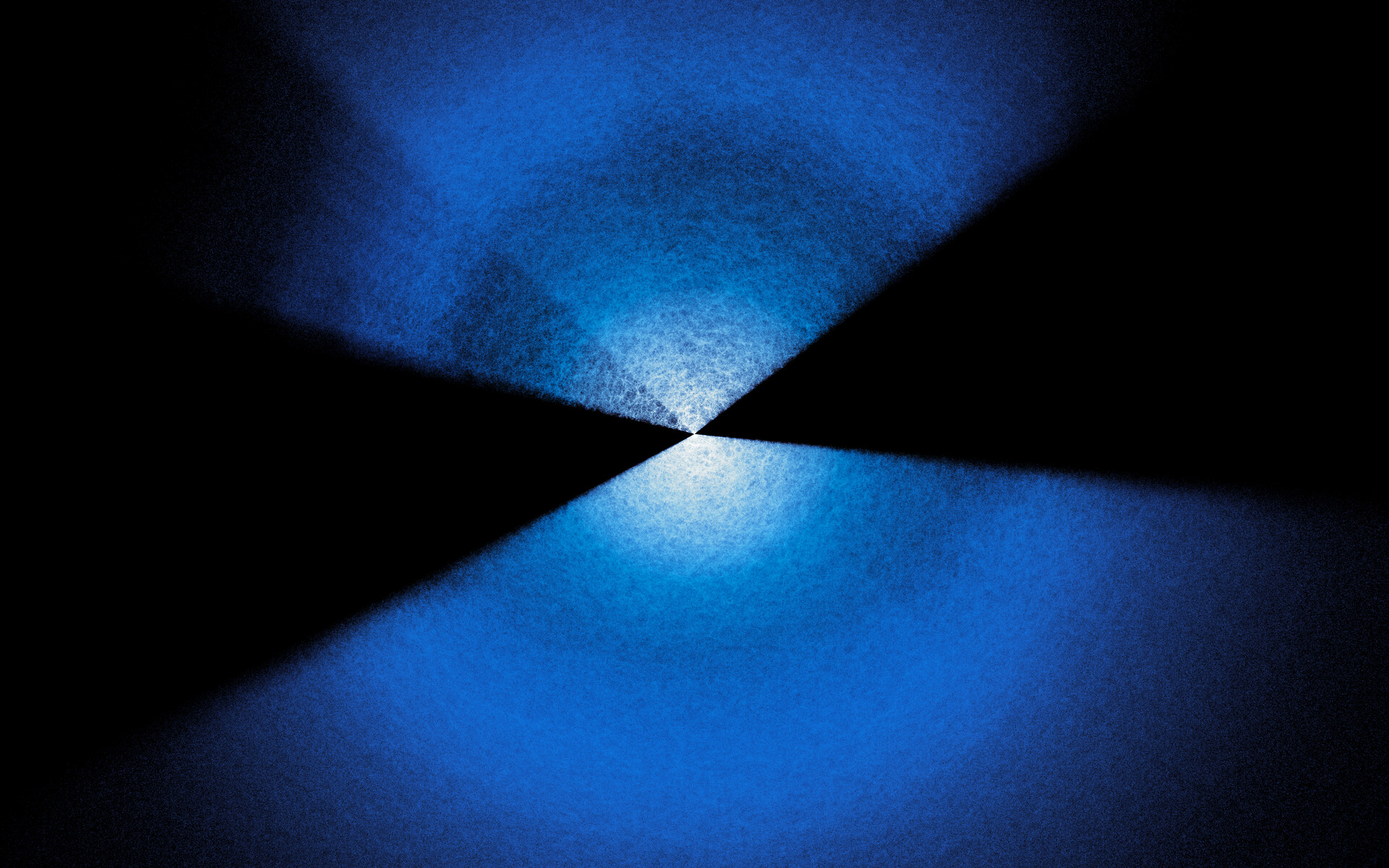
This snapshot is just one part of the most comprehensive and spectacular view of the universe ever. This is a web-like structure formed by millions of galaxies and dating back to ancient times.

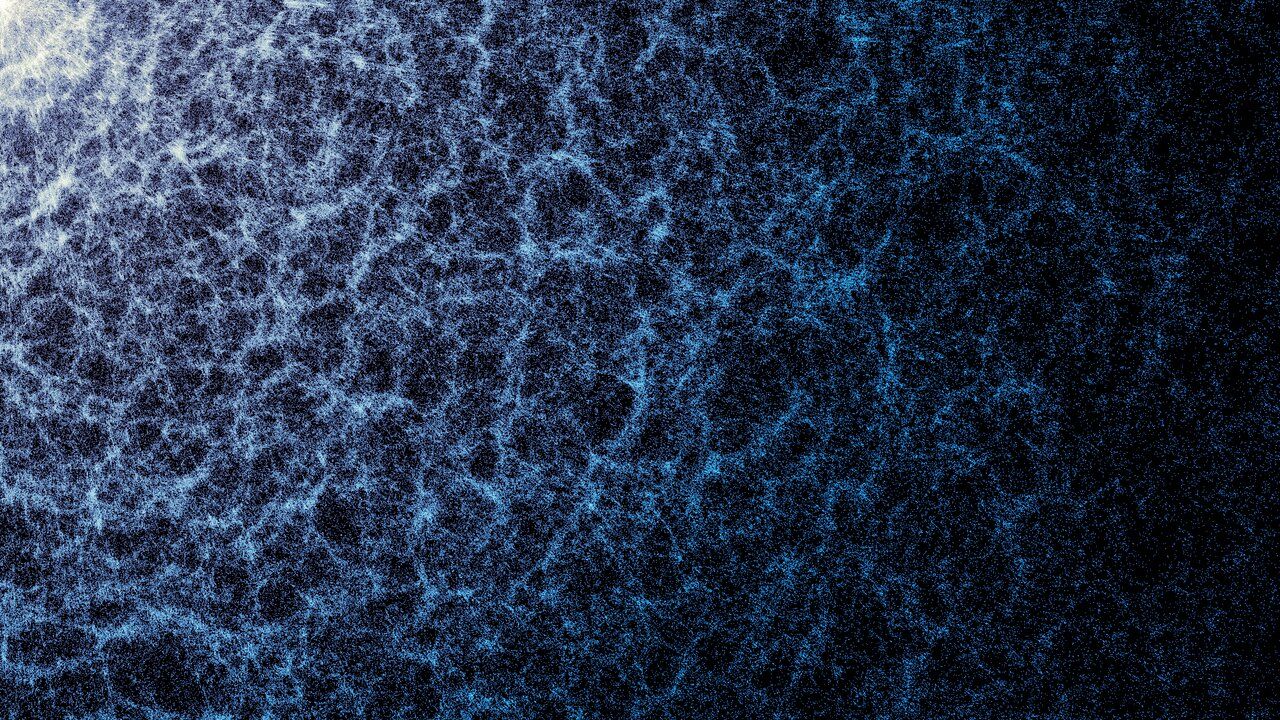
Each tiny dot in the image represents a galaxy mapped by the Dark Energy Spectrometer (DESI). Galaxies are not randomly distributed. Instead, they form filaments or clusters known as the cosmic web. In between these clusters of bright galaxies are vast regions of sky known as voids, where few stars or galaxies exist.

This image is from the largest high-resolution 3D map of the universe ever created. DESI is mounted on the Nicholas U. Mayall 4-meter Telescope at Kitt Peak National Observatory in Arizona and uses 5,000 robotic fiber-optic sensors to capture light from distant celestial objects.

you may like

An hourglass shaped image of blue and white light on a black background

A complete DESI map of the cosmic web, showing approximately 47 million galaxies. (Image credit: DESI Collaboration and DESI Member Institutions/DOE/KPNO/NOIRLab/NSF/AURA/R. Proctor)

The five-year survey was expected to collect data on 34 million galaxies and quasars, the bright cores of young, distant galaxies. In fact, it detected more than 47 million, along with more than 20 million nearby stars in the Milky Way. The visualization published alongside the DESI map shows how DESI has grown over the past five years.

Some of the light captured in this image took billions of years to reach Kitt Peak, allowing scientists to go back in time and reconstruct how the universe evolved. The result is a three-dimensional view that shows not only where galaxies are located, but also how they have moved and clustered over time.

Beyond its visual impact, the image plays an important role in investigating mysterious dark energy, the name physicists have given to the force thought to be driving the accelerating expansion of the universe. It makes up about 70% of the universe, and its nature and distribution are one of the biggest questions in physics.

By comparing the distribution of galaxies at different times, researchers can track how dark energy has influenced the structure of the universe over the past 11 billion years. Early DESI data already suggests that dark energy may evolve throughout the history of the universe. This is a breakthrough that will fundamentally change scientists’ understanding of the universe and its ultimate fate.

Get the world’s most fascinating discoveries delivered straight to your inbox.

This image is the result of extensive international cooperation. The project, led by Lawrence Berkeley National Laboratory and funded by the U.S. Department of Energy’s Office of Science, involved more than 900 researchers from more than 70 institutions.

DESI will continue observing the sky until 2028, expanding the map by about 20%. Future observations will target dimmer and more distant galaxies, as well as hard-to-see areas near the Milky Way (where stars get in the way) and the southern sky (where telescopes need to see more of Earth’s atmosphere). First results from the full dataset are expected in 2027.


Source link

#Biotechnology #ClimateScience #Health #Science #ScientificAdvances #ScientificResearch
Follow on Google News Follow on Flipboard
Share. Facebook Twitter Pinterest LinkedIn Tumblr Email Copy Link
Previous ArticleCan a chicken really run around with its head cut off?
Next Article Lyrid Meteor Shower 2026: Watch the first rain of spring “shooting stars” peak in the moonless sky

Related Posts

Altar of Sol: a rare 1,900-year-old monument dedicated to the Roman god of light and used in secret underground rituals

April 20, 2026

Loneliness may increase risk of memory loss, but not necessarily dementia

April 19, 2026

‘The chances of you living 50 years are very small’: Theoretical physicist explains why humanity likely won’t survive to see all the forces unified

April 19, 2026
Add A Comment
Leave A Reply Cancel Reply

Latest Posts

NGate campaign targets Brazil, trojanizes HandyPay to steal NFC data and PINs

Google patches flaw in Anti-Gravity IDE that allows prompt injection code execution

Biochar could help clean up PFAS pollution by breaking down chemical elements

Why human-centered design and digital tools will determine the success of the energy transition

Trending Posts

Subscribe to News

Subscribe to our newsletter and never miss our latest news

Please enable JavaScript in your browser to complete this form.
Loading

Welcome to Fyself News, your go-to platform for the latest in tech, startups, inventions, sustainability, and fintech! We are a passionate team of enthusiasts committed to bringing you timely, insightful, and accurate information on the most pressing developments across these industries. Whether you’re an entrepreneur, investor, or just someone curious about the future of technology and innovation, Fyself News has something for you.

Castilla-La Mancha Ignites Innovation: fiveclmsummit Redefines Tech Future

Local Power, Health Innovation: Alcolea de Calatrava Boosts FiveCLM PoC with Community Engagement

The Future of Digital Twins in Healthcare: From Virtual Replicas to Personalized Medical Models

Human Digital Twins: The Next Tech Frontier Set to Transform Healthcare and Beyond

Facebook X (Twitter) Instagram Pinterest YouTube
  • Home
  • About Us
  • Advertise with Us
  • Contact Us
  • DMCA
  • Privacy Policy
  • Terms & Conditions
  • User-Submitted Posts
© 2026 news.fyself. Designed by by fyself.

Type above and press Enter to search. Press Esc to cancel.