

Close Menu
  • Home
  • Identity
  • Inventions
  • Future
  • Science
  • Startups
  • Spanish
What's Hot

Propelling manufacturing, aerospace and defence innovation through applied research

CISA adds 8 exploited flaws to KEV, sets federal deadline for April-May 2026

UK HPC data center reduces emissions by 75% with renewable energy

Facebook X (Twitter) Instagram
  • Home
  • About Us
  • Advertise with Us
  • Contact Us
  • DMCA
  • Privacy Policy
  • Terms & Conditions
  • User-Submitted Posts
Facebook X (Twitter) Instagram
Fyself News
  • Home
  • Identity
  • Inventions
  • Future
  • Science
  • Startups
  • Spanish
Fyself News
Home » Lyrid Meteor Shower 2026: Watch the first rain of spring “shooting stars” peak in the moonless sky
Science

Lyrid Meteor Shower 2026: Watch the first rain of spring “shooting stars” peak in the moonless sky

By April 19, 2026No Comments3 Mins Read
Share Facebook Twitter Pinterest Telegram LinkedIn Tumblr Email Copy Link
Follow Us
Google News Flipboard
Share
Facebook Twitter LinkedIn Pinterest Email Copy Link

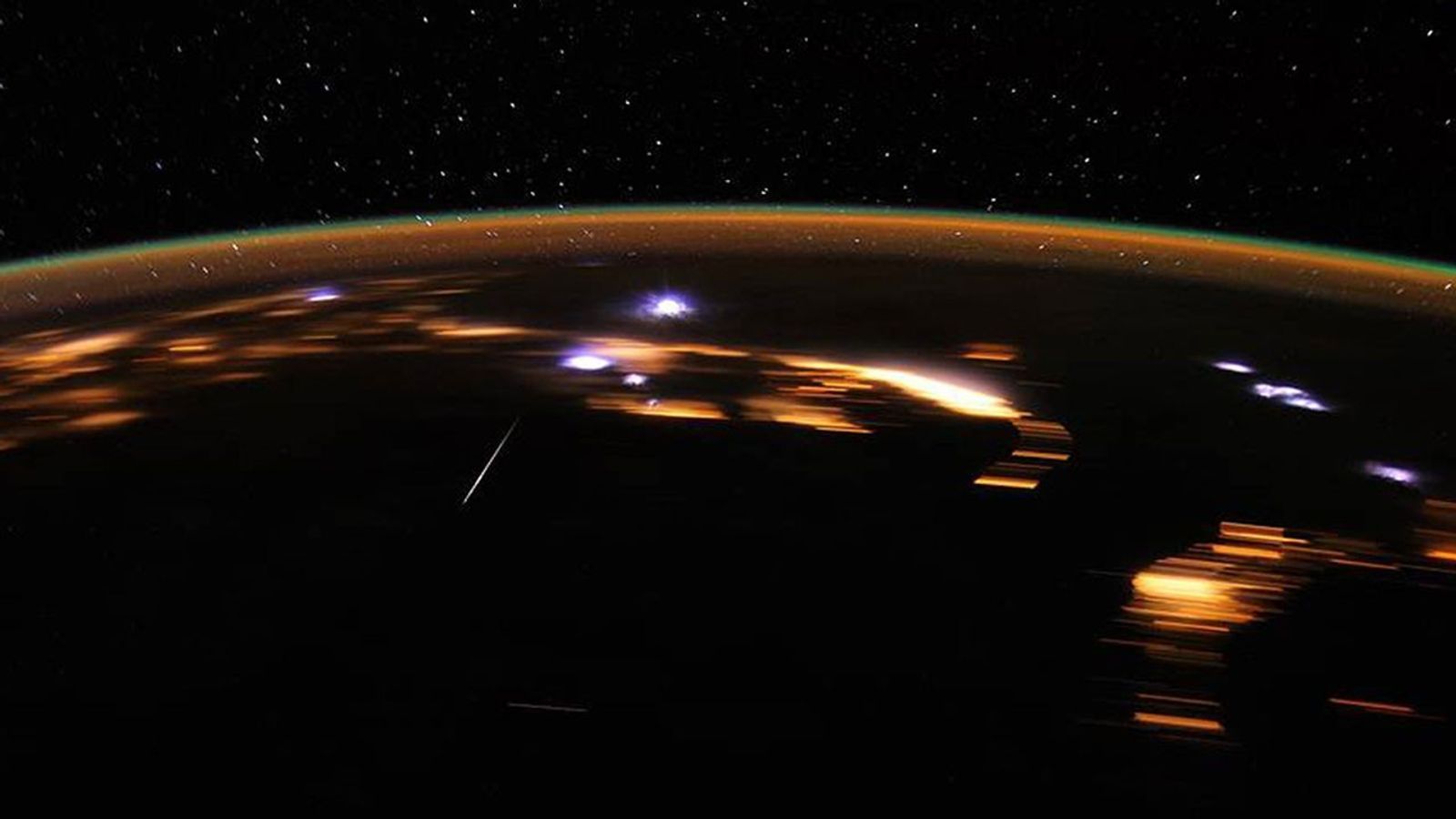
The night sky is set to bring one of spring’s most anticipated celestial events as the Lyrid meteor shower returns this week.

The Lyrids meteor shower, one of the oldest recorded meteor showers, will peak on Wednesday (April 22), offering a rare treat for stargazers. It’s a chance to see a shooting star, and perhaps a bright fireball, in a dark, moonless sky.

The official period for the Lyrid meteor shower is from April 14 to April 30, but North America and Europe are expected to reach peak activity during the daytime hours of April 22, with about 10 to 20 meteors per hour, according to the American Meteor Society. So you have two chances to catch Lyra. Before dawn and after dusk on April 22nd. The most favorable conditions are expected to be early in the morning, especially around 5 a.m. when the radiant in the constellation Lyra is high in the sky.

you may like

Astronomical timing is working in skywatchers’ favor this month. The new moon occurs on April 17th, so it will still be a crescent moon by the time Lyra peaks on April 22nd. This means that the moon will be out of the sky before sunrise that day. The sky will be dark on this day, but as the constellation Lyra rises in the east, the moon will set in the western sky, so it won’t be a hindrance.

Although the rate of “shooting stars” in the Lyrids cannot be compared to more intense meteor showers such as the Perseids in August or the Geminid in December, the Lyrids are known for fast, bright “fireball” meteors that leave a persistent trail and occasional bursts of activity. In 1803, 1922, and 1945, as many as 100 Lyrid meteors per hour were reported. 1982 according to NASA. However, predicting such an explosion is almost impossible.

The Lyra constellation is the result of dust and debris left in the inner solar system by comet C/1861 G1 (Thatcher), which orbits the sun every 415.5 years. When the Earth passes through a region of comet debris each year, the meteors burn up in the Earth’s atmosphere, giving the impression of “shooting stars” across the night sky. According to NASA, the last time Comet Thatcher was in the inner solar system was in 1861. It is scheduled to return around 2276.

To give yourself the best chance of seeing the Lyrid meteor shower, check the weather forecast and light pollution maps, and look for a location away from city lights. Meteors can appear unexpectedly anywhere in the sky, so let your eyes adjust to the darkness and be patient.

Get the world’s most fascinating discoveries delivered straight to your inbox.

Meteor showers are best seen with the naked eye, but special equipment is required to photograph them.


Source link

#Biotechnology #ClimateScience #Health #Science #ScientificAdvances #ScientificResearch
Follow on Google News Follow on Flipboard
Share. Facebook Twitter Pinterest LinkedIn Tumblr Email Copy Link
Previous ArticleThe largest 3D map of the universe ever shows 47 million galaxies from the Milky Way to ‘cosmic noon’ — Space Photo of the Week
Next Article Blue Origin successfully reuses New Glenn rocket for the first time

Related Posts

Altar of Sol: a rare 1,900-year-old monument dedicated to the Roman god of light and used in secret underground rituals

April 20, 2026

‘The chances of you living 50 years are very small’: Theoretical physicist explains why humanity likely won’t survive to see all the forces unified

April 19, 2026

Can the US be trusted with the moon? One legal scholar has expressed concern following the success of Artemis II.

April 19, 2026
Add A Comment
Leave A Reply Cancel Reply

Latest Posts

Propelling manufacturing, aerospace and defence innovation through applied research

CISA adds 8 exploited flaws to KEV, sets federal deadline for April-May 2026

UK HPC data center reduces emissions by 75% with renewable energy

Who is the next Apple CEO John Ternus?

Trending Posts

Subscribe to News

Subscribe to our newsletter and never miss our latest news

Please enable JavaScript in your browser to complete this form.
Loading

Welcome to Fyself News, your go-to platform for the latest in tech, startups, inventions, sustainability, and fintech! We are a passionate team of enthusiasts committed to bringing you timely, insightful, and accurate information on the most pressing developments across these industries. Whether you’re an entrepreneur, investor, or just someone curious about the future of technology and innovation, Fyself News has something for you.

Castilla-La Mancha Ignites Innovation: fiveclmsummit Redefines Tech Future

Local Power, Health Innovation: Alcolea de Calatrava Boosts FiveCLM PoC with Community Engagement

The Future of Digital Twins in Healthcare: From Virtual Replicas to Personalized Medical Models

Human Digital Twins: The Next Tech Frontier Set to Transform Healthcare and Beyond

Facebook X (Twitter) Instagram Pinterest YouTube
  • Home
  • About Us
  • Advertise with Us
  • Contact Us
  • DMCA
  • Privacy Policy
  • Terms & Conditions
  • User-Submitted Posts
© 2026 news.fyself. Designed by by fyself.

Type above and press Enter to search. Press Esc to cancel.