
Antibiotic resistance genes present in newborns within 72 hours of birth
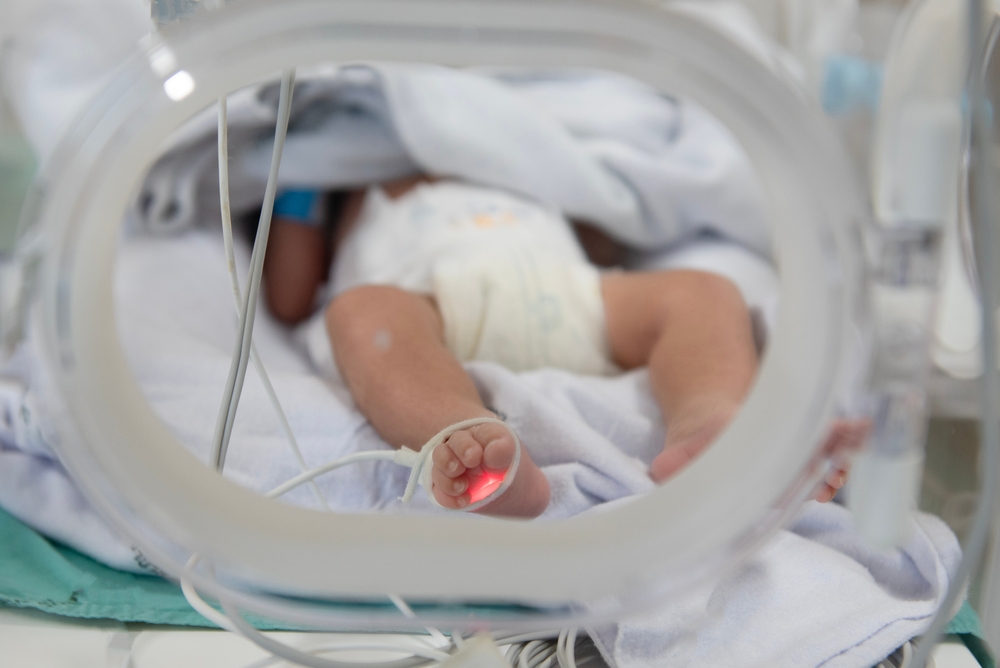
Analysis of meconium samples from 105 newborns revealed the presence of microbial genetic material, including antibiotic resistance genes (ARGs), raising concerns about the effects of maternal hospitalization and other exposure factors on the newborns’ intestines.
A study presented at ESCMID Global 2026, led by Professor Elias Iosifidis of Aristotle University of Thessaloniki, and involving more than 100 newborns admitted to neonatal intensive care units (NICUs) within 72 hours of birth from July 2024 to July 2025, confirmed the presence of antibiotic resistance genes in samples of meconium, the first stool a newborn passes.
Although traditionally thought to be sterile, subsequent molecular studies have demonstrated the presence of microbial genetic material in meconium, supporting the theory that the newborn’s intestines may be exposed to bacteria during pregnancy.
The presence of microbial genetic material in the gut biome may contribute to the development and spread of antibiotic resistance through horizontal gene transfer between bacteria.
“This is the largest study of its kind investigating the influence of the hospital environment on the collection of ARGs in the intestine of newborns,” said lead author Dr. Argyro Ftergioti. “We analyzed meconium samples within 72 hours of birth, capturing the earliest snapshot of microbial and genetic exposure in newborns. At this stage, the collection of resistance genes is primarily formed by mother-to-child transmission, mode of delivery, and very early hospital exposures.”
Each sample contained a median of 8 resistance genes
The most frequently detected genes associated with commonly used antibiotic resistance are:
oqxA (98% of samples) qnrS (96%)
The study also identified several genes encoding beta-lactamases, enzymes that break down widely used antibiotics. The most common of these were:
blaCTXM (55%) blaCMY (51%) blaSHV (39%)
Genes associated with resistance to carbapenems, the final class of antibiotics, were detected in 21% of the samples. Each sample contained a median of eight resistance genes.
“This finding suggests that the pattern of ARGs is already established at this stage. There is a diverse resistome in the neonatal intestine, and the presence of clinically important ARGs so early in life is alarming,” added Dr. Ftergioti.
“Although some ARGs were expected, their high prevalence in the majority of samples was notable, particularly for clinically important genes conferring carbapenem resistance.”
Resistance genes were also associated with maternal and neonatal factors
Maternal hospitalization during pregnancy was associated with the presence of the msrA (macrolide streptogramin resistance) gene. The study also identified more resistance genes in newborns who had central venous catheters placed within the first 24 hours of birth.
Both findings may reflect exposure to healthcare-associated microorganisms in hospital settings.
“Surprisingly, resuscitation shortly after birth was associated with a reduction in resistance genes. However, we caution that this finding should be interpreted with caution as it may reflect differences in early microbial exposure or other clinical factors,” Dr. Ftergioti noted.
Dr. Futergioti stressed that the presence of antibiotic resistance genes in newborns requires further research and that the results should be interpreted with caution. However, early signs suggest that maternal infection and early hospital exposure may be contributing to the problem.
“Although further research is needed to understand how early carriage of resistance genes influences microbiome development and infection risk, these findings highlight the importance of surveillance, infection prevention, and control in neonatal care,” concluded Dr. Futergioti.
Source link

