
UK HPC data center reduces emissions by 75% with renewable energy
The rapid rise of AI and cloud computing has put one uncomfortable issue in the spotlight. The question is: Can the infrastructure powering this boom grow without overwhelming the energy system?
A high performance computing (HPC) data center in the UK may have found a reliable answer. By fundamentally rethinking the way we procure electricity, we reduced our carbon footprint by 75% while reducing strain on the grid, providing a viable path forward for an industry facing increased environmental scrutiny.
Transitioning from traditional energy accounting
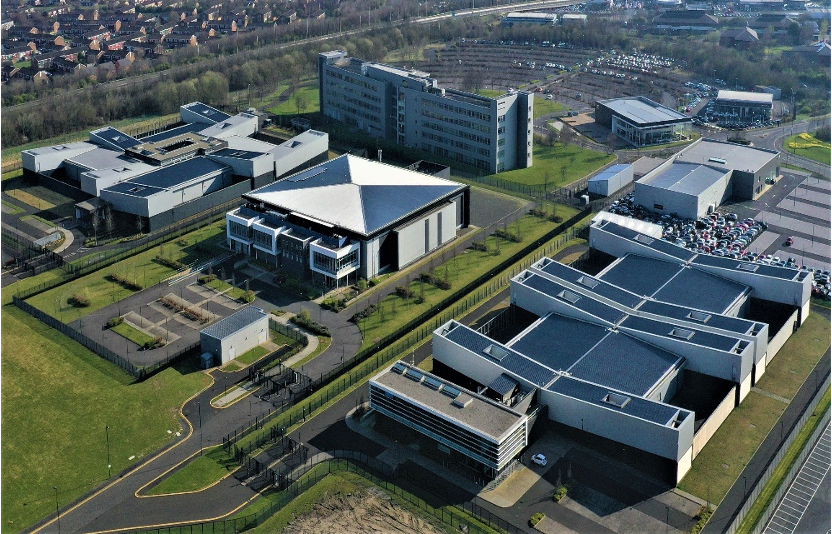
Stellium Data Centers, which operates one of the country’s largest purpose-built campuses near Newcastle, has completely overhauled its electricity procurement.
Instead of relying on annual renewable energy averages, which is a common industry practice, the company now matches electricity consumption to renewable energy generation on an hourly basis.
This change addresses growing criticism of traditional “100% renewable” claims. Many data centers rely on certificates that prove renewable energy has been generated somewhere on the power grid for a year.
However, that system does not guarantee that clean energy is used at the exact time of consumption, so fossil fuels may still be used during peak demand periods.
In contrast, Stelrium’s hourly matching approach provides a much more accurate and transparent view of your actual energy usage.
Paul Mellon, Operations Director at Stellium, explains: “Data centers often get a bad rap for their high energy usage and lack of flexibility, but this shows that AI and high-performance computing don’t have to come at the expense of the power grid or the climate.
“By switching to hourly renewable electricity, we were able to significantly reduce our emissions while providing the transparency that our customers are increasingly demanding.”
Responding to increased scrutiny of data center energy usage
The move comes amid growing concerns about the environmental impact of data centers, especially as AI and cloud computing continue to expand.
Policymakers are paying close attention to how these facilities impact electricity demand, water use, and local infrastructure.
In the UK, the Environmental Audit Committee has launched an investigation into this area, reflecting widespread fears that rapid digital growth will outstrip the capacity of the electricity grid and drive up costs for consumers.
Against this background, Stelrium’s approach provides a concrete example of how operators can reduce their footprint while maintaining performance.
Partnership with renewable power generation companies
In partnership with Good Energy, Stelrium now runs solely on renewable electricity that matches its hourly usage. Its supply is linked to over 3,300 independent renewable power stations across the UK.
The system allows the company to accurately track when its energy needs are met by clean sources. Currently, Stelrium reports an hourly matching score of 95.4%. This is more than double the market average of approximately 43%.
Future upgrades, including large-scale battery storage, are expected to increase this number to 97% to 98%. These additions will also enhance the site’s ability to store excess renewable energy and deploy it when generation levels decline.
Nigel Pocklington, CEO of Good Energy, added: “Stellium can show when clean power is actually being used by matching electricity usage with renewable generation by hour.
“Such transparency will reduce carbon emissions, reduce peak reliance on fossil fuels, and prove that digital growth and resilient energy systems can go hand in hand.”
Increased transparency for customers and regulators
This change has significant implications beyond reducing emissions.
Stellium says it has transformed the way it interacts with customers, regulators and auditors, particularly global AI and technology companies with stringent sustainability and reporting requirements.
The company can now provide detailed evidence of which renewable assets power its operations, when that energy is generated, and where it originates.
This level of transparency is becoming increasingly important as organizations seek verifiable progress towards net-zero goals.
A blueprint for sustainable AI infrastructure
As the UK prepares for a major expansion in HPC data center capacity to support AI and data-driven industries, questions about sustainability will only intensify.
Communities, planners, and policy makers are scrutinizing how new development will impact infrastructure and energy systems.
Stellium’s model suggests that HPC data center operators can move beyond offsets and annualized accounting to adopt more accurate and responsible energy procurement methods.
Balance growth and lineage stability
The broader implications are clear. Rapid growth in AI does not have to be achieved at the expense of grid stability or environmental goals.
By coordinating power usage with real-time renewable generation, data centers can reduce emissions while also reducing strain on the system during peak periods.
As expectations rise across the sector, Stelrium’s approach shows that viable solutions are already in place.
The question now is whether other companies will follow suit and whether this model will become standard practice as the demand for high-performance computing continues to accelerate.
Source link

