
Biochar could help clean up PFAS pollution by breaking down chemical elements
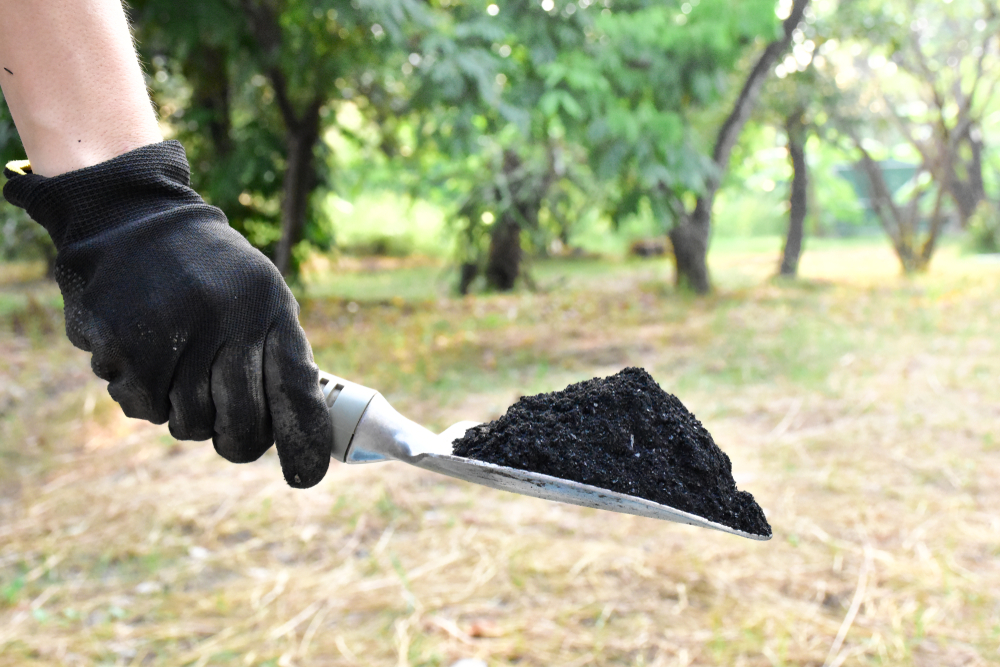
One study is examining the potential for biochar to remediate PFAS contamination through adsorption, helping to break down components of permanent chemicals.
New research from Shenyang Agricultural University suggests that biochar could be used as part of a solution to tackle the presence of per- and polyfluoroalkyl substances, commonly known as PFAS or “forever chemicals”, in the environment.
Because PFAS have strong carbon and fluorine bonds, they do not break down easily and can migrate through air, water, and soil. As a result, their presence in the food chain and natural environment is doubly concerning as they are associated with a variety of negative health risks, from embryonic development to accelerated aging.
Biochar is a low cost and environmentally friendly adsorbent
Biochar is a type of modified charcoal obtained from organic materials exposed to high temperatures in the presence of little or no oxygen.
This review study found that PFAS contaminants attach to biochar surfaces through mechanisms such as pore filling, hydrogen bonding, electrostatic attraction, and hydrophobic interactions. These mechanisms allow biochar to effectively capture PFAS molecules from water and soil.
There is also early research showing that when exposed to light, biochar can generate reactive species such as free radicals, which can help degrade residual contaminants present in PFAS.
However, the authors also noted that the effectiveness of biochar depends on several factors, including its manufacturing conditions, surface chemistry, and environmental conditions such as pH and dissolved organic matter.
Preventing PFAS from entering the food chain is important to reduce human exposure
The study also highlighted how biochar can reduce the transfer of PFAS into the food chain. By immobilizing these chemicals in soil and water, biochar limits their uptake by plants and aquatic organisms, thereby reducing potential human exposure.
“PFAS contamination is of particular concern because these compounds are not easily degraded and can travel long distances in the environment,” said one of the study authors.
“Our study provides a comprehensive understanding of how biochar can help control its spread and reduce risks.”
The entire study is available at Biochar.
Source link

