

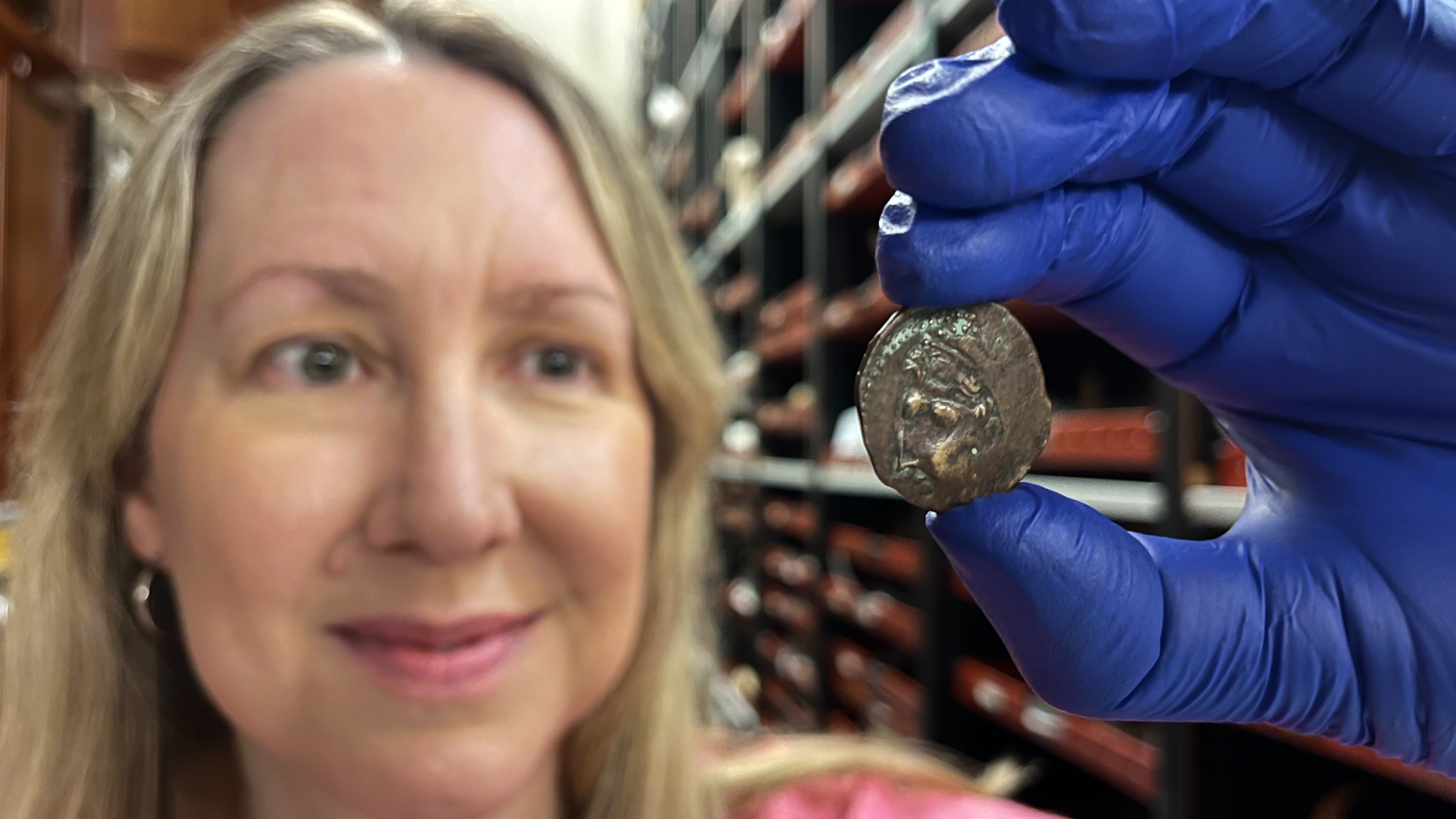
It turns out that an interesting coin left in a bus driver’s cash register in Britain in the 1950s has ancient origins. The coin was minted 2,000 years ago in what is now southern Spain. More than 70 years later, the grandson of a former transit cashier has donated the mysteriously acquired coin to a museum.
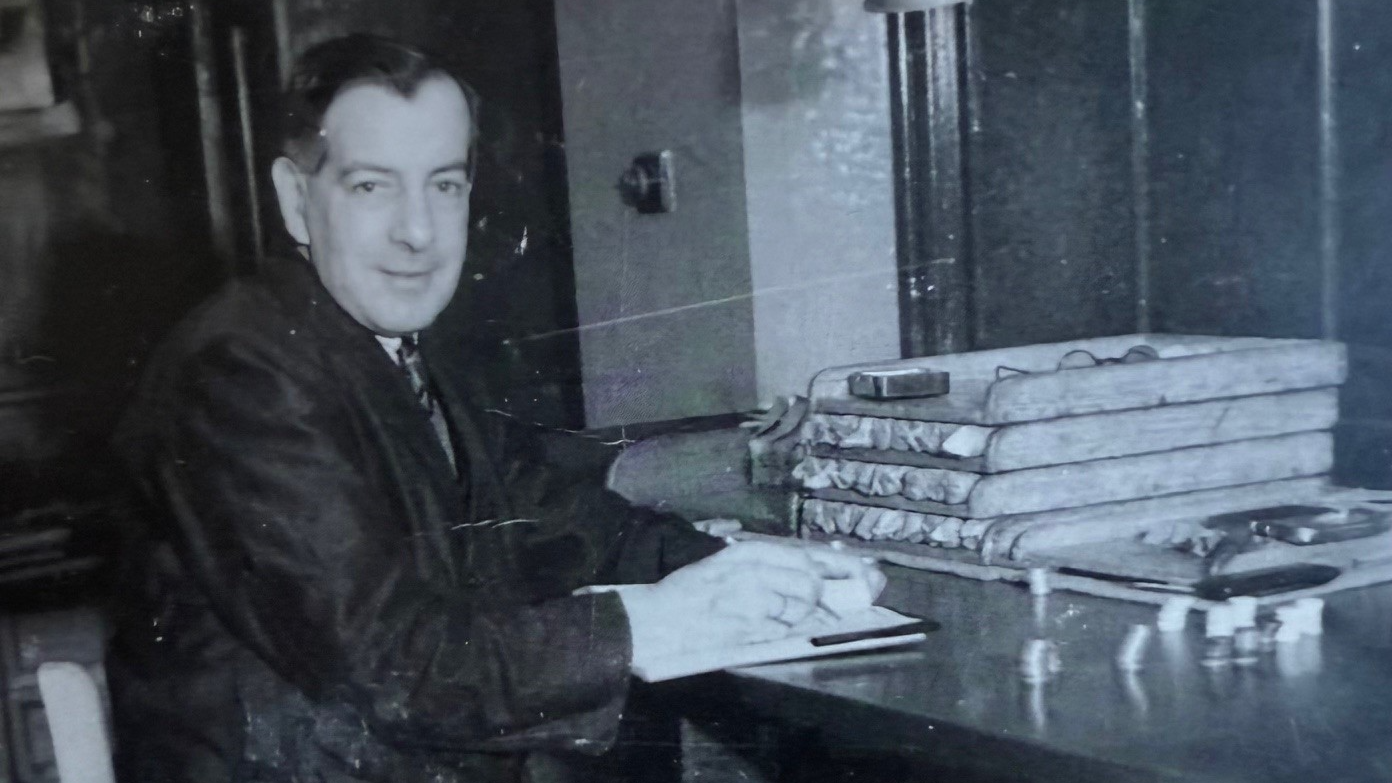
Cashier James Edwards worked for Leeds City Transport and was tasked with collecting and calculating fares from bus and tram drivers. Whenever he found a fake or foreign coin, he would bring it home for his grandson Peter.
“Neither of us were coin collectors, but we were fascinated by the origins and images of the coins. To me they were treasures,” Peter Edwards said in a statement on March 9.
Article continues below
you may like
But one particular coin piqued Peter’s interest, and after researching the coin’s design, he discovered that it was minted more than 2,000 years ago in a Phoenician settlement called Ghadir (now known as the city of Cadiz) in the Andalusia region of Spain.
Ghadir was founded by the Phoenicians. The Phoenicians also settled in Carthage as Western Europe’s first colony in the 12th century BC. Ghadir came under Carthaginian control after the First Punic War in the early 3rd century BC, and then under Roman control less than a century later.
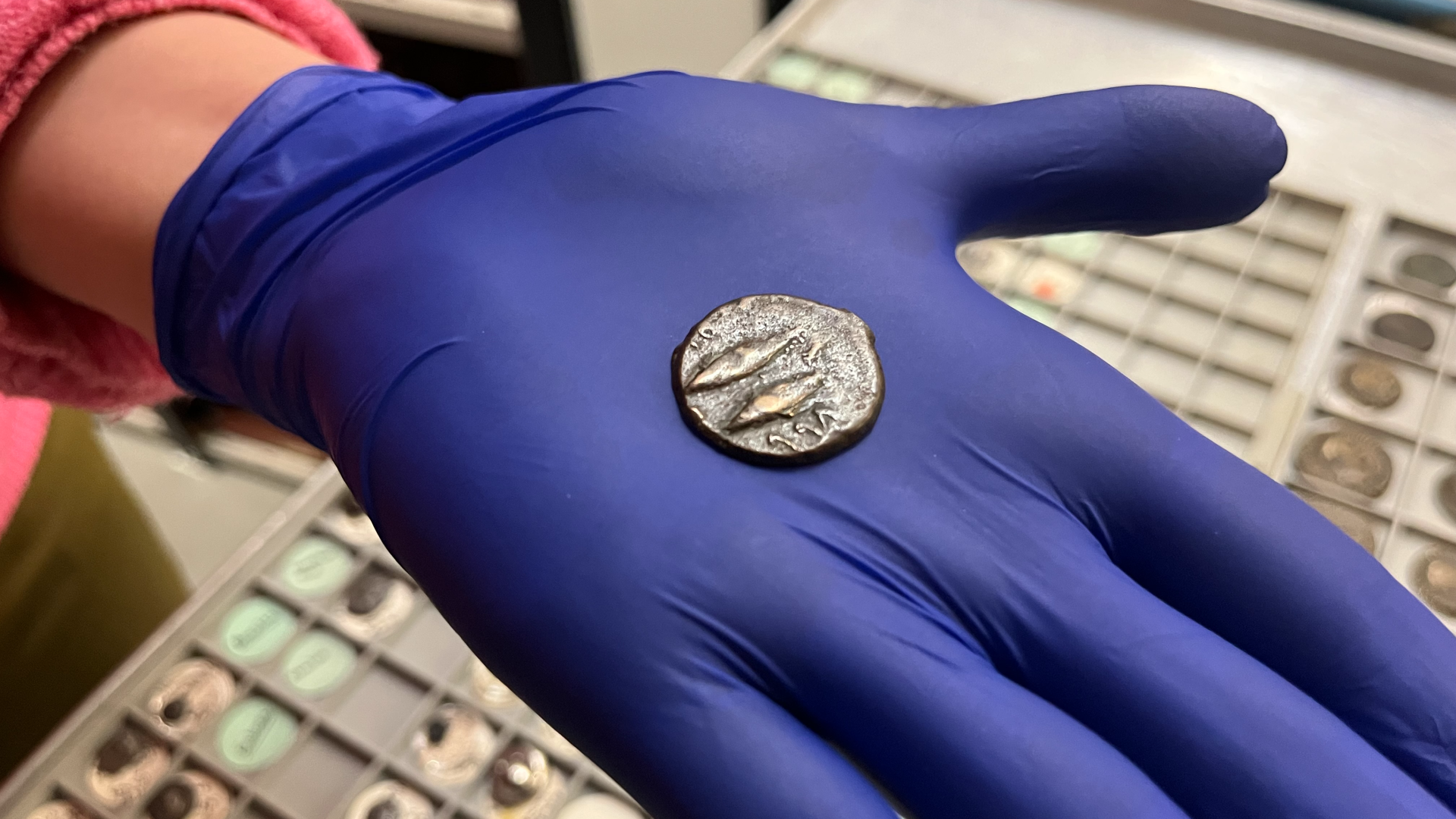
The obverse of the bronze coin depicts the god Melkart (the Phoenician god who was the chief god of Ghadir, Carthage, and Tire) wearing the lion-skin headdress of Hercules. The reverse of the coin depicts two bluefin tuna (Thunnus thynnus), perhaps representing the importance of Ghadir’s fishing industry.
It’s unclear how the coin arrived in Leeds, but “I imagine it was sometime after the war, so I imagine the soldiers came back with the coin from the country they were deployed to,” Edwards said.
Mr Edwards donated the coin to Leeds Museum and Gallery so that experts could study it as part of the museum’s ancient currency collection. Kat Baxter, the museum’s curator of archeology and numismatics, confirmed in a statement that the coin is about 2,000 years old and was minted in Ghadir.
Leeds City Councilor Salma Arif said in a statement: “Museums like ours aim not just to preserve objects, but to tell stories like this one and inspire visitors to think about the history around us, and sometimes in the most unexpected places.”
“My grandfather would have been as proud as I was to know this coin was coming back to Leeds,” Mr Edwards said. “But how it got there is always a mystery.”
Archeology Fragments Quiz: Can you figure out what these mysterious artifacts are?
Source link
