


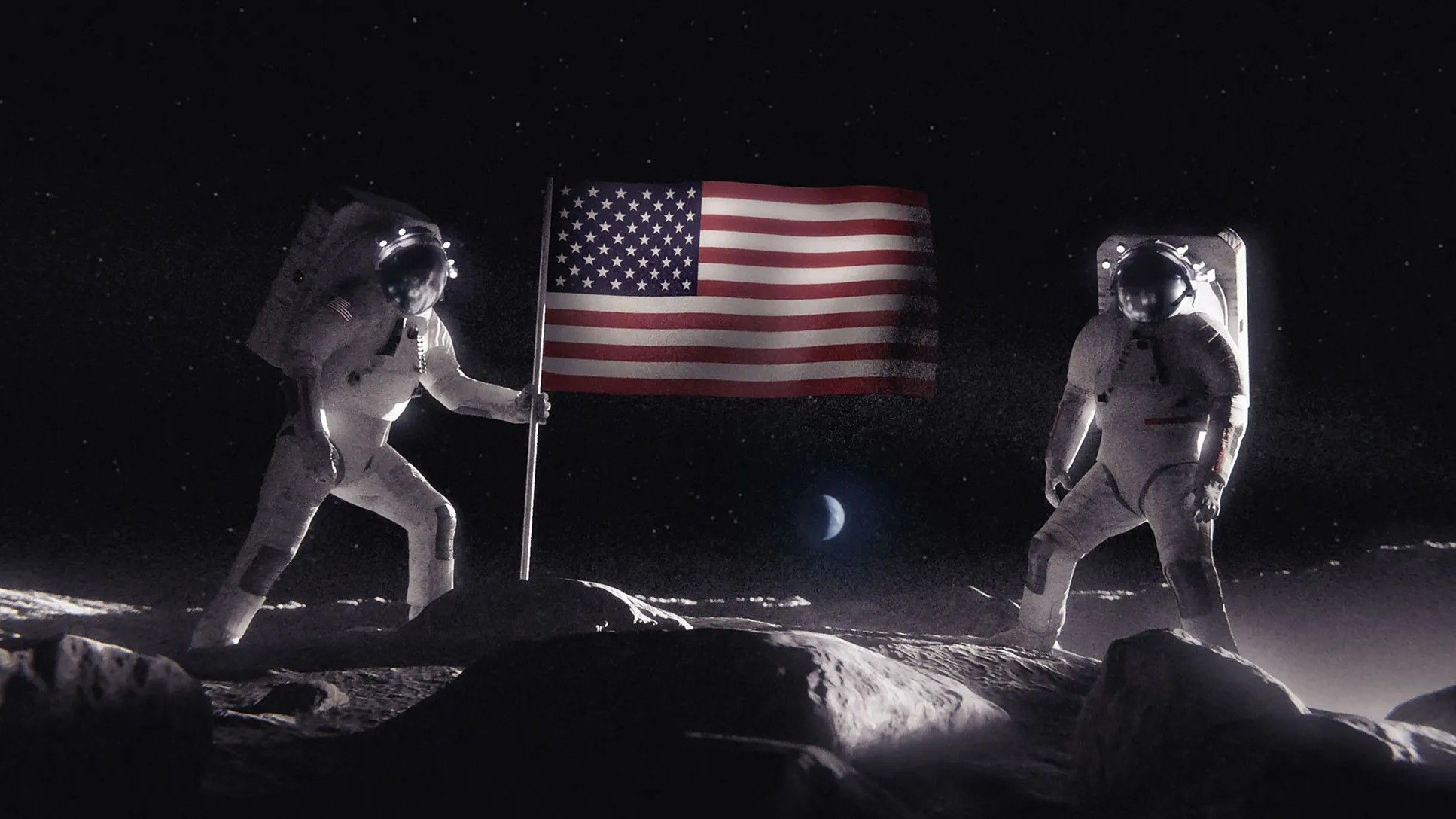
NASA’s next-generation spacesuit is not yet ready and delays could delay the Artemis moon landing by more than three years, the audit report claims.
Due to design and testing delays in line with recent historical averages, demonstrations of the Artemis spacesuit provided by private contractor Axiom Space will not occur until 2031, according to a new report from NASA’s Office of Inspector General (OIG). NASA is scheduled to send humans to the moon in 2028.
you may like
OIG found that NASA’s acquisition strategy hindered the spacesuit provider’s success and that the spacesuit schedule was overconfident.
“The original demonstration schedule turned out to be overly optimistic and unrealistic,” Deanna Lee, deputy auditor general for NASA’s Office of Inspector General, said in a video statement. “In fact, both suits are at least a year and a half behind schedule.”
This is likely to result in delays for future lunar exploration missions. “NASA is taking proactive steps to enable Axiom’s success, but if Axiom cannot meet NASA’s needs, we may be forced to make significant adjustments to Artemis’ schedule,” she added.
Axiom Space is currently NASA’s sole spacesuit provider. Jonathan Surtain, CEO and president of Axiom Space, said Axiom Space welcomes the review and is committed to delivering the next generation spacesuit on time.
“We remain focused on delivering a safe and capable spacesuit that will enable American astronauts to return to and explore the lunar surface in 2028,” Sartain told Live Science in an emailed statement.
NASA is aiming for two human landing missions in 2028: Artemis IV and Artemis V. The Artemis project is already behind schedule and over budget. NASA originally planned to return to the moon by now. Conversely, the agency demonstrated with its historic Artemis II mission that it still has the ability to send humans on a trip around the moon.
Why NASA needs a new spacesuit
NASA has been trying to acquire new spacesuits since 2007. These efforts include several in-house efforts and separate efforts with outside contractors. In 2022, NASA awarded more than $3 billion to Axiom Space and Collins Aerospace to develop suits to rent for missions.
What to read next
In 2024, Collins withdrew from the spacesuit contract due to NASA’s inability to meet the agreed upon schedule. As a result, NASA will rely on Axiom to build two new suits, one for the ISS and one for the moon landing.
The new Artemis suit will need to communicate with various Artemis systems, including the Human Landing System (which is contracted to SpaceX and Blue Origin and faces its own delays and crew safety risks).
The Apollo suits had various modifications to make them suitable for the lunar surface, including protective gloves and boots to protect against sharp rocks and dust. However, these Apollo-era suits cannot be used on Artemis astronauts because they are customized to the wearer, are outdated and not designed for long-term durability, the report said.
Meanwhile, the extravehicular maneuver unit (EMU) spacesuit used by NASA for spacewalks on the ISS was designed for the Space Shuttle program. These suits have been used in more than 200 spacewalks, but have not been significantly redesigned in the past 20 years. There are also design flaws, such as water ingress into the helmet and temperature regulation issues.
The report said that if Axiom is unable to meet its obligations to produce new spacesuits, astronauts may have to continue using the “problematic” EMU until the end of the ISS’s expected service life in 2030.
NASA could begin accepting spacesuit bids from other contractors at any time, and the report notes that several other companies, including SpaceX, are developing spacesuit features that could compete with Axiom. But at this point, NASA officials don’t believe it will be useful, according to the report.
Meanwhile, the space agency is identifying potential problems in its supply chain, ramping up testing of spacesuits and collaborating more broadly with other government agencies.
The geopolitical risks behind the delay are significant. If NASA doesn’t have a spacesuit by 2031, China could return humans to the moon before the United States. Both countries plan to establish a permanent base at the moon’s south pole as part of a new space race, with China aiming to land on the moon by 2030. Nevertheless, NASA Administrator Jared Isaacman remains bullish.
“I am confident that when NASA prepares to land on the moon in 2028, our astronauts will wear the Axiom suit,” Isaacman wrote on social platform