
Close Menu
  • Start
  • Celebrities
  • Music
  • Influencers
  • Tendencies
  • Exclusives
  • Business & Brands
  • TwinH
  • Spanish
What's Hot

Discover the Digital Twin That Revolutionizes Online Sales: The Story of Farmasi and a Collaborator Who Changes Everything

Melania Trump shows off her high fashion look in Dolce & Gabbana at UFC 250

Ariana Grande’s “Petal” tracklist released one song at a time on tour

Facebook X (Twitter) Instagram
  • Home
  • About The FYMOUS
  • Advertising / Promotion
  • Contact
  • DMCA
  • Privacy Policy
  • Terms
  • Publish News
Facebook X (Twitter) Instagram
FYMOUS News
  • Start
  • Celebrities
  • Music
  • Influencers
  • Tendencies
  • Exclusives
  • Business & Brands
  • TwinH
  • Spanish
FYMOUS News
Home » Diabetic patients produce their own insulin after gene-edited cell transplantation
Tendencies

Diabetic patients produce their own insulin after gene-edited cell transplantation

By August 13, 2025No Comments3 Mins Read
Share Facebook Twitter Pinterest Telegram LinkedIn Tumblr Email Copy Link
Follow Us
Google News Flipboard
Share
Facebook Twitter LinkedIn Pinterest Email Copy Link

A man with type 1 diabetes became the first patient to produce his own insulin after undergoing genetically engineered cell transplants, without the need for drugs to prevent rejection.

Published this month in the New England Journal of Medicine, the incident illustrates a potential breakthrough in the treatment of diseases affecting 9.5 million people around the world.

Type 1 diabetes occurs when a patient’s immune system destroys a special cell called pancreatic islet cells in the pancreas that causes insulin, the hormone that regulates blood glucose levels. This condition can be managed with normal synthetic insulin, but there is no treatment.

You might like it

Islet cell transplantation can provide long-term insulin to patients with type 1 diabetes. However, after receiving a transplant, the patient’s immune system recognizes new organs as foreign bodies, causing a response that could destroy the transplanted tissue. As a result, transplant patients will need to take immunosuppressive medications for the rest of their lives, making them more susceptible to infections.

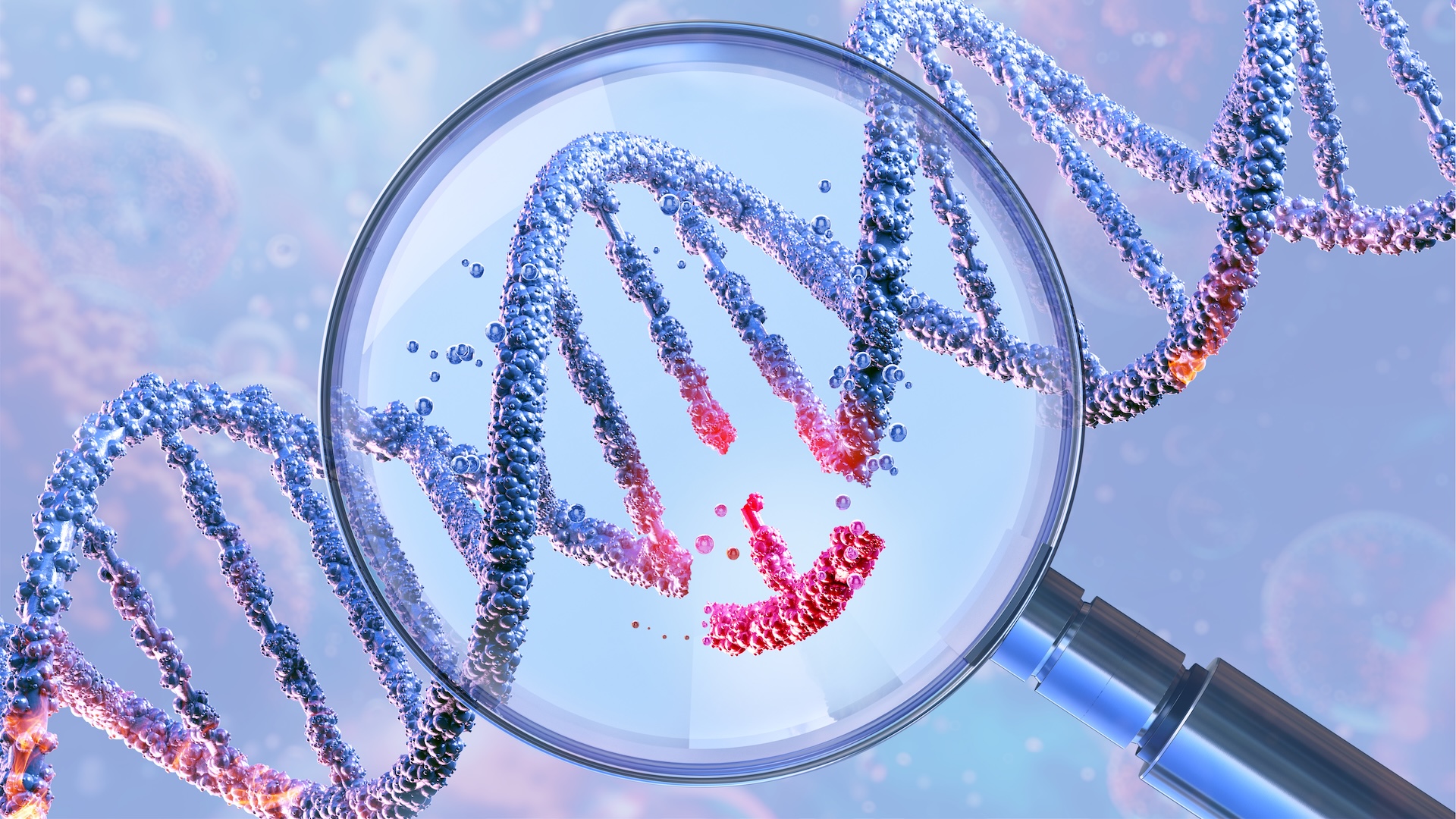
To overcome these hurdles, scientists in Swedish and US transplanted islet cells from the donor’s pancreas, which used CRISPR technology to suppress rejection by the recipient’s immune system. This is the first time that treatment has been tested in humans.

Related: CRISPR’ offers treatments for previously incurable genetic disorders,” says famous biochemist Virginijusšikšnys

Twelve weeks after administering genetically modified cells, the transplant recipient continues to produce insulin without an immune response.

Get the world’s most engaging discoveries delivered straight to your inbox.

In their paper, the authors wrote that their research suggested that, although preliminary, genetically engineered cells to avoid the recipient’s immune system are valuable tools to avoid rejection of new cells or organs by the immune system.

With this new approach, researchers used CRISPR to create three changes to the genetic code of donated cells, making them less likely to cause an immune response.

Two of these edits reduced the level of proteins on the surface of cells signaling leukocytes for whether the cells were abnormal. The third edit helped to produce a protein that discourages attacks from other immune cells called CD47.

Genetically edited cells were then injected into the male forearm. His body left the modified cells alone, and viable cells produced insulin as usual.

Although men are given a low dose of edited cells and require daily insulin treatment, this case suggests that the procedure can be carried out safely.

The next step for researchers is to conduct follow-up studies to see if the cells can survive in the long term. This makes disease management easier and treatment potential. Additionally, further testing should be done to determine whether the approach works in other patients.


Source link

#Biotechnology #ClimateScience #Health #Science #ScientificAdvances #ScientificResearch
Follow on Google News Follow on Flipboard
Share. Facebook Twitter Pinterest LinkedIn Tumblr Email Copy Link
Previous ArticlePebble smartwatch is back: Pebble Time 2 specifications revealed
Next Article No, the blue whale is not silent from California. This is why.

Related Posts

Far from the pitch, David Beckham remains soccer’s biggest star

June 14, 2026

Taylor Swift makes history as the youngest girl to be inducted into the Songwriters Hall of Fame

June 12, 2026

Disclosure Day review: Spielberg’s thrilling yet laborious epic will leave you feeling left out

June 11, 2026
Add A Comment
Leave A Reply Cancel Reply

Latest Posts

Discover the Digital Twin That Revolutionizes Online Sales: The Story of Farmasi and a Collaborator Who Changes Everything

Melania Trump shows off her high fashion look in Dolce & Gabbana at UFC 250

Ariana Grande’s “Petal” tracklist released one song at a time on tour

Best Robot Lawn Mower Deal: 45% Off Sunseeker S4 Robot Lawn Mower

Trending Posts

Melania Trump shows off her high fashion look in Dolce & Gabbana at UFC 250

June 15, 2026

Ariana Grande’s “Petal” tracklist released one song at a time on tour

June 15, 2026

BTS’s “Come Over” was chosen as this week’s best new song

June 15, 2026

Subscribe to News

Subscribe to our newsletter and never miss our latest news

Please enable JavaScript in your browser to complete this form.
Loading

Welcome to The FYMOUS, a modern digital media platform dedicated to celebrities, artists, influencers, brands, entertainment culture, and the growing TwinH ecosystem.

We bring audiences closer to the people, stories, trends, and collaborations shaping today’s culture. From exclusive celebrity news and music releases to influencer highlights, brand partnerships, and TwinH activations, The FYMOUS delivers engaging content designed for the next generation of digital audiences.

Castilla-La Mancha Ignites Innovation: fiveclmsummit Redefines Tech Future

Local Power, Health Innovation: Alcolea de Calatrava Boosts FiveCLM PoC with Community Engagement

The Future of Digital Twins in Healthcare: From Virtual Replicas to Personalized Medical Models

Human Digital Twins: The Next Tech Frontier Set to Transform Healthcare and Beyond

Facebook X (Twitter) Instagram Pinterest YouTube
  • Home
  • About The FYMOUS
  • Advertising / Promotion
  • Contact
  • DMCA
  • Privacy Policy
  • Terms
  • Publish News
© 2026 news.fyself. Designed by by fyself.

Type above and press Enter to search. Press Esc to cancel.