
New U.S. method triples yield of renewable natural gas from waste
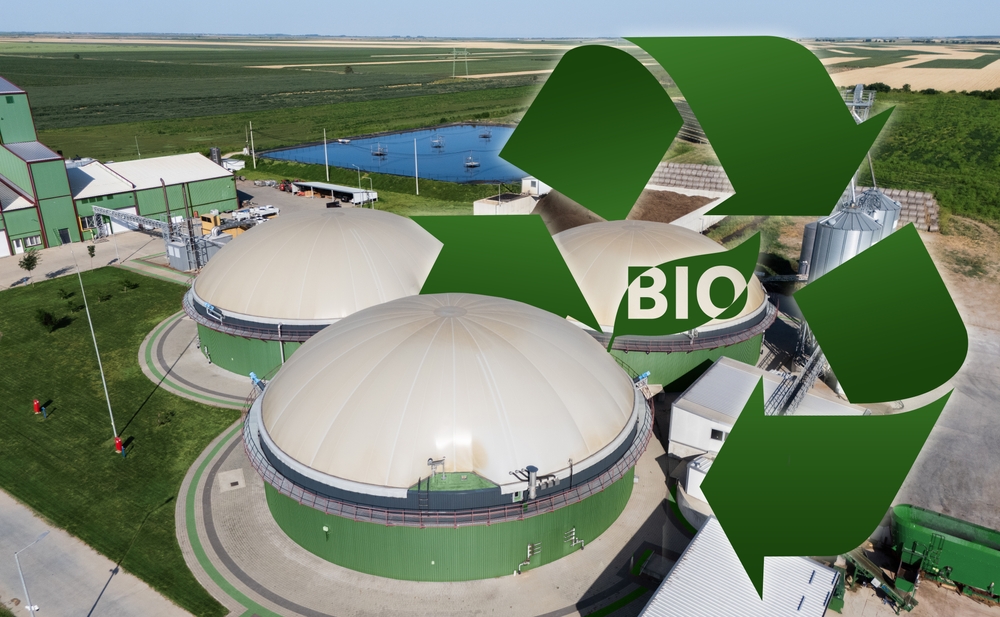
A Washington State University (WSU) research team has developed a wastewater treatment method that significantly increases the production of renewable natural gas while cutting treatment costs in half.
The pilot study, published in the Chemical Engineering Journal, focuses on improving anaerobic digestion, a widely used wastewater treatment method in which microorganisms break down organic materials to produce biogas.
Traditional systems struggle with the complex polymers in sewage sludge, leaving large amounts of unusable biosolids and producing gases with high carbon dioxide content.
The WSU team introduced a pretreatment step before digestion. The sludge is exposed to high temperature and pressure with a controlled amount of oxygen.
Under these conditions, oxygen acts as a catalyst, breaking down long molecular chains into simpler compounds that can be more easily processed by microorganisms.
Following this, the researchers introduced a newly isolated bacterial strain that can directly convert carbon dioxide and hydrogen into methane. The result is a cleaner, higher-value fuel stream.
According to lead researcher Birgitte Erling, the organism operates with minimal input, requiring only water and basic nutrients, simplifying scaling and reducing operational complexity.
Key performance improvements from pilot studies
The pilot demonstrated measurable improvements across production, cost, and fuel quality, areas where existing wastewater systems typically underperform.
Indicator Conventional process New method Renewable natural gas production Baseline +200% increase Disposal cost (per ton dry solids) $494 $253 Methane purity Mixed gas 99% Methane Sludge conversion Partial Up to 80%
These numbers suggest that this method simultaneously addresses two persistent inefficiencies: incomplete sludge degradation and low-value biogas production.
By converting more waste into renewable natural gas, facilities can offset both energy consumption and disposal costs.
Wastewater treatment plants are energy-intensive operations, accounting for approximately 3 to 4 percent of the total electricity demand in the United States. Smaller communities are often the single largest consumer of energy, making efficiency gains economically important.
Why the current sewage system is inadequate
About half of the approximately 15,000 wastewater treatment plants in the United States rely on anaerobic digestion, but this process has structural limitations.
Complex organic compounds in sludge resist degradation by microorganisms, leading to incomplete conversion and residual biosolids, which are usually sent to landfills.
Additionally, the biogas produced contains large amounts of carbon dioxide, which limits its direct use. Upgrading this gas to pipeline-quality methane typically requires additional processing steps, increasing cost and system complexity.
WSU’s approach integrates pretreatment and biological upgrading into a single workflow. This reduces the need for external gas purification and increases overall carbon conversion efficiency.
The researchers argue that this combination of chemical and biological steps could redefine how sludge-to-energy systems are designed.
What does this mean for energy and climate goals?
Currently, wastewater treatment contributes to an estimated 21 million tons of greenhouse gas emissions annually.
Much of this is due to inefficient digestion and methane loss. Increasing methane recovery while reducing residual waste directly targets both sources.
If this method is implemented on a large scale, wastewater plants could move from being pure energy consumers to partial energy producers.
Renewable natural gas produced on-site can be used for power generation, heating, and transportation fuels without producing the same lifecycle emissions as fossil natural gas.
The research team is currently working with industry partners to expand the technology beyond pilot conditions. The bacterial strain used in this process is patented, suggesting a path to commercial development.
Future impacts: Alignment with 2026 climate and energy goals
The timing coincides with broader policy pressures to decarbonize infrastructure and expand supplies of renewable gas.
Governments in the United States and Europe aim to increase the use of biogenic methane by the late 2020s as part of their net-zero strategies.
Systems that extract more energy from existing waste streams fit precisely into circular economy models. Rather than treating wastewater as a waste problem, this process reconstitutes it as a feedstock for sustainable fuel production.
A key issue is scalability. Although pilot results have been positive, large municipal systems experience variations in sludge composition, operational constraints, and regulatory oversight.
Once these challenges are resolved, wastewater facilities can become a significant contributor to renewable energy portfolios rather than a persistent source of emissions.
Source link

