
University of Birmingham unveils perovskite catalyst for low-temperature hydrogen production
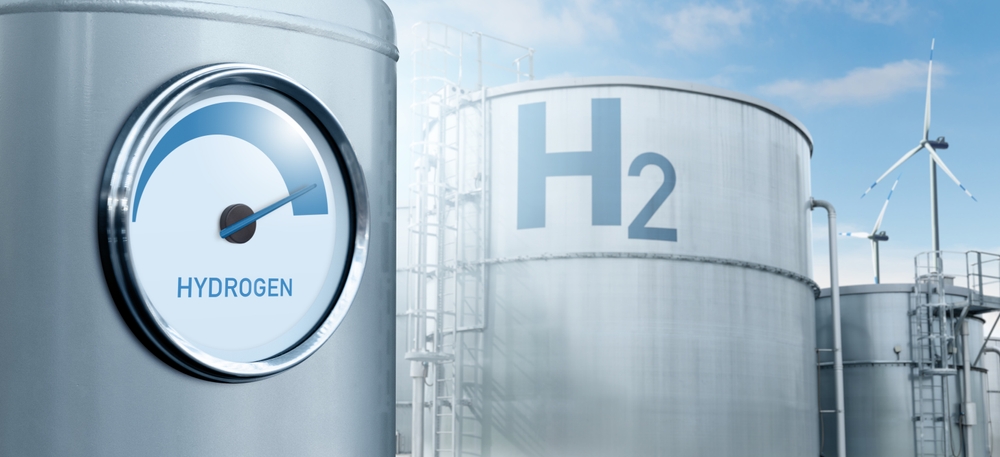
Researchers at the University of Birmingham have developed a method for producing hydrogen at low temperatures that could revolutionize the way clean fuels are produced. A team led by Yulong Ding has demonstrated a new approach to water splitting using perovskite catalysts, reducing operating temperatures by as much as 500°C. The study shows that hydrogen […]
DAMPE telescope reshapes our understanding of cosmic rays
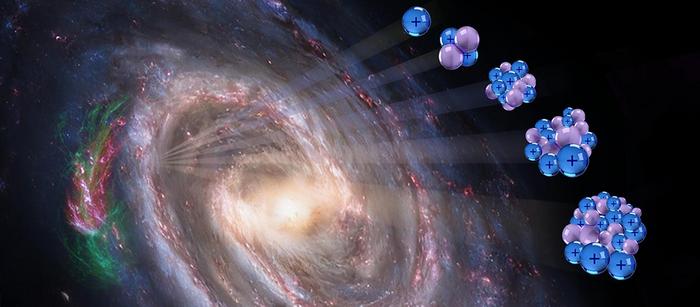
A multinational team of scientists working with the Dark Matter Particle Explorer (DAMPE) space telescope has discovered a consistent pattern of cosmic rays, providing new insights into their origin and behavior. The study, which included experts from the University of Geneva, identified characteristics common to several types of high-energy particles. The results of this study […]
Early chemical exposure increases risk of lymphoblastic leukemia in children
Researchers at the University of California, Irvine have identified a potential link between childhood exposure to PFAS, a widely used industrial chemical, and an increased risk of lymphoblastic leukemia, the most common cancer in children. The study, published in the Journal of Exposure Science & Environmental Epidemiology, analyzed newborn blood samples to directly measure exposure […]
Powering Europe’s HPC ecosystem with ARM systems and software stack

EUPEX Pilot aims to demonstrate Europe’s capability to build ARM-based systems and a software stack designed for diverse European HPC requirements The ability to build and operate powerful supercomputers is now a key factor shaping technological independence and Europe’s position on the global stage. As major investments continue to flow from the United States and […]
DIALOG’s vision for human-AI teaming

How the EU-funded DIALOG project is exploring the safe integration of artificial intelligence (AI) in aviation by supporting air traffic controllers Innovation is becoming increasingly important as the global aviation industry faces the dual challenge of meeting growing air traffic demands and meeting stringent sustainability targets. AI and automation offer significant opportunities to optimize flight […]
Children sketch new inventions and eavesdrop on germs at EU science fair in Brussels

EU science is great! Leading researchers used superheroes, bubbles and dance music to surprise children and inspire tomorrow’s scientists at an exhibition in Brussels. The auditorium explodes with acoustics as Reel 2 Real’s electronic dance hit “I Like to Move It” blares from the speakers. At the front of the room, a class of 11-year-olds […]
Eight deep tech companies expand under €146 million EIC STEP scale-up call
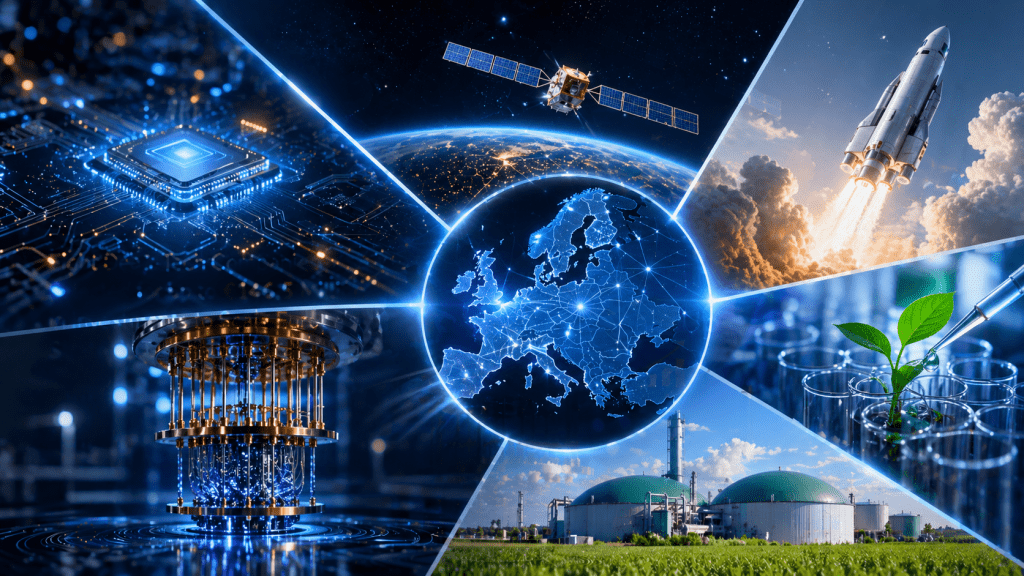
The European Commission has identified eight high-growth technology companies for major equity support through the EIC Strategic Technologies for Europe Platform (STEP) Scale Up initiative. This flagship funding stream will accelerate Europe’s most strategic innovations. The selected companies are currently awaiting due diligence and a final investment decision by the EIC Fund. This program is […]
First non-EU country joins European countries to replace Starlink
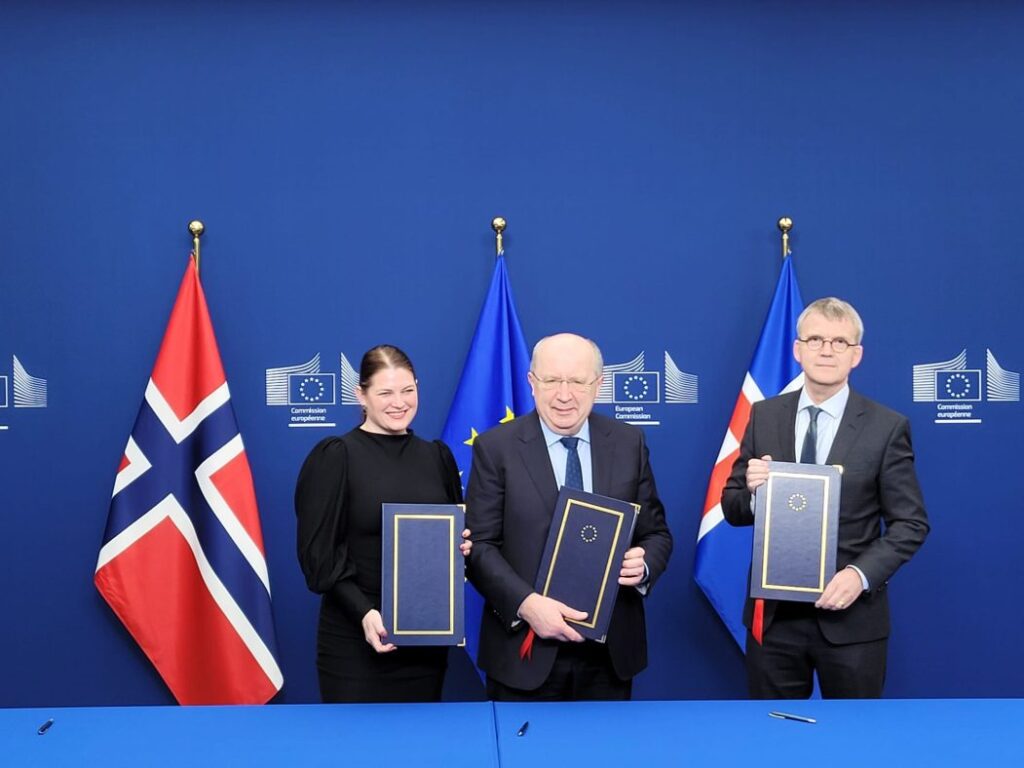
Iceland and Norway have joined IRIS2, the EU’s space-based secure communications initiative that seeks to provide an alternative to Elon Musk’s Starlink. Norway and Iceland both signed participation agreements with EU Space Commissioner Andrius Kubilius in Brussels. Norway and Iceland are expected to contribute approximately €40 million and €3 million respectively to IRIS2 in 2026-2027, […]
A global research partner for Europe’s most pressing challenges
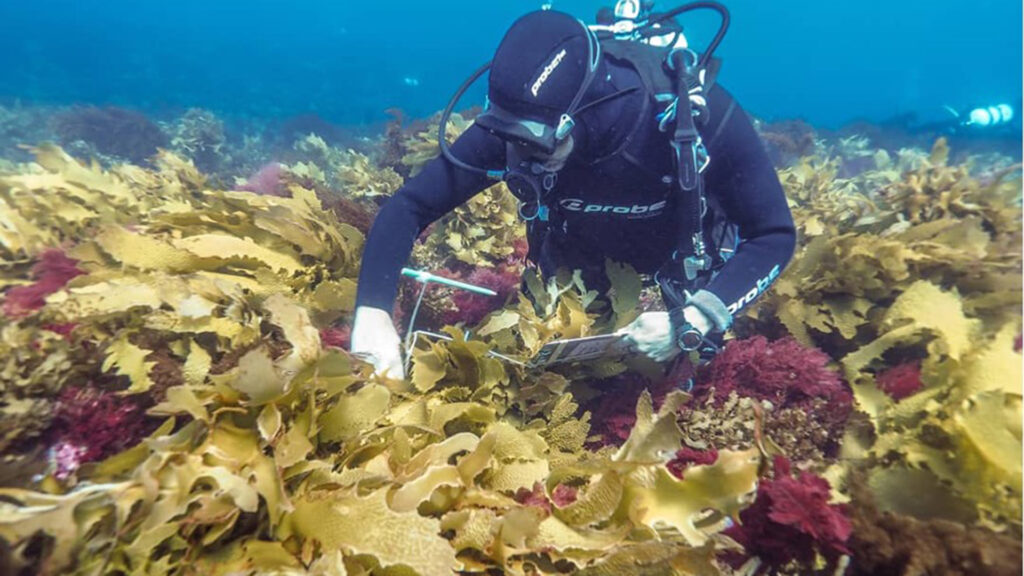
The University of Western Australia (UWA) is tackling global challenges to health, climate change and environmental resilience through collaborative and innovative approaches that leverage advanced technology and partnerships. The University of Western Australia is a research-intensive university with a unique worldview shaped by its location at the crossroads of Europe, the Indo-Pacific and the Indian […]
Estonia digital innovation in high-performance computing
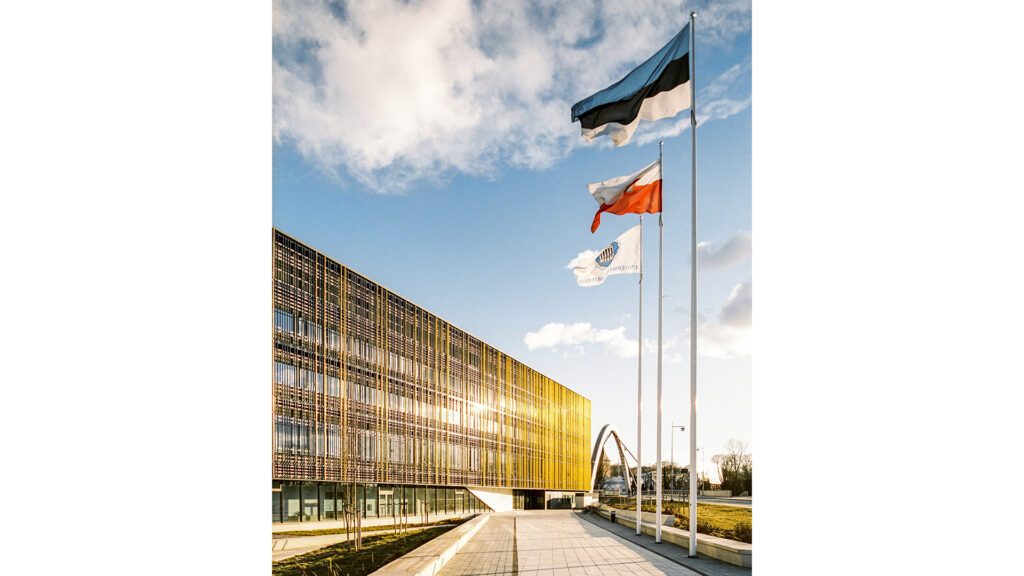
Estonia is considered one of the most advanced digital societies in the world. For further innovation, a carefully developed e-infrastructure must be a central pillar When Estonia’s first computer cluster became available in 2008, its capacity was relatively modest by global standards – 42 Sun Fire nodes with eight cores each, 32 GB of RAM, […]