
Meet Oren Uziel, the mastermind behind Spider Noir and the series whisperer
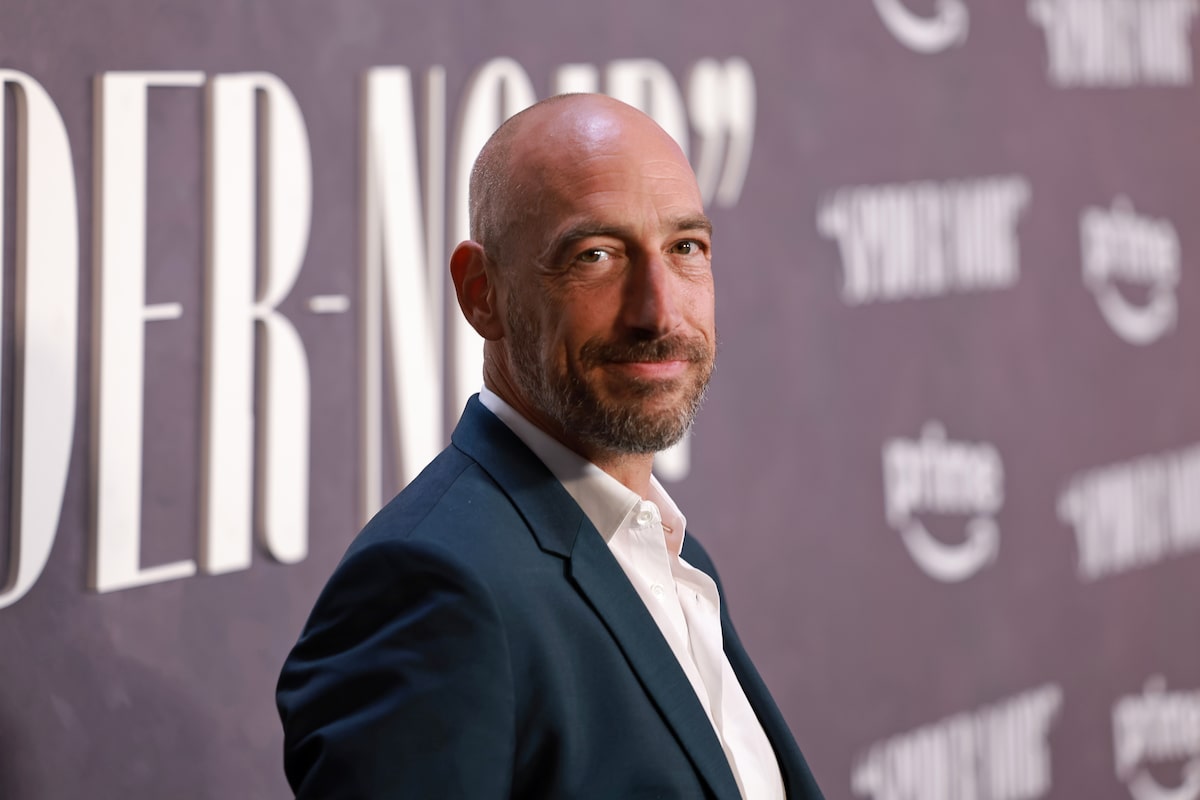
Oren Uziel attended the New York Premiere & Post Reception for “Spider Noir” held in New York City on May 13th.Jason Mendez/Getty Images
It may seem as if every new movie coming out of Hollywood is a franchise, or aspires to be one, but only a select few screenwriters can jump into such epic cinematic universes and come out the other side unscathed. And despite not having a physical fighting vehicle to prove it, Oren Uziel is one of the few proud franchise veterans.
From the “Jump Street” series to short stints in “Mortal Kombat,” “Sonic the Hedgehog,” “Cloverfield,” “Minecraft,” and even “Fast and Furious,” Uziel is now a master of his own world as showrunner of Spider-Noir, a new expansion of Prime Video’s Nicolas Cage-led Spider-Man brand.
Uziel spoke to the Globe and Mail during a visit to the Banff World Media Festival last week and spoke about the vast web he has spun into the industry.
When you were first approached about creating this other chapter of the Spider-Verse, you were already involved in a number of other series. Do you still feel pressure from companies to tell your story and at the same time carry the weight of this brand?
Of course, when you come off Spider-Verse and work with the likes of Phil Lord, Chris Miller, and Amy Pascal, there’s a lot of pressure on them, just as they have done in previous Spider-Man movies. It was a case of “with great power comes great responsibility.” But fortunately, it’s its own beast and they wanted it to be. Nick has played the character in movies before, but this is a completely different version. It was, “Let’s help you tell the story you want to tell,” rather than, “How can we fit the story into other things we’re doing with this series?”
Was your first introduction to the Nic Cage character a movie or a comic book?
Nick’s performance was it for me and he stole the show. But the other thing is, he’s only in these movies for two minutes. So how could we make an eight-episode series out of that particular version? We knew there had to be a real collision between the superhero characters and the noir genre. So there was a lot of talk about Bogart and references to film noir. We were making a Bogart movie, and Bogart happened to be Spider-Man.
Did you create any kind of cinematic syllabus for Cage? What noir did you want him to understand in terms of your inspiration?
It was more of a dialogue. When we sat together for the first time on the first day, I realized that we had the same background when it comes to movies, but his commentary was more encyclopedic and included some foreign language movies that I had never heard of. But we went back and forth on references very quickly: The Third Man, Double Indemnity, L.A. Confidential, Miller’s Crossing. He would come on set every day and discuss very specific references. Sometimes he played a bit of Bogart in The Big Sleep, but today he might be more Edward G. Robinson.
Otherwise, what was the dynamic of working with Nick? He has a very big public persona.
He is incredibly prepared and professional and takes his craft very seriously. His actions, whether big or small, are not random. He’s not going to give you seven different versions and seven different takes. He knows what he wants and will talk about it. We had always planned so there were no surprises.
What is the relationship with Prime Video in this regard? Audiences are now viewing the film series through a harsh corporate lens. I know Disney has the Marvel Cinematic Universe, but Sony has a weird rights-sharing deal with Spider-Man. And now, with Sony not having its own streamer like Disney+, Amazon is entering the fray. Have you found yourself having to negotiate different types of corporate obligations?
We were very fortunate that this was the beginning of this IP in the Amazon world. So we were able to arrive at this IP with a unique idea that they accepted. They weren’t as risk averse as I expected. In fact, they often push things further. We’re not connected to the larger Marvel universe, so you can be as weird as you want. We are not associated with the Disney series of shows with specific expectations.
You’re in Banff for a panel discussion with other showrunners, and I was wondering among all of you if there was a sense of audience fatigue from focusing on IPs and franchises a year or two ago. Do you feel like the playing field has calmed down a bit? Does that mean the show is given more time to breathe and be discovered, even if it’s based on a huge brand?
There are always cycles in the industry, and there have been times when the greatest amount of content was required. People were stuck at home and needed something to look at. Things have calmed down a lot, so now not only writers but networks and studios are a little more cautious about what they want to spend their time on. The same goes for the audience. There’s even more internal pressure to make it as good as possible because you’re being given time and money. It’s your duty and you just have to do your job.
This interview has been edited and condensed.
Source link

