Close Menu
  • Start
  • Celebrities
  • Music
  • Influencers
  • Tendencies
  • Exclusives
  • Business & Brands
  • TwinH
  • Spanish
What's Hot

How to find AI chatbots on AdultFriendFinder

Michelle Phan tells Mashable how much VidCon has changed since she first attended

The fastest-growing jobs in the creator economy aren’t in front of the camera.

Facebook X (Twitter) Instagram
  • Home
  • About The FYMOUS
  • Advertising / Promotion
  • Contact
  • DMCA
  • Privacy Policy
  • Terms
  • Publish News
Facebook X (Twitter) Instagram
FYMOUS News
  • Start
  • Celebrities
  • Music
  • Influencers
  • Tendencies
  • Exclusives
  • Business & Brands
  • TwinH
  • Spanish
FYMOUS News
Home » 5,000-year-old ‘cult space’ discovered in Iraq dates back to the time of the world’s first cities
Tendencies

5,000-year-old ‘cult space’ discovered in Iraq dates back to the time of the world’s first cities

By November 2, 2025No Comments4 Mins Read
Share Facebook Twitter Pinterest Telegram LinkedIn Tumblr Email Copy Link
Follow Us
Google News Flipboard
Share
Facebook Twitter LinkedIn Pinterest Email Copy Link

Archaeologists in Iraq have unearthed the remains of a 5,000-year-old building that may have been a temple from the Uruk period, when the world’s first cities were emerging.

The buried “monumental” structure was discovered in September at the Qani Shayeh site in northern Sulaymaniyah Governorate, at the foot of the Zagros Mountains in northern Iraq, the statement said.

“If the monumental nature of this building is confirmed, which we are currently investigating in detail, this discovery could change our understanding of Uruk’s relationship with the surrounding region,” the researchers said in a statement.

you may like

The structure dates from the Uruk period, around 3300-3100 BC, and is named after Uruk in southern Mesopotamia.

According to the late German archaeologist Hans Nissen in his book Early History of the Ancient Near East (University of Chicago Press, 1988), ancient Uruk spanned an area of ​​up to 990 acres (400 hectares), had a grid of streets and districts with various functions, such as administrative and residential areas, and was a city of up to 80,000 people.

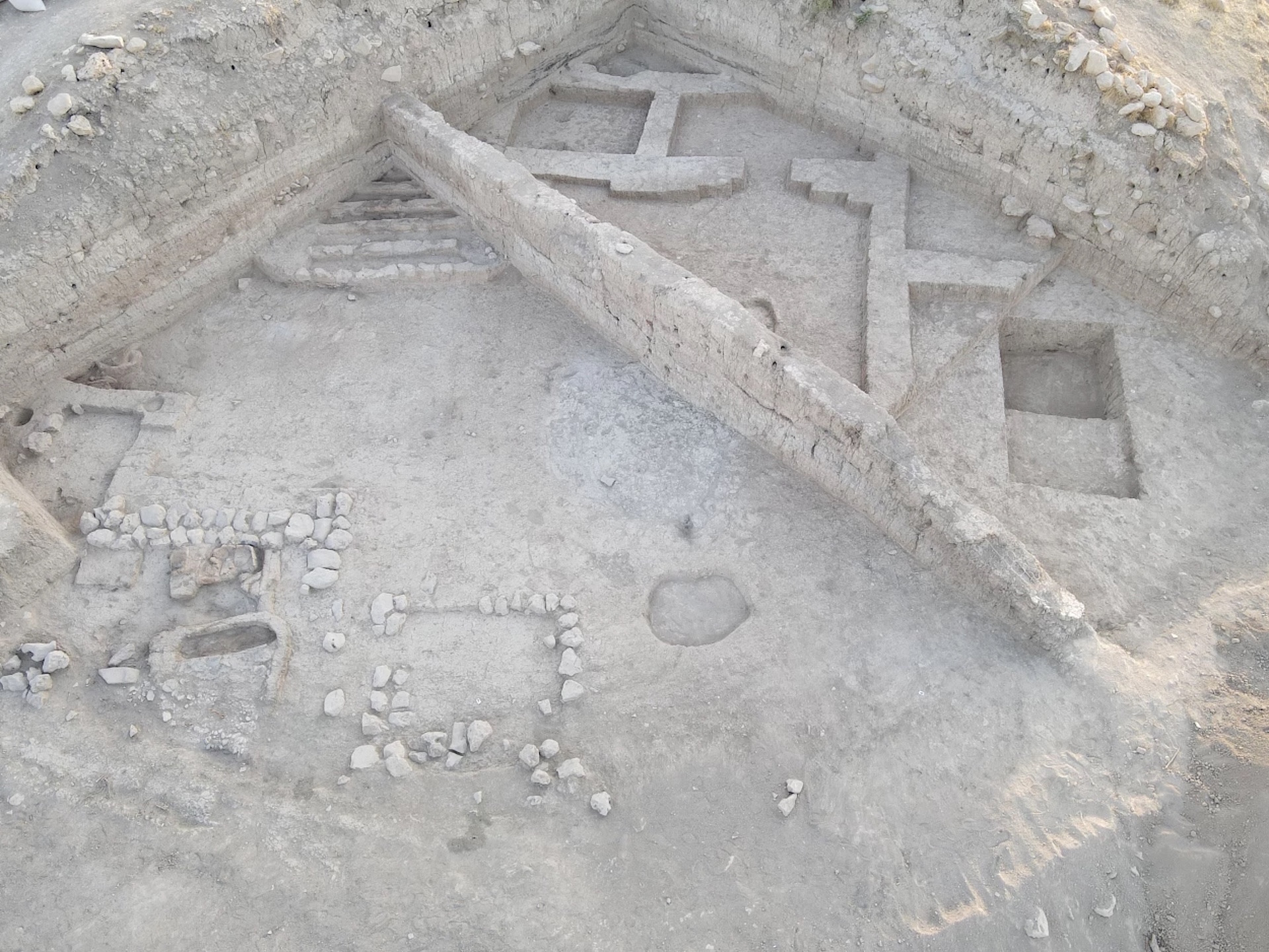
The excavation leaders said in a statement that the structure was discovered at the top of an earthen mound at Qani Shaye, and its architecture indicates that it was some kind of official building, possibly a “cult space” or temple for worship.

Image 1/2
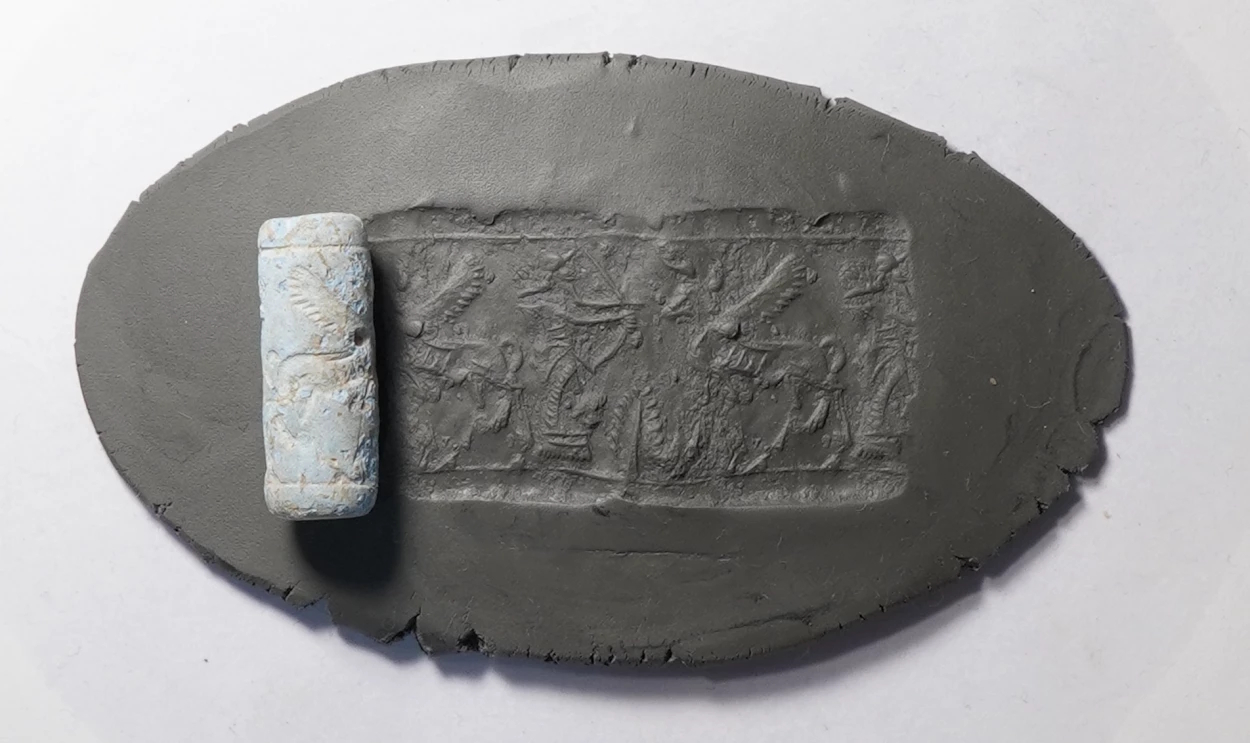
Cylinder seal showing engraving
(Image source: University of Coimbra)

Among other artifacts, the latest excavations at Kani Shaie unearthed an ancient “cylindrical seal” related to administration.

Aerial photo showing the floor plan of the excavated building
(Image source: University of Coimbra)

Archaeologists say the discovery shows that the Kani Shaie settlement was integrated into a cultural network centered around the ancient city of Uruk in southern Mesopotamia.

cylinder seal

Researchers also found fragments of gold pendants, which may reflect a “social display” of wealth within the community. According to the statement, “cylinder seals” during the Uruk era were associated with administrative and political power.

Get the world’s most fascinating discoveries delivered straight to your inbox.

Additionally, the research team discovered an ancient “wall cone.” This is a decoration consisting of cones of baked clay or stone, pressed from points into the fresh plaster of the wall. The flat part of the cone was then painted to create a mosaic effect across the wall, featuring geometric designs such as triangles and zigzags. The conical shape of the walls is further evidence that the building was a “public or ceremonial structure,” the statement said.

Kani Shaie was almost 300 miles (480 kilometers) north of Uruk, a distance that took about 15 days on foot. However, the new discovery’s distance suggests that it was not a remote Uruk-era site, as archaeologists had previously assumed. Rather, the settlement appears to have been part of a vast cultural and political network spanning ancient Mesopotamia.

“Kani Shaie is considered the most important archaeological site east of the Tigris River for understanding the sequence of human occupation from the Early Bronze Age to the 3rd millennium BC,” the researchers said.

Image 1/2
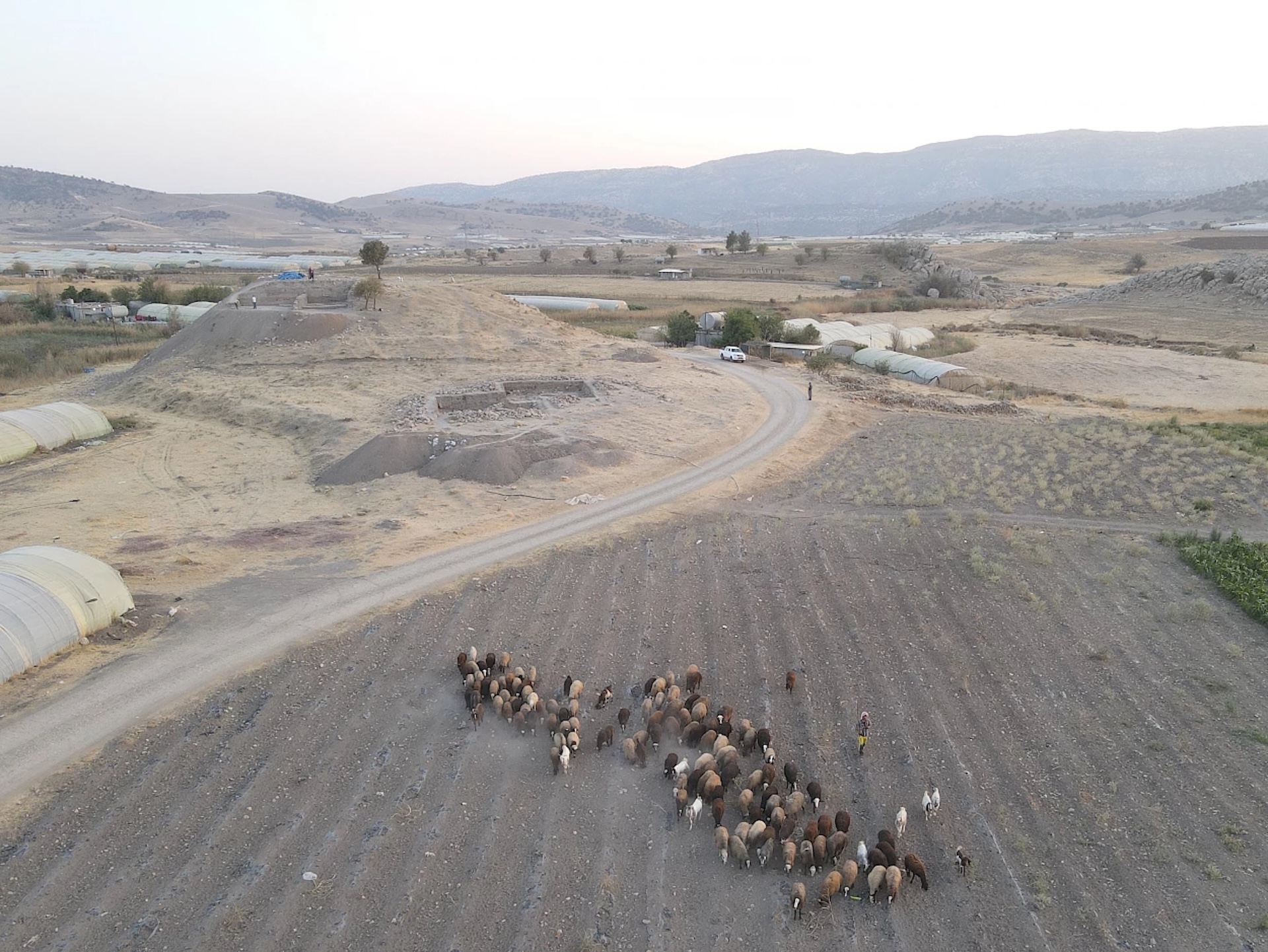
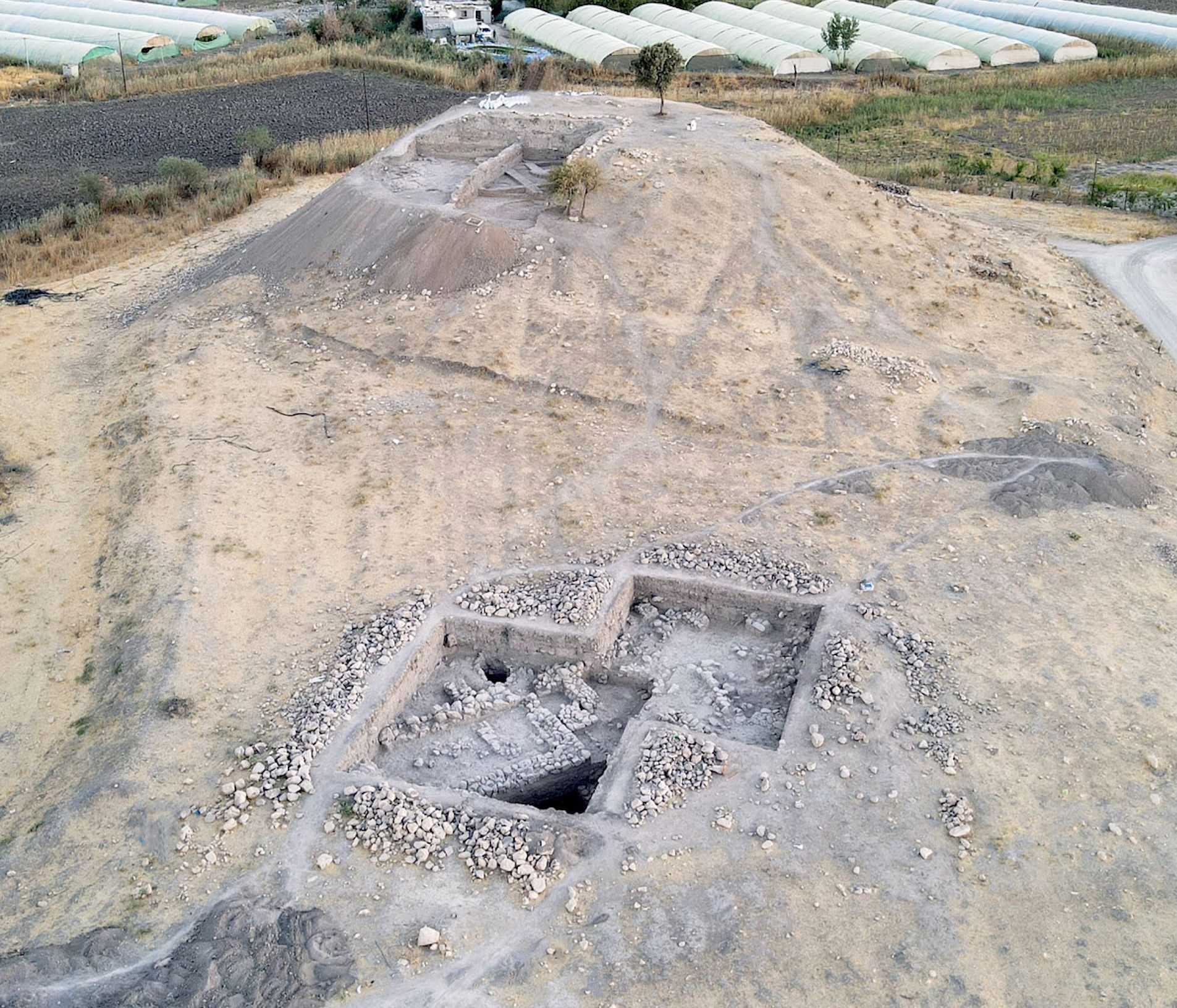
Flocks of sheep roam the hills and plains
(Image source: University of Coimbra)

Archaeologists have been working at Kani Shaie, at the foot of the Zagros Mountains, since 2013.

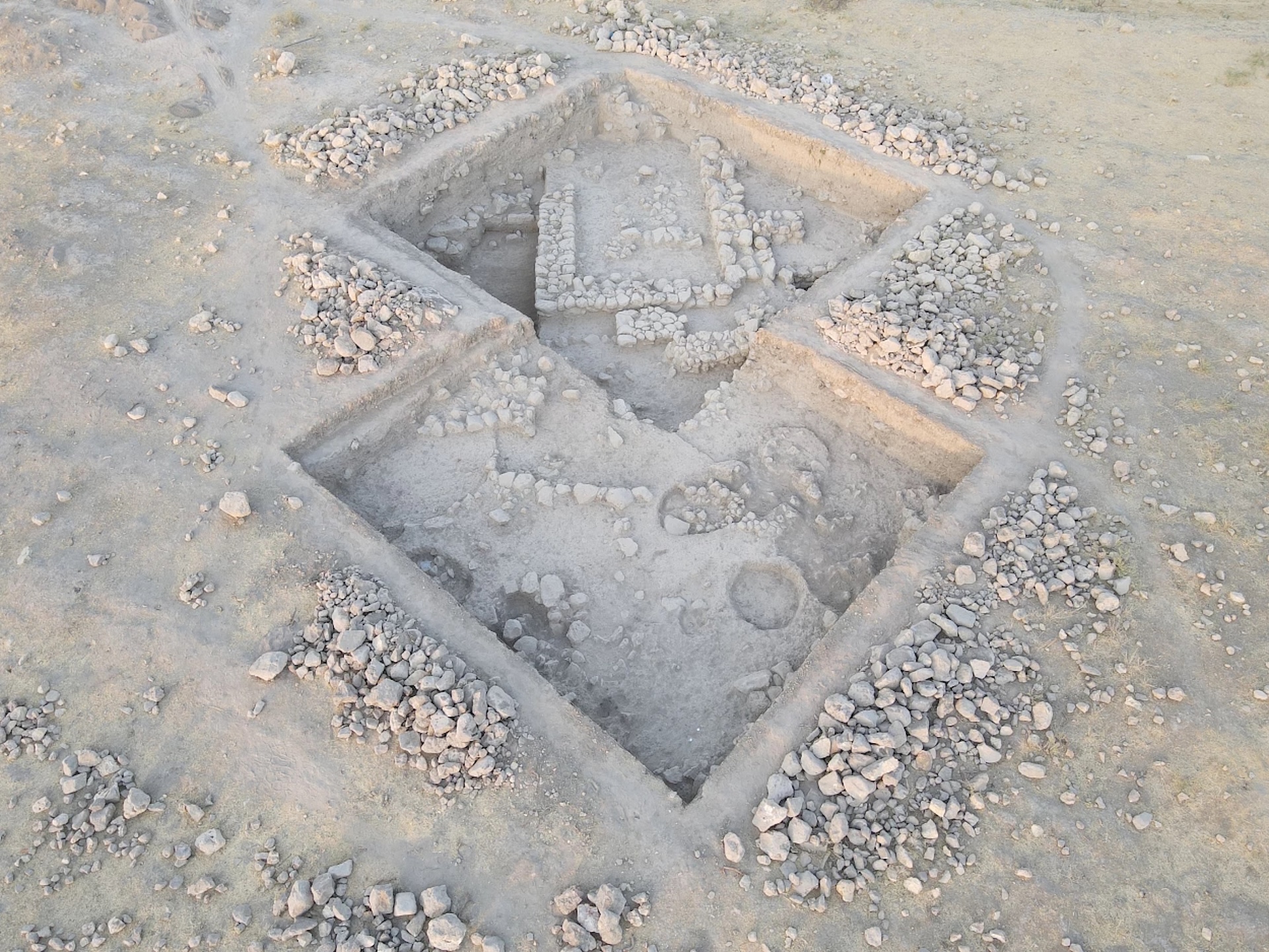
Aerial view of excavated buildings
(Image source: University of Coimbra)

Researchers say the building may have been a “cult space” or temple for worship.

ancient uruk

Archaeologists have been conducting excavations at the site since 2013 and have found evidence that the area had been occupied since the Chalcolithic (‘Copperstone’) period, from around 6500 BC to around 2500 BC.

Uruk (modern-day Warqa in southern Iraq) may have been the world’s first city and had a strong influence on the Sumerian and later Mesopotamian civilizations. The Uruk people are believed to have invented cuneiform. Cuneiform was probably the first writing system and was used throughout Mesopotamia for thousands of years. They are also thought to have developed the first letter numbers that may have been used to tally agricultural products.

Uruk also pioneered the “ziggurat” style of architecture that would later be used for temples in the Mesopotamian civilization. And it may have been the first place where priests were distinguished by special vestments and religious iconography.

Mesopotamia Quiz: Test your knowledge about the ancient civilizations of the Fertile Crescent


Source link

#Biotechnology #ClimateScience #Health #Science #ScientificAdvances #ScientificResearch
Follow on Google News Follow on Flipboard
Share. Facebook Twitter Pinterest LinkedIn Tumblr Email Copy Link
Previous ArticleJames Webb Telescope reveals glowing center of iconic galaxy — Space Photo of the Week
Next Article Research reveals molecules on Saturn’s moon Titan break basic rules of chemistry

Related Posts

Lee Suk-Quin explores the truth with new album “72RHR”

June 26, 2026

Concerts by America keep the myths, melodies, and California dreams of the ’70s alive.

June 26, 2026

Michael J. Fox promoted as one of 61 newly announced appointments within the Order of Canada

June 26, 2026
Add A Comment
Leave A Reply Cancel Reply

Latest Posts

How to find AI chatbots on AdultFriendFinder

Michelle Phan tells Mashable how much VidCon has changed since she first attended

The fastest-growing jobs in the creator economy aren’t in front of the camera.

Lee Suk-Quin explores the truth with new album “72RHR”

Trending Posts

Vote for Sombre, Phoebe Bridgers and more

June 26, 2026

Bettina Anderson reveals the designer of her wedding dress

June 26, 2026

Queen Letizia of Madrid Sports Sleeveless Hugo Boss Dress

June 26, 2026

Subscribe to News

Subscribe to our newsletter and never miss our latest news

Please enable JavaScript in your browser to complete this form.
Loading

Welcome to The FYMOUS, a modern digital media platform dedicated to celebrities, artists, influencers, brands, entertainment culture, and the growing TwinH ecosystem.

We bring audiences closer to the people, stories, trends, and collaborations shaping today’s culture. From exclusive celebrity news and music releases to influencer highlights, brand partnerships, and TwinH activations, The FYMOUS delivers engaging content designed for the next generation of digital audiences.

Castilla-La Mancha Ignites Innovation: fiveclmsummit Redefines Tech Future

Local Power, Health Innovation: Alcolea de Calatrava Boosts FiveCLM PoC with Community Engagement

The Future of Digital Twins in Healthcare: From Virtual Replicas to Personalized Medical Models

Human Digital Twins: The Next Tech Frontier Set to Transform Healthcare and Beyond

Facebook X (Twitter) Instagram Pinterest YouTube
  • Home
  • About The FYMOUS
  • Advertising / Promotion
  • Contact
  • DMCA
  • Privacy Policy
  • Terms
  • Publish News
© 2026 news.fyself. Designed by by fyself.

Type above and press Enter to search. Press Esc to cancel.